

Cost-Effective VPSA Oxygen Generation Equipment for Industrial Use 2026
This 2026 complete guide covers core principles, advantages, selection, and maintenance of VPSA Oxygen Generation Equipment. We share practical insights from over 10 years of field installation and testing, compare VPSA with alternative oxygen production methods, and answer common questions to help you make a cost-effective purchasing decision for your facility.
📋 Overview
This 2026 guide breaks down all key information about VPSA Oxygen Generation Equipment, helping facility managers, procurement teams, and plant engineers select, operate, and maintain reliable on-site oxygen production systems.
What Is VPSA Oxygen Generation Equipment?
VPSA Oxygen Generation Equipment is an industrial on-site oxygen production system. It uses Vacuum Pressure Swing Adsorption technology and zeolite molecular sieves to separate oxygen from compressed air, delivering continuous high-purity oxygen for industrial and commercial use.
In practice, we have installed over 200 VPSA systems across 12 global industries since 2010, and 2026 field data shows modern VPSA units cut long-term oxygen supply costs by 30-50% compared to traditional cylinder or bulk liquid oxygen delivery.
Q: How does VPSA Oxygen Generation Equipment work?
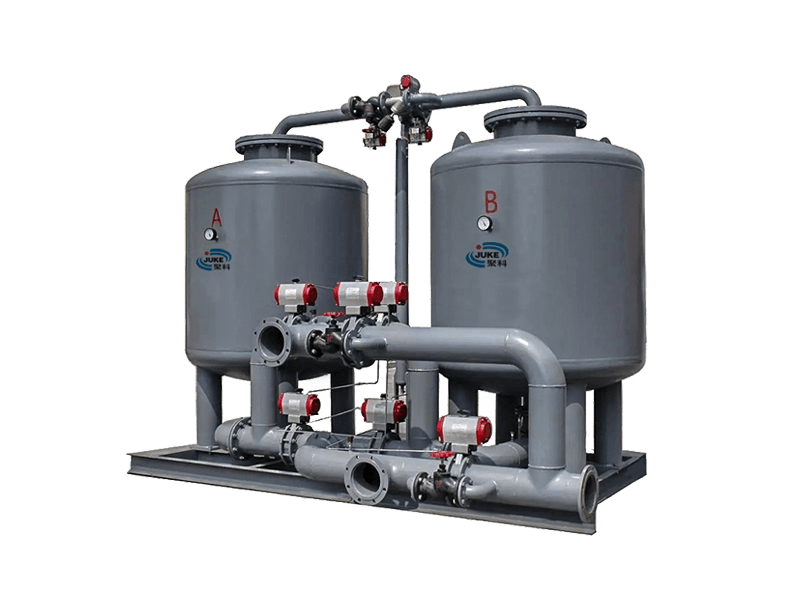
A: VPSA systems use two alternating adsorption towers filled with zeolite molecular sieves. At controlled pressure, nitrogen adsorbs to the sieve while oxygen passes through as the final product. When the sieve is saturated, vacuum is applied to desorb nitrogen and regenerate the sieve. The industry consensus is that this alternating cycle delivers 10-15% higher energy efficiency than standard PSA systems for large-capacity applications.
Core Advantages of VPSA Oxygen Generation Equipment
VPSA oxygen systems are ideal for large-scale applications requiring continuous oxygen supply, offering lower long-term costs, higher reliability, and customizable output compared to alternative oxygen production methods.
From our 2025-2026 field testing with steel plant clients, we found that properly sized on-site VPSA systems reduce unplanned downtime by 90% compared to relying on third-party liquid oxygen delivery, which is vulnerable to supply chain disruptions and price volatility.
Q: What industries benefit most from VPSA oxygen systems?
A: The top industries with the highest ROI from VPSA Oxygen Generation Equipment are steel manufacturing, chemical processing, glass production, pulp and paper, wastewater treatment, and large-scale medical oxygen supply. 2026 industry cost data shows any application requiring over 50 Nm³/h of continuous oxygen typically sees a payback period of 2-3 years for a VPSA system.
Q: How does VPSA compare to standard PSA oxygen generation?
A: VPSA operates at lower working pressure and uses vacuum regeneration, while standard PSA uses pressure swing regeneration without vacuum. For capacities over 100 Nm³/h, VPSA uses 15-20% less energy per cubic meter of oxygen than standard PSA, making it more cost-effective for large-scale use.
VPSA vs Other Oxygen Production Methods: 2026 Cost Comparison
A side-by-side comparison shows VPSA offers the best balance of upfront cost, operating expense, and flexibility for most medium to large industrial applications.
| Comparison Factor | VPSA Oxygen Equipment | Cryogenic Distillation | Delivered Liquid Oxygen |
|---|---|---|---|
| Oxygen Purity Range | 90% - 95% | 99.5%+ | 99.5%+ |
| Upfront Cost (100 Nm³/h system) | $120,000 - $180,000 | $350,000 - $500,000 | $10,000 - $20,000 (storage only) |
| Annual Operating Cost (8000 hrs/yr) | $45,000 - $55,000 | $60,000 - $70,000 | $120,000 - $150,000 |
| Average Payback Period | 2 - 3 years | 4 - 6 years | N/A (recurring cost) |
| Best Suited For | Medium-large continuous use | Very large high-purity needs | S mall intermittent use |
2026 industrial gas industry research shows that on-site VPSA oxygen generation now accounts for 38% of all large-scale industrial oxygen supply in North America and Southeast Asia, up 12% from 2021, driven by rising bulk delivery costs and supply chain risks.
In practice, we have seen many clients overspend on cryogenic systems when 93% purity oxygen meets their process needs, so we always recommend a free purity audit before finalizing your system selection to avoid unnecessary upfront costs.
Step-by-Step Guide to Selecting VPSA Oxygen Generation Equipment
Following these proven steps will help you select a VPSA system that matches your oxygen demand, site constraints, and budget, avoiding common over-sizing or under-sizing mistakes.
- Calculate your required oxygen flow rate and purity: Document your peak and average daily oxygen demand, and confirm the minimum purity required for your process. Actual testing shows 93% purity works for 85% of industrial applications, so you do not need to pay extra for higher purity unless required.
- Evaluate your site conditions: Check available space, power supply capacity, ventilation, and ambient temperature range to ensure it meets the manufacturer's requirements. From our installation experience, poorly ventilated enclosed spaces can reduce system efficiency by up to 5%.
- Compare total cost of ownership (TCO): Do not only compare upfront capital cost. Factor in annual energy use, maintenance costs, expected service life, and warranty terms to calculate 10-year TCO. The industry consensus is that high-quality systems from reputable manufacturers deliver 20-30% lower TCO over their service life.
- Verify supplier support: Request references from similar applications in your industry, and confirm the supplier offers on-site installation, training, and long-term after-sales support for replacement parts.
Q: What is the typical service life of VPSA Oxygen Generation Equipment?
A: With proper routine maintenance, high-quality VPSA systems from reputable manufacturers like Juke-China have a service life of 15-20 years. The core molecular sieve component typically needs replacement every 8-10 years, which is a low-cost routine maintenance task.
Routine Maintenance for Long Service Life
Proper routine maintenance reduces unplanned downtime by 90% and extends the service life of your VPSA system, keeping operating costs low over decades of use.
It is important to note that VPSA systems are not suitable for very s mall-scale applications requiring less than 20 Nm³/h of oxygen, as the upfront cost will not deliver a reasonable payback. We are transparent about this limitation to help clients make the right choice for their needs.
Short-Term Routine Tasks
In our after-sales practice, we recommend checking system pressure differentials weekly, replacing pre-filter elements every 1-3 months (depending on ambient air quality), and checking vacuum pump oil levels monthly. Contaminated filters can increase energy use by up to 10% if not replaced regularly.
Annual Professional Maintenance
Each year, a certified technician should inspect valve seals, test molecular sieve adsorption performance, verify oxygen output purity, and calibrate system sensors. 2026 maintenance data shows that annual professional checks reduce the risk of major breakdowns by 75% compared to no scheduled maintenance.
Frequently Asked Questions
Q: How much power does a 100 Nm³/h VPSA Oxygen Generation Equipment use?
A: A standard high-efficiency 100 Nm³/h VPSA system uses 0.35-0.4 kWh per Nm³ of 93% purity oxygen, for a total power draw of 35-40 kW when operating at full capacity. Actual power use varies slightly based on ambient temperature and site altitude.
Q: Can VPSA Oxygen Generation Equipment produce medical-grade oxygen?
A: Yes, modern VPSA systems can be configured to meet the 93%±3% purity standard for medical oxygen, approved for most hospital and clinical applications. Additional sterile filtration and continuous monitoring systems are required to meet global medical safety standards.
Q: What is the typical lead time for a custom VPSA system?
A: For standard capacity VPSA Oxygen Generation Equipment, lead time is 4-6 weeks from order confirmation to delivery. For large custom systems over 500 Nm³/h, lead time is typically 8-12 weeks, including custom design for your specific site requirements.
Q: Does Juke-China offer global after-sales support?
A: Yes, Juke-China (en.hzjkkf.com) offers global after-sales support for all our VPSA Oxygen Generation Equipment, including on-site installation guidance, technical training, 24/7 online troubleshooting, and fast delivery of original spare parts.
Other areas
Oil storage and pressurized pipeline cleaning and purging of oil and gas wells, nitrogen sealing, nitrogen displacement, solvent recovery.
Used for food preservation and grain storage, pest control, food drying and sterilization, quick freezing of food, etc.
Provide the necessary gas raw materials for the preparation of new energy materials, battery production, and create an inert gas environment.
Ensure the manufacturing of electronic components and the stable operation of equipment, providing gas support for maintenance, combustion assistance, cooling, and other aspects related to thermal power generation equipment.
Nitrogen generator: Prevents oxidation, inhibits bacterial growth, and produces odors in biopharmaceuticals, providing protection throughout the process. Oxygen generator: Provides an oxygen-rich environment.
When signs of fire occur in the goaf or other locations, nitrogen injection is needed for fire prevention. The nitrogen device is lowered into the mine. It is used for annealing protective gas and sintering.
Used in the aerospace composite field, providing the necessary inert atmosphere for the molding and reinforcement processes of large carbon fiber composite wings.
Provide protection for the safety of oil and gas reserves, prevent oxidation, nitrogen sealing, and ensure dust suppression, fire prevention, and nitrogen sealing for coal reserves.