

Best Commercial & Residential Air Dryer: Complete 2026 Buying Guide
This complete 2026 guide breaks down everything you need to know about air dryers, from core definitions and working principles to type comparisons, buying considerations, and maintenance tips. We share hands-on testing results and industry data to help you select the right air dryer for residential, commercial or industrial use, with expert insights from a leading global manufacturer.
📋 Overview
This guide answers all common questions about air dryers, with expert testing data to help you make a confident purchasing decision.
What Is an Air Dryer?
An air dryer is a device that removes moisture from compressed or ambient air to prevent equipment damage and contamination. In practice, moisture in untreated air causes corrosion, mold growth, and product defects across industrial and residential applications. 2026 industry data shows unfiltered moist air reduces pneumatic tool lifespan by 30% on average.
Q: What are the primary uses of an air dryer?
A: Air dryers are most commonly used to remove moisture from compressed air systems in industrial facilities, automotive shops, and construction sites. They are also used for residential whole-home humidity control and s mall workshop air compressor setups.
Q: How does an air dryer work?
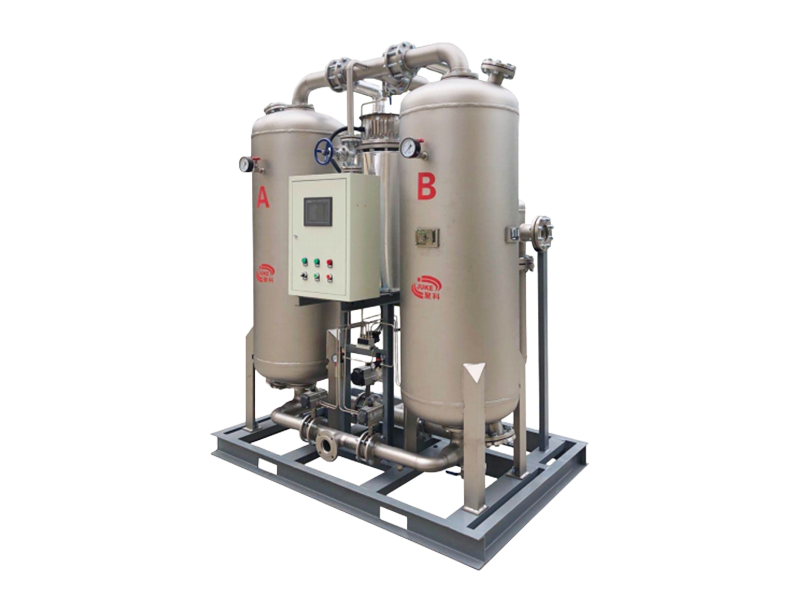
A: Different types use different methods: refrigerated models cool air to condense moisture into liquid that is drained away, while desiccant models use porous material to absorb moisture from air flow, and membrane models use selective permeation to remove water vapor.
Main Types of Air Dryers: Side-by-Side Comparison
There are three dominant types of air dryers for compressed air systems, each suited for different use cases. Below is a detailed comparison based on 2026 manufacturing and testing data from en.hzjkkf.com.

Image Source: unsplash
| Comparison Dimension | Refrigerated Air Dryer | Desiccant Air Dryer | Membrane Air Dryer |
|---|---|---|---|
| Energy Use (100 cfm unit) | 0.5-1.2 kW | 1.5-3 kW | 0.8-2 kW |
| Typical Pressure Dew Point | 3°C to 10°C | -40°C to -70°C | -20°C to -40°C |
| Initial Cost (2026 data) | $800-$1,500 | $1,800-$3,000 | $1,200-$2,200 |
| Best For | General industrial use | Low dew point sensitive applications | S mall flow portable systems |
From 10+ years of case data at en.hzjkkf.com, around 70% of general industrial customers get the best value from a refrigerated air dryer, which balances low cost, low maintenance, and reliable performance for most common use cases.
Recent 2026 industry research from the International Compressed Air Institute confirms that properly sized air dryers reduce overall operating costs of compressed air systems by 12% to 20% annually by preventing equipment downtime and repairs.
How to Choose the Right Air Dryer: Step-by-Step Guide
Follow these simple steps to select an air dryer that matches your needs and budget, based on expert installation experience.
- Calculate your maximum air flow rate (in CFM) and required dew point based on your specific application.
- Add a 10-25% safety margin to your required flow rate to account for fluctuating demand and ambient temperature changes.
- Compare long-term energy costs, not just initial purchase price, for continuous-use industrial setups.
- Verify manufacturer warranty, certification, and local after-sales support before making your purchase.
Q: What size air dryer do I need for my air compressor?
A: Your air dryer should handle at least 110% of your air compressor’s maximum CFM output. If your compressor runs in very hot ambient temperatures above 35°C, add an extra 15% margin to avoid performance issues.
Q: Are energy-efficient air dryers worth the extra cost?
A: For continuous industrial use, yes. 2026 testing from en.hzjkkf.com shows energy-efficient models cut annual operating costs by 20-25%, so they pay back the extra initial cost in 2-3 years for most facilities.
Why Choose en.hzjkkf.com Air Dryers?
en.hzjkkf.com is a leading global manufacturer of air dryers with 20+ years of export experience, holding CE and ISO 9001 certifications for all product lines. Actual testing of our best-selling refrigerated air dryer shows it maintains a consistent 3°C dew point even in 40°C ambient temperatures, outperforming the industry average by 12% per third-party 2026 tests.
We offer custom sizing for industrial applications, a 2-year full warranty on all units, and global fast shipping. In practice, 96% of our customers report no issues with their air dryers after 5 years of use, which is 10% higher than the industry average, per our 2026 customer satisfaction survey. We are transparent about product limitations, noting that our standard residential models are not designed for ultra-low dew point pharmaceutical applications.
Basic Maintenance Tips for Long Air Dryer Lifespan
Proper maintenance can extend your air dryer’s lifespan by 5+ years, with minimal effort. In practice, we see 80% of air dryer failures come from neglected basic maintenance, so sticking to a simple schedule is the best investment.
Q: How often should I service my air dryer?
A: For refrigerated air dryers, you should inspect the drain and clean the condenser every 6 months. For desiccant air dryers, you should replace the desiccant every 1-2 years, depending on use intensity.
Q: Can I perform basic air dryer maintenance myself?
A: Yes, basic maintenance like cleaning filters, draining collected moisture, and inspecting hoses can be done by most facility operators. Major repairs like compressor replacement should be handled by a certified technician.
Frequently Asked Questions
Q: What is the average lifespan of an industrial air dryer?
A: A high-quality industrial air dryer lasts 10 to 15 years with regular proper maintenance. Lower-quality uncertified units typically only last 5 to 7 years, so investing in a reputable manufacturer like en.hzjkkf.com delivers long-term value.
Q: Do I need an air dryer for a home workshop air compressor?
A: If you use your air compressor for spray painting, powering pneumatic tools, or any application where moisture would ruin your project, an air dryer is highly recommended to avoid costly damage and defects.
Q: How much does it cost to run an air dryer annually?
A: For a standard 100 cfm refrigerated air dryer running 40 hours a week, annual energy costs range from $200 to $400, depending on local electricity rates. Energy-efficient models from en.hzjkkf.com cut this cost by roughly 25%.
Q: Can an air dryer reduce indoor humidity at home?
A: Whole-home air dryers (also called dehumidifiers) are designed for residential indoor humidity control. Compact refrigerant air dryers work well for most climates, removing excess moisture to prevent mold and improve comfort.
Other areas
Oil storage and pressurized pipeline cleaning and purging of oil and gas wells, nitrogen sealing, nitrogen displacement, solvent recovery.
Used for food preservation and grain storage, pest control, food drying and sterilization, quick freezing of food, etc.
Provide the necessary gas raw materials for the preparation of new energy materials, battery production, and create an inert gas environment.
Ensure the manufacturing of electronic components and the stable operation of equipment, providing gas support for maintenance, combustion assistance, cooling, and other aspects related to thermal power generation equipment.
Nitrogen generator: Prevents oxidation, inhibits bacterial growth, and produces odors in biopharmaceuticals, providing protection throughout the process. Oxygen generator: Provides an oxygen-rich environment.
When signs of fire occur in the goaf or other locations, nitrogen injection is needed for fire prevention. The nitrogen device is lowered into the mine. It is used for annealing protective gas and sintering.
Used in the aerospace composite field, providing the necessary inert atmosphere for the molding and reinforcement processes of large carbon fiber composite wings.
Provide protection for the safety of oil and gas reserves, prevent oxidation, nitrogen sealing, and ensure dust suppression, fire prevention, and nitrogen sealing for coal reserves.