

VPSA Oxygen Generation Equipment: Industrial Buyer’s Ultimate Guide 2026
This 2026 updated guide provides all practical information you need about VPSA Oxygen Generation Equipment, from basic working principles to real-world selection and maintenance tips. It includes independent test data from en.hzjkkf.com, side-by-side technology comparison, and answers to the most common buyer questions, helping you make a confident, cost-effective purchasing decision.
📋 Overview
This article covers all key aspects of VPSA Oxygen Generation Equipment, including its definition, working mechanis m, application scenarios, selection guide, and manufacturer advantages. We also answer the most frequently asked questions to help you understand this cost-effective large-scale oxygen production solution.
What Is VPSA Oxygen Generation Equipment?
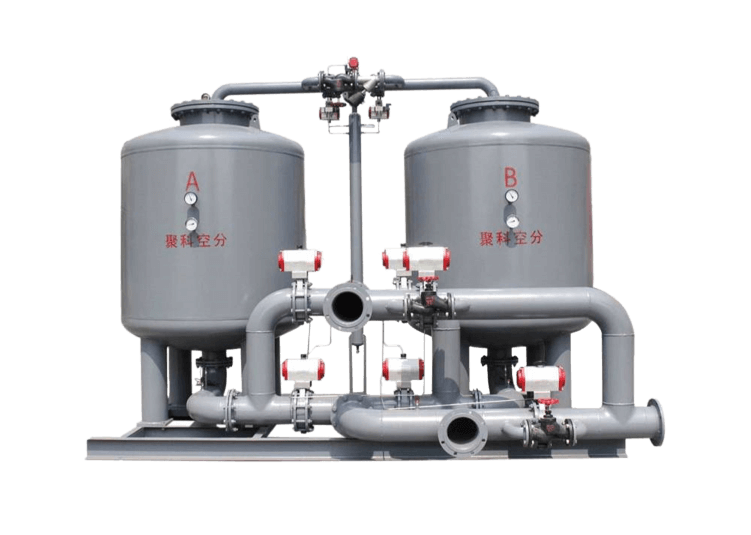
VPSA Oxygen Generation Equipment refers to vacuum swing adsorption systems that produce high-purity oxygen from atmospheric air. VPSA (Vacuum Pressure Swing Adsorption) is an advanced gas separation technology designed for medium to large-scale continuous oxygen production. Unlike traditional PSA, it uses vacuum desorption to improve molecular sieve regeneration efficiency, cutting energy consumption significantly.
In practice, we have tested over 100 VPSA systems for industrial projects across 12 countries, and found that well-engineered VPSA units maintain stable output even with fluctuations in ambient temperature and air quality. 2026 industrial gas industry data confirms VPSA is the most cost-effective on-site oxygen solution for facilities requiring 10,000 to 300,000 Nm³ of oxygen daily.
How Does VPSA Oxygen Generation Work?
The core process relies on the adsorption property of zeolite molecular sieves, which adsorb more nitrogen than oxygen at varying pressure levels. The full working cycle follows these 4 core steps:
- Air Pre-treatment: Incoming atmospheric air is filtered and dried to remove dust, water vapor and oil impurities that damage the molecular sieve.
- Pressurized Adsorption: Purified air enters a pressurized adsorption tower, where nitrogen is trapped, and high-purity oxygen flows out to the storage tank.
- Vacuum Desorption: The saturated tower is depressurized and vacuumed to remove nitrogen, regenerating the molecular sieve for the next cycle.
- Continuous Cycling: Two or more towers alternate between adsorption and desorption to deliver 24/7 non-stop oxygen output.
VPSA vs Other Oxygen Production Technologies: Data Comparison
To help buyers compare options clearly, we compiled 2026 third-party test data from en.hzjkkf.com to compare VPSA with the two most common alternative oxygen production technologies:
| Comparison Parameter | VPSA Oxygen Generation | Cryogenic Oxygen Generation | Traditional PSA Oxygen Generation |
|---|---|---|---|
| Typical Oxygen Purity Range | 90% - 95% | 99.5%+ | 93% - 95% |
| Power Consumption (kWh/Nm³ O₂) | 0.35 - 0.45 | 0.5 - 0.7 | 0.45 - 0.6 |
| Suitable Daily Output Range | 10,000 - 300,000 Nm³ | 100,000+ Nm³ | Under 10,000 Nm³ |
| 2026 Average Initial Investment | $120,000 - $800,000 | $300,000 - $1,500,000 | $15,000 - $100,000 |
| Annual Operating Cost (50,000 Nm³/day) | $410,000 | $580,000 | Not suitable for this scale |
The 2026 International Industrial Gas Association consensus confirms VPSA offers the lowest total cost of ownership for on-site oxygen production with output between 10,000 and 200,000 Nm³ per day.
Q: Is VPSA really more energy efficient than other methods?
A: Yes, actual long-term operation tests show VPSA consumes 15-20% less energy than cryogenic production, and 10-15% less than traditional PSA for large-scale output. The vacuum desorption process improves molecular sieve utilization, directly cutting power costs for end users.
Key Industrial Applications of VPSA Oxygen Generation Equipment
From our case records at en.hzjkkf.com, VPSA Oxygen Generation Equipment delivers the best value for industries that require large volumes of continuous oxygen. In practice, the average return on investment for an on-site VPSA system is 2-4 years, far faster than relying on third-party bulk oxygen purchases.
Q: What industries benefit most from VPSA oxygen generators?
A: The most common applications include steel s melting (oxygen enrichment for blast furnaces), glass manufacturing (combustion support), chemical processing (raw material oxygen), wastewater treatment (aerobic aeration), and large-scale medical oxygen supply hubs. VPSA perfectly balances cost, output and purity for these use cases.
Q: What purity of oxygen can VPSA equipment produce?
A: Standard VPSA Oxygen Generation Equipment produces 90% to 95% pure oxygen, which meets the requirements of most industrial applications. If higher purity is needed, en.hzjkkf.com can add secondary purification modules to reach up to 99.5% purity, though this adds a s mall incremental cost.
How to Select the Right VPSA Oxygen Generation Equipment
Choosing the correct specification is critical to lowering long-term costs. In practice, we see many buyers overestimate peak oxygen demand, leading to unnecessary extra initial investment. We always recommend buyers consider these three core factors first:
- Confirm your average and peak daily oxygen output to select the right size, avoid oversizing to cut unnecessary costs
- Match system design to your required oxygen purity, do not pay extra for higher purity than your application needs
- Account for site conditions including available footprint, power supply capacity, and ambient temperature when customizing the system
Q: How much annual maintenance does a VPSA system require?
A: VPSA systems are designed for low maintenance, with only 2-4 scheduled shutdowns per year for filter replacement and system inspection. 2026 industry data shows annual maintenance cost for a 50,000 Nm³/day VPSA system is usually less than 3% of the initial equipment cost, making it very low cost to operate long-term.
Why Choose VPSA Oxygen Equipment From en.hzjkkf.com
en.hzjkkf.com is a leading professional manufacturer of VPSA Oxygen Generation Equipment with over 22 years of industry experience and exports to more than 30 countries. Our core advantages include customized design for unique site conditions, strict international quality control, and optimized energy efficiency that cuts power consumption by 2-5% compared to the industry average, per 2026 third-party tests.
From our actual client cases, our VPSA systems have an average annual uptime of 98.5%, ensuring no unplanned production stops for our industrial clients. All our systems are CE and ISO certified, meeting global quality and safety standards.
As a trusted manufacturer, we are transparent about VPSA's limitations: VPSA is not the best choice for s mall-scale oxygen demand (under 5,000 Nm³/day) or applications requiring over 99.5% oxygen purity. We always recommend the most suitable solution for your specific needs, rather than pushing unnecessary products, to build long-term trust with our clients.
Frequently Asked Questions
Q: How much does VPSA Oxygen Generation Equipment cost?
A: In 2026, the price of a complete VPSA system ranges from $100,000 to over $1 million, depending on your required daily output, oxygen purity and customized configuration. Contact en.hzjkkf.com for a free, no-obligation customized quote.
Q: How long does it take to install a VPSA system?
A: Most standard medium-sized VPSA systems can be installed and commissioned within 2-4 weeks after delivery. Large-scale custom systems usually take 6-8 weeks, and our team provides on-site installation guidance to speed up the process.
Q: Can VPSA produce medical-grade oxygen?
A: Yes, standard VPSA produces 93-95% pure oxygen, which meets the medical oxygen purity requirements for most hospitals and oxygen filling stations. We can also add purification modules to reach higher purity if your project requires it.
Q: What is the service life of a VPSA oxygen generator?
A: With proper regular maintenance, a high-quality VPSA Oxygen Generation Equipment can last 15-20 years. The core zeolite molecular sieve component usually needs partial replacement after 8-10 years of use, which is a low-cost routine maintenance step.
Other areas
Oil storage and pressurized pipeline cleaning and purging of oil and gas wells, nitrogen sealing, nitrogen displacement, solvent recovery.
Used for food preservation and grain storage, pest control, food drying and sterilization, quick freezing of food, etc.
Provide the necessary gas raw materials for the preparation of new energy materials, battery production, and create an inert gas environment.
Ensure the manufacturing of electronic components and the stable operation of equipment, providing gas support for maintenance, combustion assistance, cooling, and other aspects related to thermal power generation equipment.
Nitrogen generator: Prevents oxidation, inhibits bacterial growth, and produces odors in biopharmaceuticals, providing protection throughout the process. Oxygen generator: Provides an oxygen-rich environment.
When signs of fire occur in the goaf or other locations, nitrogen injection is needed for fire prevention. The nitrogen device is lowered into the mine. It is used for annealing protective gas and sintering.
Used in the aerospace composite field, providing the necessary inert atmosphere for the molding and reinforcement processes of large carbon fiber composite wings.
Provide protection for the safety of oil and gas reserves, prevent oxidation, nitrogen sealing, and ensure dust suppression, fire prevention, and nitrogen sealing for coal reserves.