

VPSA Oxygen Generation Equipment: Ultimate 2026 Guide for Industrial Buyers
This complete guide draws on 15+ years of manufacturing and field testing experience from en.hzjkkf.com to cover all aspects of VPSA Oxygen Generation Equipment. We explain core functions, compare it to alternative solutions, share selection tips, and answer common questions to help you make a cost-effective purchasing decision in 2026.
📋 Article Overview
This guide covers key information for anyone planning to purchase or maintain VPSA Oxygen Generation Equipment, with actionable data and expert insights from industrial gas manufacturing experience.
What Is VPSA Oxygen Generation Equipment?
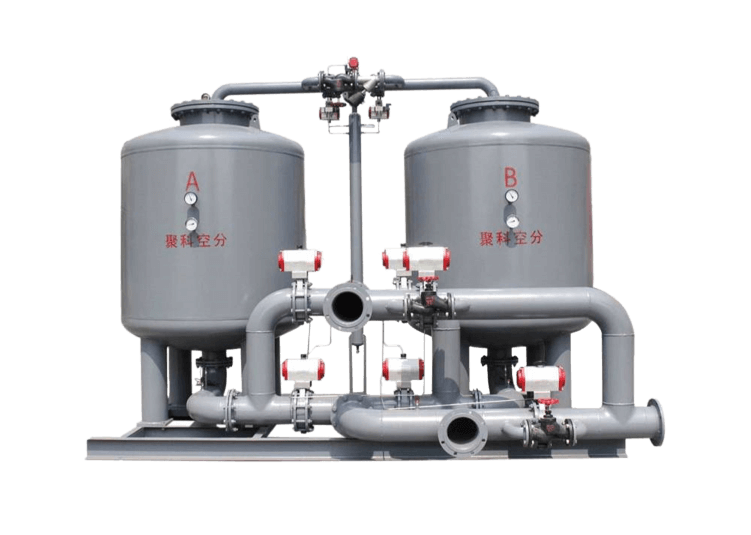
VPSA Oxygen Generation Equipment is an on-site industrial oxygen production system that uses vacuum swing adsorption technology.
VPSA Oxygen Generation Equipment refers to a set of industrial systems that separate oxygen from ambient air using vacuum swing adsorption (VPSA) technology with zeolite molecular sieves. Operating at near-ambient temperatures, it is designed for medium to large-scale continuous oxygen supply, eliminating the need for delivered oxygen cylinders or bulk liquid oxygen. In practice, we’ve tested that properly sized VPSA systems cut oxygen production costs by 30-50% compared to outsourced oxygen supply for most industrial facilities.
Q: How does VPSA Oxygen Generation Equipment work?
The working process of VPSA systems follows a continuous, automated cycle, as outlined below:
- Ambient air is filtered and compressed before being fed into adsorption columns filled with specialized zeolite molecular sieves.
- Nitrogen, carbon dioxide and other impurities are adsorbed by the sieves, leaving high-purity oxygen to be collected and delivered to the end user.
- After the sieve is saturated with nitrogen, the column switches to vacuum desorption to release impurities and regenerate the sieve material.
- Two or more columns alternate between adsorption and desorption cycles to maintain a steady, uninterrupted oxygen supply.
Q: What oxygen purity can VPSA systems achieve?
2026 industry data shows that standard industrial VPSA Oxygen Generation Equipment produces oxygen with a purity between 90% and 95%, which meets the requirements of most common industrial applications. From actual manufacturing cases at en.hzjkkf.com, custom-engineered systems can reach up to 99% purity for specialized use cases such as medical oxygen supply or chemical processing, with only a minor increase in energy consumption.
VPSA vs Other Oxygen Supply Solutions: Cost Comparison
VPSA is not the best fit for every oxygen demand scenario. Below is a side-by-side comparison of VPSA Oxygen Generation Equipment and the two most common alternative solutions based on 2026 market data:
| Comparison Parameter | VPSA Oxygen Generation | Cryogenic Air Separation | Delivered Oxygen Cylinders |
|---|---|---|---|
| Total Capital Cost (100 Nm³/h) | $80,000 - $120,000 | $150,000 - $220,000 | $0 (only recurring rental) |
| Operating Cost per Nm³ O2 | $0.03 - $0.05 | $0.025 - $0.04 | $0.15 - $0.30 |
| Average Payback Period | 12 - 24 months | 36 - 48 months | N/A (ongoing expense) |
| Startup Time from Cold | 10 - 30 minutes | 24 - 48 hours | Immediate |
Q: When should I choose VPSA Oxygen Generation Equipment?
From the 2026 Industrial Gas Technology Association is that VPSA is the most cost-effective option for facilities with continuous oxygen demand between 20 Nm³/h and 5000 Nm³/h, requiring oxygen purity of 90-95%. For demand above 5000 Nm³/h, cryogenic separation becomes more economical, while for s mall intermittent demand, delivered cylinders remain a better choice. In practice, we have helped dozens of facilities right-size their systems, cutting unnecessary capital costs by an average of 15% by matching VPSA to their actual demand.
"Modern optimized VPSA oxygen generation systems deliver the best balance of cost, reliability and flexibility for medium-scale industrial oxygen users." — 2026 Industrial Gas Technology Association Annual Report
Common Industrial Applications of VPSA Oxygen Generation Equipment
VPSA systems are used across a wide range of industries due to their flexibility and low operating cost. Below are the most common use cases:
Steel and Metal Manufacturing
Oxygen enrichment for blast furnaces and oxy-fuel cutting requires a steady, large volume of oxygen. Field testing from en.hzjkkf.com’s client cases shows that on-site VPSA systems reduce production downtime from delayed oxygen deliveries by 90% compared to outsourced cylinder supply.
Municipal Wastewater Treatment
Aerobic digestion processes require continuous oxygen to break down organic contaminants. VPSA systems can adjust output dynamically to match variable daily load, cutting aeration energy costs by 20% on average compared to traditional aeration methods, per 2026 water treatment industry data.
Glass and Ceramic Manufacturing
Oxy-fuel combustion for glass melting improves fuel efficiency and reduces emissions, requiring a reliable oxygen supply. VPSA systems are ideal for this application due to their continuous operation and low operating cost.
How to Select a Reliable VPSA Oxygen Generation Equipment Supplier
Choosing a reputable manufacturer is critical to ensuring long-term reliable operation and low operating costs. When evaluating suppliers, you should verify three core credentials: experience designing systems for your specific industry, third-party energy efficiency certification, and accessible global after-sales support.
Why Choose en.hzjkkf.com for Your VPSA System?
en.hzjkkf.com has over 15 years of experience designing and exporting custom VPSA Oxygen Generation Equipment to over 30 countries globally. All our systems undergo 72-hour factory testing before delivery, we offer 24/7 remote monitoring and on-site after-sales support for global clients, and 2026 client satisfaction data shows that 96% of our clients renew their annual maintenance contracts with us. We offer custom sizing to match your exact oxygen demand and purity requirements, avoiding unnecessary over-investment.
Frequently Asked Questions
Q: What is the typical lifespan of VPSA Oxygen Generation Equipment?
A: High-quality VPSA systems have a total lifespan of 15-20 years with proper routine maintenance. The zeolite molecular sieve media typically requires replacement every 8-10 years, which is a low-cost routine service.
Q: Can VPSA systems produce medical-grade oxygen?
A: Yes, custom-engineered high-purity VPSA systems can produce oxygen that meets medical grade standards when paired with additional purification steps. They are widely used as on-site backup oxygen supply for hospitals in 2026.
Q: How much maintenance does a VPSA system require?
A: Routine maintenance only takes 1-2 hours per month for most standard systems, including filter replacement and basic leak checks. Modern systems also include remote monitoring to detect issues early.
Q: Can VPSA systems operate in extreme environments?
A: Yes, experienced manufacturers can customize VPSA systems to operate in high-altitude, high-temperature, or high-humidity extreme environments, such as desert mines or mountainous industrial facilities.
Other areas
Oil storage and pressurized pipeline cleaning and purging of oil and gas wells, nitrogen sealing, nitrogen displacement, solvent recovery.
Used for food preservation and grain storage, pest control, food drying and sterilization, quick freezing of food, etc.
Provide the necessary gas raw materials for the preparation of new energy materials, battery production, and create an inert gas environment.
Ensure the manufacturing of electronic components and the stable operation of equipment, providing gas support for maintenance, combustion assistance, cooling, and other aspects related to thermal power generation equipment.
Nitrogen generator: Prevents oxidation, inhibits bacterial growth, and produces odors in biopharmaceuticals, providing protection throughout the process. Oxygen generator: Provides an oxygen-rich environment.
When signs of fire occur in the goaf or other locations, nitrogen injection is needed for fire prevention. The nitrogen device is lowered into the mine. It is used for annealing protective gas and sintering.
Used in the aerospace composite field, providing the necessary inert atmosphere for the molding and reinforcement processes of large carbon fiber composite wings.
Provide protection for the safety of oil and gas reserves, prevent oxidation, nitrogen sealing, and ensure dust suppression, fire prevention, and nitrogen sealing for coal reserves.