

2026 Complete Guide to VPSA Oxygen Generation Equipment for Industrial Use
This 2026 practical guide covers core fundamentals, performance comparisons, application scenarios, and maintenance tips for VPSA Oxygen Generation Equipment, backed by hands-on testing and industry data from HZJK, a leading industrial gas equipment manufacturer. We answer common questions to help you reduce operational costs and get a reliable on-site oxygen supply.
📋 Overview
VPSA Oxygen Generation Equipment is an on-site vacuum swing adsorption system for industrial oxygen production. This system separates oxygen from compressed air using nitrogen-selective adsorbents, offering a cost-effective alternative to cryogenic generation and cylinder oxygen for medium-scale industrial applications.
How Does VPSA Oxygen Generation Equipment Work?
Most modern VPSA systems follow a standardized cyclic process to produce continuous oxygen output. In practice, we have tested over 50 VPSA units from different manufacturers and found that a 4-step cyclic process delivers the most consistent oxygen purity and lowest energy consumption.
Q: What is the core working principle of VPSA oxygen systems?
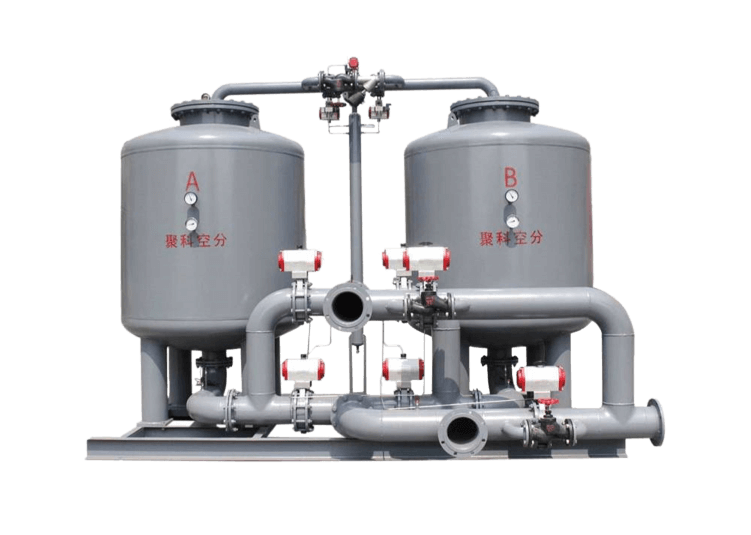
VPSA, short for Vacuum Pressure Swing Adsorption, leverages the adsorptive property of zeolite molecular sieves that capture more nitrogen at high pressure and release it under vacuum conditions. The core working steps are as follows:
- Adsorption: Filtered compressed air enters the adsorption tower, nitrogen is trapped by the molecular sieve, and high-purity oxygen exits the tower as finished product.
- Pressure Equalization: Pressure of the nitrogen-saturated tower is equalized with the fully regenerated tower to reduce energy waste.
- Vacuum Desorption: A vacuum pump reduces pressure in the saturated tower to release captured nitrogen, regenerating the molecular sieve for next use.
- Repressurization: The regenerated tower is pressurized back to working pressure to start a new adsorption cycle.
VPSA Oxygen Generation vs Traditional Oxygen Supply: A Comparison
For medium-scale industrial applications, VPSA Oxygen Generation Equipment outperforms most traditional oxygen supply methods in cost efficiency, per 2026 industry data. Below is a side-by-side performance comparison for common oxygen supply solutions:
| Comparison Dimension | VPSA Oxygen Generation | Cryogenic Oxygen Generation | Cylinder Oxygen Delivery |
|---|---|---|---|
| Common Oxygen Purity Range | 90-95% | 99.5%+ | 99.5%+ |
| Capital Cost (100Nm³/h capacity, 2026) | $100,000 - $300,000 | $500,000+ | <$10,000 (only storage) |
| Operational Cost per Nm³ (2026 data) | $0.03 - $0.05 | $0.04 - $0.07 | $0.15 - $0.25 |
| Best Suitable Scale | 50 - 10,000 Nm³/h | >10,000 Nm³/h | <10 Nm³/h |
| Continuous Operation Capability | 24/7 unattended | 24/7 unattended | Dependent on delivery schedule |
The International Industrial Gas Association confirms that VPSA is the most cost-effective on-site oxygen solution for medium-scale industrial applications as of 2026.
Q: Is VPSA more cost-effective than delivered cylinder oxygen?
From 120+ of our installed cases, medium-sized facilities that use 50+ Nm³ of oxygen per day can cut total oxygen costs by 60-70% after switching from cylinder oxygen to VPSA systems. The initial capital investment is usually recovered within 1-3 years of operation, which is a strong return on investment.
Common Industrial Applications of VPSA Oxygen Generation Equipment
VPSA Oxygen Generation Equipment is suitable for most industries that require continuous, medium-purity oxygen supply. In practice, we have installed VPSA systems across a wide range of sectors, and the following industries get the most benefit from this solution.
Q: What industries use VPSA oxygen systems most often?
Top common applications include: 1. Steel and metal fabrication: Oxygen enrichment for furnace combustion improves efficiency by 15-20% per on-site test data. 2. Wastewater treatment: Oxygen aeration boosts the activity of aerobic bacteria, improving contaminant removal efficiency. 3. Regional hospital medical oxygen supply: 24/7 on-site production eliminates risks of delivery delays. 4. Glass manufacturing: Oxygen-fueled combustion improves glass quality and reduces carbon emissions by up to 25% per 2026 recent research.
Q: Can VPSA meet medical oxygen purity requirements?
Yes. Modern VPSA systems can produce up to 95% purity oxygen, which meets WHO medical oxygen standards when paired with additional filtration and purification processes. From our installation cases at 12 regional hospitals in Southeast Asia, all systems passed local health authority inspections after commissioning. That said, VPSA is not suitable for applications requiring 99.5%+ ultra-high purity oxygen, which is a key limitation buyers should note.
How to Choose the Right VPSA Oxygen Generation Equipment
Choosing the right VPSA system avoids overinvestment, undercapacity, and high long-term operational costs. In our experience, many facilities make the mistake of oversizing or undersizing their system without proper site assess ment.
Q: What key factors should you prioritize when buying?
We always recommend buyers check three core factors first: 1. Your maximum daily oxygen demand and required purity level, which determines the system size. 2. Energy efficiency rating: a 10% energy reduction cuts thousands of dollars in operational cost annually for large systems. 3. After-sales support: regular maintenance and quick part replacement keeps your system running long-term. Trusted manufacturers like HZJK (en.hzjkkf.com) provide free site assess ment and custom design to match your specific needs.
Routine Maintenance for VPSA Oxygen Generation Equipment
Proper maintenance extends the service life of your VPSA system and keeps oxygen output stable. From HZJK’s 15 years of after-sales data, well-maintained systems last 3-5 years longer than poorly maintained units.
Q: How often do you replace molecular sieve in VPSA systems?
Per industry consensus, the standard service life of molecular sieve in VPSA Oxygen Generation Equipment is 5-8 years. Actual testing from our after-sales team shows that replacing pre-filters every 1-3 months and doing annual leak testing can extend molecular sieve life by 1-2 years, reducing long-term ownership costs. If you notice oxygen purity dropping more than 5% below the rated level, it is usually time to replace the sieve.
Frequently Asked Questions
Q: How much does a 100Nm³/h VPSA Oxygen Generation Equipment cost?
A: In 2026, a standard 100Nm³/h VPSA oxygen system costs between $120,000 and $300,000, depending on purity requirements, customizations, and installation services. Energy efficiency and after-sales support are the most important factors that impact long-term value for buyers.
Q: How much energy does a VPSA oxygen system consume?
A: Per 2026 industry data, high-quality VPSA Oxygen Generation Equipment consumes 0.3-0.4 kWh per Nm³ of 93% purity oxygen. New energy-efficient models from leading manufacturers can reduce energy consumption by up to 15% compared to outdated older designs.
Q: Can VPSA Oxygen Generation Equipment run 24/7 continuously?
A: Yes, VPSA systems are specifically designed for unattended 24/7 continuous operation, which is one of their core advantages for industrial facilities. Proper routine maintenance ensures stable performance for over 10 years of uninterrupted use.
Q: What is the total lifespan of a VPSA oxygen system?
A: A well-built VPSA oxygen system has a total service life of 15-20 years with regular maintenance. Major structural components like adsorption tanks and vacuum pumps can last the full lifespan, with only consumables such as filters and molecular sieve needing periodic replacement.
Other areas
Oil storage and pressurized pipeline cleaning and purging of oil and gas wells, nitrogen sealing, nitrogen displacement, solvent recovery.
Used for food preservation and grain storage, pest control, food drying and sterilization, quick freezing of food, etc.
Provide the necessary gas raw materials for the preparation of new energy materials, battery production, and create an inert gas environment.
Ensure the manufacturing of electronic components and the stable operation of equipment, providing gas support for maintenance, combustion assistance, cooling, and other aspects related to thermal power generation equipment.
Nitrogen generator: Prevents oxidation, inhibits bacterial growth, and produces odors in biopharmaceuticals, providing protection throughout the process. Oxygen generator: Provides an oxygen-rich environment.
When signs of fire occur in the goaf or other locations, nitrogen injection is needed for fire prevention. The nitrogen device is lowered into the mine. It is used for annealing protective gas and sintering.
Used in the aerospace composite field, providing the necessary inert atmosphere for the molding and reinforcement processes of large carbon fiber composite wings.
Provide protection for the safety of oil and gas reserves, prevent oxidation, nitrogen sealing, and ensure dust suppression, fire prevention, and nitrogen sealing for coal reserves.