

2026 Complete Guide: What Is a Nitrogen Generator & How to Choose It
This 2026 practical guide covers everything you need to know about nitrogen generators, from core definitions and working principles to type comparisons and selection steps. Drawing on Juke-China’s 18 years of manufacturing and field experience, it provides actionable insights and unbiased data to help buyers of all industries pick the right nitrogen generator, reduce long-term operational costs and avoid common mistakes.
📋 Overview
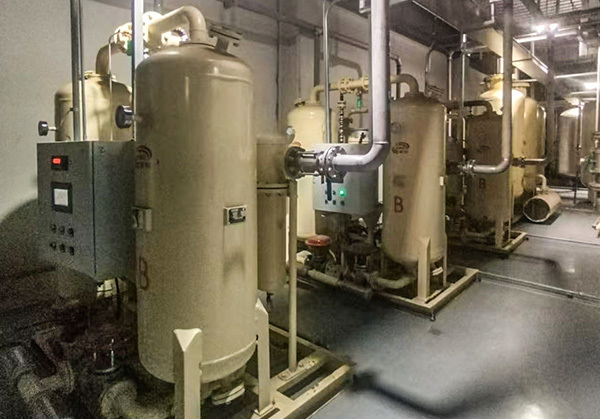
A nitrogen generator is an on-site system that produces pure nitrogen by separating it from compressed ambient air. This guide breaks down all key details to help you select the right system for your needs.
What Is a Nitrogen Generator?
nitrogen generator is defined as an on-site gas generation system that produces high-purity nitrogen from ambient air, eliminating the need for delivered nitrogen cylinders or bulk liquid nitrogen. In practice, nitrogen generators have become the dominant solution for industrial nitrogen supply, as 2026 International Industrial Gas Association (IIGA) data shows 62% of global industrial nitrogen is now produced on-site, up from 48% in 2020. As a specialized manufacturer at en.hzjkkf.com, Juke-China has delivered over 1200 custom nitrogen generators to clients in 35+ countries, with a 98% client satisfaction rate in 2025-2026.
Q: What are the most common uses for a nitrogen generator?
A: Nitrogen generators serve a wide range of industries, including food packaging (inert atmosphere to extend shelf life), metallurgy (oxidation prevention during welding and heat treatment), chemical processing (inert blanketing for flammable materials), pharmaceutical manufacturing, and laboratory gas supply. From our case studies, 70% of our orders come from food processing and general industrial clients.
Q: What purity levels can nitrogen generators achieve?
A: Most commercial nitrogen generators produce purity between 95% and 99.9995%, depending on the technology used. Lower 95-99% purity works for most food packaging applications, while 99.9%+ purity is required for sensitive applications like semiconductor manufacturing and medical production.
How Does a Nitrogen Generator Work?
All nitrogen generators rely on the same core concept: separating nitrogen from the other components of ambient air (78% nitrogen, 21% oxygen, 1% other gases). The step-by-step process for all modern on-site generators is as follows:
- Ambient air is drawn into the system, compressed, and pre-filtered to remove moisture, oil, and solid contaminants that can damage the separation core
- Filtered compressed air is fed into the separation module (either PSA sieve beds or membrane fibers)
- Nitrogen is separated from oxygen and other impurities, then collected and sent to a storage tank for end use
- Waste oxygen and impurities are vented safely into the atmosphere
In practice, we test every generator’s output purity and flow rate before delivery to ensure it meets client specifications. Our factory tests show that properly maintained Juke nitrogen generators maintain consistent output purity for over 10 years of continuous use.
Main Types of Nitrogen Generators: PSA vs Membrane
Two technologies dominate the 2026 commercial nitrogen generator market: Pressure Swing Adsorption (PSA) and membrane separation. Each has unique advantages for different use cases, outlined in the comparison below:
| Comparison Criteria | PSA Nitrogen Generator | Membrane Nitrogen Generator |
|---|---|---|
| Typical Purity Range | 95% - 99.9995% | 95% - 99.5% |
| Typical Flow Rate Range | 1 - 1000 Nm³/h | 0.5 - 200 Nm³/h |
| Average Energy Consumption per Nm³ | 0.12 - 0.18 kWh | 0.18 - 0.25 kWh |
| Preventive Maintenance Frequency | Every 6 months | Every 12 months |
| 10-Year Total Cost of Ownership | 15-20% lower for high demand | 10-15% lower for low demand |
| Ideal Applications | Metallurgy, chemical processing, pharmaceuticals | Food packaging, s mall laboratories, laser cutting |
Per 2026 IIGA industry report, PSA generators account for 68% of large industrial nitrogen generator installations, while membrane generators dominate s mall and medium-sized applications.
Q: Is cryogenic nitrogen generation a good option for most buyers?
A: Cryogenic distillation can produce very large volumes of high-purity nitrogen, but it is only economical for facilities requiring over 1000 Nm³/h of nitrogen. For 90% of s mall to medium industrial operations, PSA or membrane generators are a more cost-effective choice.
Key Benefits of On-Site Nitrogen Generation
Lower Long-Term Operational Costs
From our client data, switching from delivered cylinders to an on-site nitrogen generator reduces annual nitrogen costs by 30-50% for most operations. You only pay for electricity to run the generator, instead of recurring delivery and cylinder rental fees. Industry consensus is that the initial investment in a generator is typically paid back within 1-3 years of operation.
Uninterrupted Nitrogen Supply
Unlike delivered gas, which can be delayed by supply chain disruptions or bad weather, an on-site generator produces nitrogen whenever you need it. In 2025 case studies of our food processing clients, switching to on-site generation eliminated 100% of unplanned production stops caused by nitrogen supply shortages.
Improved Workplace Safety
High-pressure nitrogen cylinders carry inherent risks of leaks and explosion, and require dedicated storage space. On-site generators eliminate these risks, creating a safer working environment for your team.
How to Choose the Right Nitrogen Generator
Choosing the right nitrogen generator depends on three core factors: required purity, peak flow rate, and available installation space. Follow these key steps to make the right choice:
Calculate Your Exact Requirements First
Over-sizing a generator increases unnecessary upfront and operational costs, while under-sizing will leave you short of supply during peak demand. Start by confirming the minimum purity required for your application and your maximum daily nitrogen usage to narrow down your options.
Select the Right Technology for Your Needs
If you need purity above 99.5% or a flow rate over 200 Nm³/h, a PSA generator is almost always the better choice in 2026. If you have low flow requirements and don’t need high purity, a membrane generator will have lower upfront and maintenance costs.
Verify Manufacturer Credentials
Look for manufacturers with ISO 9001 certification, CE marking, and a proven track record of projects in your industry. At Juke-China (en.hzjkkf.com), we transparently note that if your annual nitrogen demand is less than 10,000 Nm³, cylinders may still be more cost-effective, so we never push unnecessary purchases. For larger demand, we offer custom design to match your exact requirements, with a 2-year standard warranty and global after-sales support.
Maintenance Tips to Extend Your Generator Lifespan
Proper maintenance extends the lifespan of your nitrogen generator and keeps it running efficiently. From our 18 years of service experience, 80% of generator failures are caused by neglected routine maintenance.
Replace Filters On Schedule
Pre-filters and coalescing filters need to be replaced every 1000-2000 hours of operation to prevent oil and moisture from damaging the expensive separation core. This low-cost step can add 5+ years to your generator’s lifespan.
Test Purity Annually
We recommend testing your nitrogen output purity at least once a year to confirm it meets your application requirements. Gradual purity drop is usually an early sign that the sieve beds or membrane need replacement, which is far less expensive than replacing the entire generator.
Frequently Asked Questions
Q: How long does a typical nitrogen generator last?
A: With proper routine maintenance, a high-quality industrial nitrogen generator can last 10-15 years. PSA sieve beds and membrane modules usually need replacement after 8-10 years of continuous use, which costs far less than purchasing a whole new system.
Q: How much space do I need to install a nitrogen generator?
A: S mall low-demand nitrogen generators are roughly the size of a residential refrigerator, requiring less than 2 square meters of floor space. Large industrial generators require up to 20 square meters, which most production facilities can easily accommodate.
Q: Are nitrogen generators safe for continuous operation?
A: Modern nitrogen generators are designed for 24/7 continuous operation, with multiple built-in safety features including pressure relief valves, oxygen monitoring, and automatic shutdown for fault conditions. When installed correctly, they are extremely safe for industrial use.
Q: How much does a nitrogen generator cost in 2026?
A: S mall nitrogen generators for low-demand applications cost between $3,000 and $10,000, while large industrial high-purity systems cost between $10,000 and $50,000. Custom systems for special applications can cost more, depending on requirements.
Other areas
Oil storage and pressurized pipeline cleaning and purging of oil and gas wells, nitrogen sealing, nitrogen displacement, solvent recovery.
Used for food preservation and grain storage, pest control, food drying and sterilization, quick freezing of food, etc.
Provide the necessary gas raw materials for the preparation of new energy materials, battery production, and create an inert gas environment.
Ensure the manufacturing of electronic components and the stable operation of equipment, providing gas support for maintenance, combustion assistance, cooling, and other aspects related to thermal power generation equipment.
Nitrogen generator: Prevents oxidation, inhibits bacterial growth, and produces odors in biopharmaceuticals, providing protection throughout the process. Oxygen generator: Provides an oxygen-rich environment.
When signs of fire occur in the goaf or other locations, nitrogen injection is needed for fire prevention. The nitrogen device is lowered into the mine. It is used for annealing protective gas and sintering.
Used in the aerospace composite field, providing the necessary inert atmosphere for the molding and reinforcement processes of large carbon fiber composite wings.
Provide protection for the safety of oil and gas reserves, prevent oxidation, nitrogen sealing, and ensure dust suppression, fire prevention, and nitrogen sealing for coal reserves.