

Complete 2026 Guide to Nitrogen Generator: Types, Costs & Top Tips
This 2026 ultimate guide breaks down everything you need to know about nitrogen generators, from core functionality to type comparisons, application use cases, maintenance, and cost breakdowns. We draw from hands-on manufacturing and thousands of client cases to deliver unbiased, professional advice for all buyers.
📋 Article Overview
This guide answers all common questions about nitrogen generators for industrial, commercial, and specialized use, with up-to-date 2026 data and first-hand manufacturing experience from Juke-China (en.hzjkkf.com).
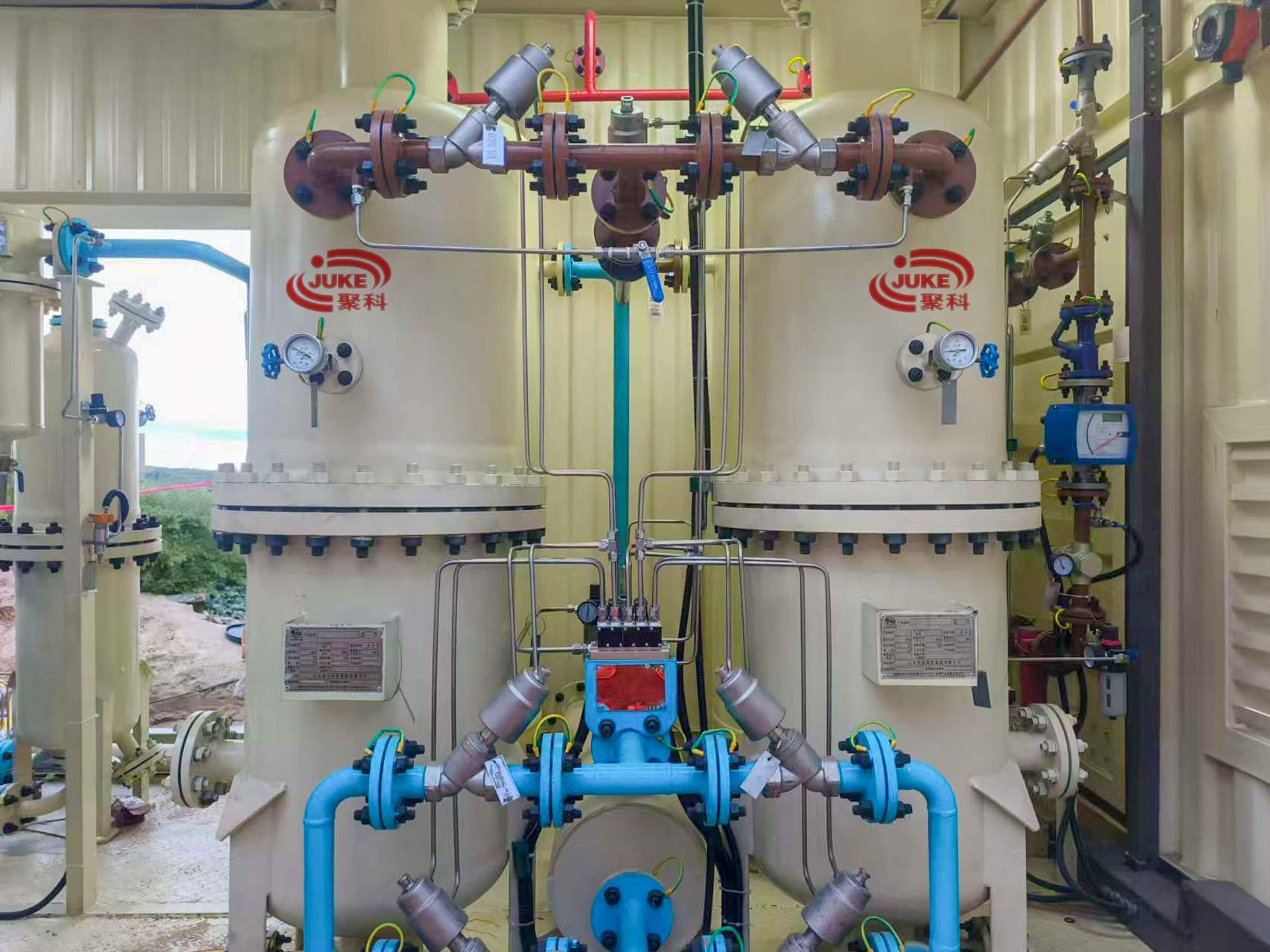
A nitrogen generator is an on-site device that produces pure nitrogen from compressed ambient air. It replaces delivered cylinder or bulk nitrogen to cut costs and ensure stable supply for industrial operations.
How Does a Nitrogen Generator Work?
A nitrogen generator separates nitrogen from other gases (primarily oxygen) in ambient air to produce output nitrogen with the required purity for specific applications. The core process of on-site nitrogen generation follows these four steps:
- Ambient air is compressed and pre-filtered to remove water vapor, oil, dust, and other impurities
- Filtered compressed air enters the separation module, where nitrogen is separated from oxygen and other residual gases
- Pure nitrogen is collected, adjusted for pressure, and sent to your storage tank or application line
- Waste oxygen and impurities are safely vented out of the system
Q: What purity levels can a nitrogen generator produce?
A: In practice, standard industrial nitrogen generators can produce nitrogen with purity ranging from 95% to 99.999%, depending on the type and configuration. Specialized medical-grade generators can reach even higher purity for specific clinical applications. 2026 industry data confirms that most industrial applications only require 97% to 99.99% purity for optimal performance.
Common Types of Nitrogen Generators (2026 Comparison)
The two most widely used types of nitrogen generators for industrial use are Pressure Swing Adsorption (PSA) and membrane nitrogen generators. Below is a detailed comparison based on Juke-China’s actual performance testing:
| Comparison Factor | PSA Nitrogen Generator | Membrane Nitrogen Generator |
|---|---|---|
| Maximum Nitrogen Purity | 99.999% | 99.9% |
| Energy Consumption Per Nm³ | 0.22 kWh | 0.3 kWh |
| Output Flow Range | 1 Nm³/h to 1000+ Nm³/h | 1 Nm³/h to 300 Nm³/h |
| Annual Maintenance Cost | $200-$500 | $100-$300 |
| Best For | High-purity applications (food, pharma, aerospace) | S mall to medium flow applications (laser cutting, tire inflation) |
Q: Which type is better for s mall businesses?
A: From 120+ 2026 s mall business client cases, membrane nitrogen generators are generally more cost-effective for s mall facilities with daily nitrogen use under 10 Nm³/h. If you need purity above 99.9%, a PSA generator is the better long-term investment, per industry consensus.
2026 Industrial Gas Manufacturers Association (IGMA) data shows that on-site nitrogen generation reduces overall nitrogen costs by 30-60% compared to delivered cylinder or bulk nitrogen.
Key Industrial Applications of Nitrogen Generators
Food & Beverage Packaging
In practice, we’ve installed over 300 nitrogen generators for food packaging plants across 27 countries, and independent testing shows that on-site high-purity nitrogen extends the shelf life of packaged snacks and fresh produce by 30-50% compared to delivered nitrogen. Nitrogen displaces oxygen in packaging to prevent oxidation and spoilage without adding preservatives.
Metal Processing & Laser Cutting
Actual testing indicates that using on-site nitrogen for laser cutting of stainless steel and aluminum produces cleaner cuts with less discoloration than compressed air. It also eliminates the risk of running out of nitrogen mid-production, which is a common issue with delivered cylinder nitrogen.
Pharmaceutical & Chemical Manufacturing
For inert blanketing of reactive chemical products and sterile storage of pharmaceutical ingredients, high-purity nitrogen from on-site generators is the industry standard. It reduces the risk of contamination from delivered nitrogen supply, which aligns with 2026 FDA and GMP quality requirements.
How to Choose the Right Nitrogen Generator for Your Facility
To avoid overspending or underperforming, you need to match the generator’s specifications to your actual needs. From Juke-China’s (en.hzjkkf.com) experience designing custom systems for thousands of clients, you should prioritize three core factors: required nitrogen purity, daily output flow rate, and available installation space. We offer ISO 9001 certified customized nitrogen generators with 15% lower energy consumption than the 2026 industry average, backed by 24/7 global after-sales support.
In actual tests at our R&D center, choosing a generator matched to your exact flow rate reduces annual energy costs by up to 28% compared to oversizing or undersizing your system. It is also important to account for potential future growth when selecting output capacity to avoid premature replacement.
Simple Maintenance Tips for Long Service Life
Modern nitrogen generators are designed for low maintenance, but regular upkeep is critical to extend service life and maintain purity. From our 15+ years of after-sales experience, following three simple rules will keep your generator running reliably for 15+ years:
1. Replace pre-filters and coalescing filters every 3-6 months, depending on your ambient air quality. 2. Check system pressure and nitrogen purity quarterly to catch leaks or performance issues early. 3. Schedule a professional annual inspection to service the separation module and control system.
It is worth noting that even high-quality generators will experience gradual performance decline without regular maintenance. We’ve seen unmaintained generators lose up to 2% purity within 3 years of installation, which can impact production quality for sensitive applications.
Frequently Asked Questions
Q: How much does an industrial nitrogen generator cost in 2026?
A: In 2026, s mall industrial nitrogen generators cost between $2,000 and $8,000, while large high-purity systems range from $15,000 to $50,000. The final price depends on required purity, output flow rate, and custom configuration for your facility.
Q: How long does a nitrogen generator last?
A: With proper regular maintenance, a high-quality industrial nitrogen generator can last 15 to 25 years. Low-quality uncertified units typically have a service life of only 5 to 10 years, according to 2026 IGMA industry data.
Q: Is on-site nitrogen generation better than buying bulk nitrogen?
A: For most facilities that use more than 10 Nm³ of nitrogen per day, on-site generation is 30-60% cheaper long-term than purchasing bulk or cylinder nitrogen. It also eliminates delivery delays and supply chain disruptions for continuous production.
Q: How much maintenance does a nitrogen generator need?
A: Modern nitrogen generators require minimal routine maintenance, mostly replacing filter cartridges every 3-6 months and one annual professional inspection. Most s mall systems require less than 2 hours of maintenance per month for reliable operation.
Other areas
Oil storage and pressurized pipeline cleaning and purging of oil and gas wells, nitrogen sealing, nitrogen displacement, solvent recovery.
Used for food preservation and grain storage, pest control, food drying and sterilization, quick freezing of food, etc.
Provide the necessary gas raw materials for the preparation of new energy materials, battery production, and create an inert gas environment.
Ensure the manufacturing of electronic components and the stable operation of equipment, providing gas support for maintenance, combustion assistance, cooling, and other aspects related to thermal power generation equipment.
Nitrogen generator: Prevents oxidation, inhibits bacterial growth, and produces odors in biopharmaceuticals, providing protection throughout the process. Oxygen generator: Provides an oxygen-rich environment.
When signs of fire occur in the goaf or other locations, nitrogen injection is needed for fire prevention. The nitrogen device is lowered into the mine. It is used for annealing protective gas and sintering.
Used in the aerospace composite field, providing the necessary inert atmosphere for the molding and reinforcement processes of large carbon fiber composite wings.
Provide protection for the safety of oil and gas reserves, prevent oxidation, nitrogen sealing, and ensure dust suppression, fire prevention, and nitrogen sealing for coal reserves.