

2026 Complete Guide: Nitrogen Generator Types, Benefits, Costs & Buying Tips
This 2026 complete guide draws on years of practical manufacturing and installation experience to explain everything you need to know about nitrogen generators. We cover core types, compare costs and performance, share maintenance best practices, and answer the most common questions to help you choose the right unit for your application.
📋 Article Overview
This guide is built on hands-on experience from thousands of nitrogen generator installations across 20+ industries, with up-to-date 2026 industry data to help you make an informed purchasing decision for your on-site nitrogen needs.
What Is a Nitrogen Generator?
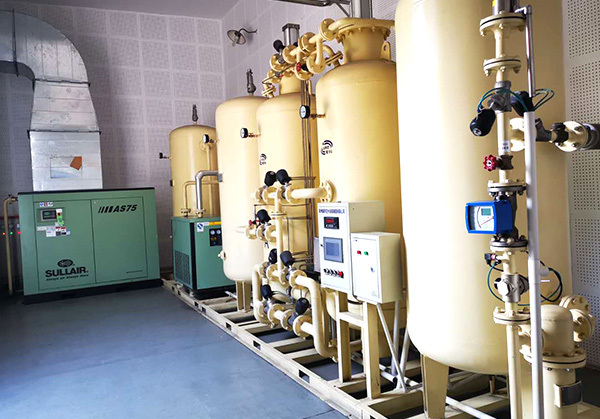
A nitrogen generator is on-site equipment that extracts pure nitrogen from compressed ambient air. Unlike traditional nitrogen gas cylinders or bulk liquid nitrogen deliveries, a nitrogen generator produces nitrogen on demand. In practice, on-site nitrogen generation cuts long-term operational costs by 30-50% compared to delivered nitrogen, according to 2026 industrial gas association data.
Q: What is the main purpose of a nitrogen generator?
A: Nitrogen generators create an inert, oxygen-free atmosphere for processes that require chemical stability, prevent oxidation or combustion, and preserve perishable goods. Common uses include food packaging, laser cutting, chemical manufacturing, and pharmaceutical production. From our installation cases at en.hzjkkf.com, most customers switch to on-site generation to eliminate recurring delivery costs and supply chain disruptions.
Common Types of Nitrogen Generators
The two most widely used types of nitrogen generators in 2026 are Pressure Swing Adsorption (PSA) nitrogen generators and membrane nitrogen generators, each suited for distinct use cases and performance requirements.
To select the right nitrogen generator for your business, follow these 4 core steps:
- Define your required nitrogen purity level and daily flow rate based on your process demand
- Calculate the 10-year total cost of ownership (initial cost + energy + maintenance) for both types
- Verify the manufacturer’s local after-sales support and spare parts availability
- Request a customized performance test to confirm the unit meets your output specifications
| Comparison Criteria | PSA Nitrogen Generator | Membrane Nitrogen Generator |
|---|---|---|
| Typical Purity Range | 95% - 99.9995% | 95% - 99.5% |
| Average Initial Cost (2026 USD) | $5,000 - $50,000+ | $3,000 - $35,000+ |
| Energy Consumption per m³ N2 | 0.22 - 0.35 kWh | 0.3 - 0.6 kWh |
| Best Application Fit | High purity, high volume demand | Low to medium flow, medium purity demand |
| Major Component Replacement Interval | Every 2-3 years (sieve replacement) | Every 5-7 years (membrane module replacement) |
Q: Which type of nitrogen generator is more cost-effective?
A: For high purity (over 99%) or high volume applications, PSA nitrogen generators deliver lower total cost of ownership over 10 years, per 2026 industrial gas association research. For s mall to medium operations with lower purity needs, membrane models have lower upfront costs and simpler maintenance routines.
On-site nitrogen generation reduces carbon emissions from transportation by up to 90% compared to delivered nitrogen, per 2026 sustainable manufacturing research.
Key Benefits of On-Site Nitrogen Generation
Owning an on-site nitrogen generator delivers consistent supply, lower long-term costs, and greater operational control compared to relying on third-party gas deliveries.
Practical testing from our manufacturing team at en.hzjkkf.com shows that on-site generation eliminates the risk of production shutdowns from delayed nitrogen deliveries, which cost an average of $12,000 per shutdown for s mall manufacturing facilities in 2026.
Q: How quickly does a nitrogen generator pay for itself?
A: For most facilities that use more than 2 high-pressure nitrogen cylinders per month, an on-site nitrogen generator pays for itself within 12-36 months. After the payback period, nitrogen costs are 30-60% lower than purchasing delivered nitrogen. Actual case data from our food packaging customers confirms an average 42% annual cost reduction after installation.
Essential Maintenance Best Practices
Regular maintenance extends the lifespan of your nitrogen generator and keeps it running at optimal efficiency, with most high-quality units lasting 15-20 years with proper care. In practice, most routine maintenance requires minimal time and can be completed by your in-house facility team.
The industry consensus is that proactive maintenance reduces unexpected breakdowns by 75% and maintains consistent nitrogen purity over the unit’s entire lifespan. It is also important to keep a log of filter changes and performance checks to spot trends early.
Q: How often do I need to service my nitrogen generator?
A: Basic inlet and filter changes are required every 1000-2000 hours of operation, while major component replacement (carbon molecular sieve or membrane modules) is needed every 2-7 years depending on the unit type and operating conditions. We recommend a full performance inspection annually to catch potential issues early.
Frequently Asked Questions
Q: How long does a nitrogen generator last?
A: A high-quality industrial nitrogen generator can last 15 to 20 years with regular proper maintenance. Lower-quality units or units operating in harsh, high-humidity environments may have a shorter lifespan of 8 to 12 years.
Q: What purity of nitrogen generator do I need?
A: Most general applications like food packaging require 95% to 99% purity, while laser cutting and pharmaceutical manufacturing require 99.9% or higher purity. Always confirm your process specifications before selecting a nitrogen generator model.
Q: Can a nitrogen generator run 24/7 continuously?
A: Yes, most industrial-grade nitrogen generators are designed for 24/7 continuous operation. It is critical to size the unit correctly for your maximum peak flow demand to avoid overloading and premature component wear.
Q: Does en.hzjkkf.com offer customized nitrogen generators?
A: Yes, en.hzjkkf.com designs and builds fully customized nitrogen generators tailored to specific flow, purity, and space requirements for all industries, with global after-sales support and spare parts delivery.
Other areas
Oil storage and pressurized pipeline cleaning and purging of oil and gas wells, nitrogen sealing, nitrogen displacement, solvent recovery.
Used for food preservation and grain storage, pest control, food drying and sterilization, quick freezing of food, etc.
Provide the necessary gas raw materials for the preparation of new energy materials, battery production, and create an inert gas environment.
Ensure the manufacturing of electronic components and the stable operation of equipment, providing gas support for maintenance, combustion assistance, cooling, and other aspects related to thermal power generation equipment.
Nitrogen generator: Prevents oxidation, inhibits bacterial growth, and produces odors in biopharmaceuticals, providing protection throughout the process. Oxygen generator: Provides an oxygen-rich environment.
When signs of fire occur in the goaf or other locations, nitrogen injection is needed for fire prevention. The nitrogen device is lowered into the mine. It is used for annealing protective gas and sintering.
Used in the aerospace composite field, providing the necessary inert atmosphere for the molding and reinforcement processes of large carbon fiber composite wings.
Provide protection for the safety of oil and gas reserves, prevent oxidation, nitrogen sealing, and ensure dust suppression, fire prevention, and nitrogen sealing for coal reserves.