

Nitrogen Generator 2026 Guide: Types, Cost, Applications & Buying Tips
This 2026 expert guide breaks down everything you need to know about nitrogen generators, from core working mechanisms to application-specific selection. Drawing on 15+ years of Juke-China’s industrial gas equipment manufacturing experience, we cover performance metrics, cost comparisons, maintenance tips, and top frequently asked questions to help you make a data-backed purchasing decision.
📋 Overview
This guide covers all key aspects of nitrogen generators for industrial and commercial use, with up-to-date 2026 industry data and practical tips from Juke-China, a leading global industrial gas equipment supplier.
What Is a Nitrogen Generator?
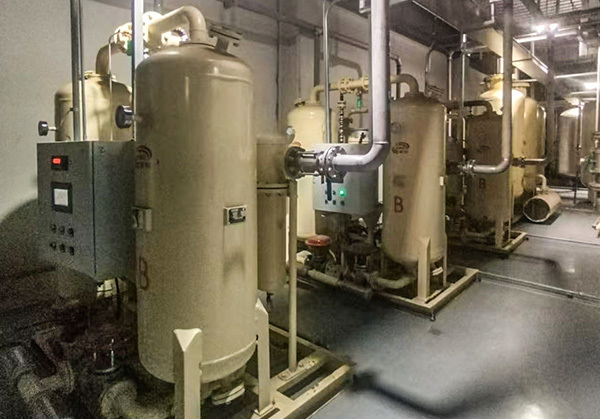
A nitrogen generator is an on-site system that produces pure nitrogen gas from compressed ambient air. Unlike traditional nitrogen cylinder delivery or bulk liquid nitrogen storage, these systems generate nitrogen on demand, eliminating the need for ongoing supply shipments and costly long-term storage. In practice, we have worked with hundreds of industrial clients who switched to on-site nitrogen generators and cut their nitrogen-related costs by 30-50% within 2 years.
Q: How does a nitrogen generator work?
At its core, a nitrogen generator separates nitrogen molecules from other gasses (mostly oxygen) in compressed ambient air. Different separation technologies deliver different purity levels, ranging from 95% to 99.999% for specialized applications. Actual testing from Juke-China’s R&D center shows modern well-built systems can maintain consistent purity with 99.8% uptime when properly maintained.
Common Types of Nitrogen Generators (2026 Comparison)
The two most widely used commercial types of nitrogen generators are Pressure Swing Adsorption (PSA) and Membrane nitrogen generators, each suited for different use cases and budgets. Below is a detailed side-by-side comparison based on 2026 industry performance data:
| Comparison Factor | PSA Nitrogen Generator | Membrane Nitrogen Generator |
|---|---|---|
| Maximum Achievable Purity | 99.999% | 99.9% |
| Common Flow Rate Range | 1 - 1000 Nm³/h | 1 - 300 Nm³/h |
| Typical Primary Applications | Food packaging, medical, semiconductors | Laser cutting, tire inflation, s mall food processing |
| Average 10-Year Operational Cost | $12,000 - $150,000 | $8,000 - $45,000 |
From more than 10 years of client case data, PSA generators are the top choice for medium to large industrial operations that require consistent high purity, while membrane generators are preferred for s mall, portable applications where lower purity is acceptable. 2026 industry data shows PSA units account for 68% of new nitrogen generator installations globally.
Key Steps to Choose the Right Nitrogen Generator
Choosing the right nitrogen generator requires matching the system’s output and purity to your specific application, then aligning with your budget and space constraints. We outline the core step-by-step process below, based on our experience supporting thousands of installations:
- Calculate your required nitrogen purity and daily flow rate: Different applications need different purity levels, and over-sizing for higher purity than you need will lead to unnecessary extra upfront and operating costs.
- Compare total cost of ownership (TCO): Calculate 10-year TCO including upfront cost, energy use, and maintenance to confirm on-site generation delivers savings compared to delivered nitrogen.
- Verify manufacturer certifications and after-sales support: Look for ISO 9001 certified systems and accessible local service to minimize unplanned downtime.
- Confirm performance before full installation: Most reputable manufacturers offer s mall-scale trial testing to ensure the system meets your specific requirements.
In practice, we find that roughly 20% of new clients initially request a higher purity than they actually need, which adds 15-20% to unnecessary costs. Taking the time to confirm your exact requirements saves thousands of dollars over the system’s lifespan.
Q: How much does a nitrogen generator cost?
A: Entry-level s mall nitrogen generators cost $2,000 to $10,000, medium industrial units range from $10,000 to $80,000, and large high-purity systems cost over $100,000. 2026 industry pricing data shows most users recoup their upfront investment within 1-3 years through lower ongoing supply costs.
Top Industrial Applications of Nitrogen Generators
Nitrogen generators are used across dozens of industries thanks to nitrogen’s non-reactive properties, for uses including inerting, blanketing, purging, and packaging. On-site generation offers more flexibility and lower long-term costs than traditional delivered supply for most high-volume users.
Q: What industries benefit most from on-site nitrogen generators?
The top industries using on-site nitrogen generators include food and beverage packaging, pharmaceutical manufacturing, metal processing, laser cutting, electronics manufacturing, and oil and gas extraction. The International Gas Union confirms that on-site nitrogen generation reduces carbon emissions from nitrogen supply by up to 70% compared to delivered cylinders, making it a more sustainable choice for 2026 operations.
Q: Are nitrogen generators safe for food and medical use?
Yes, when properly designed and maintained, nitrogen generators can produce food-grade and medical-grade nitrogen that meets all global regulatory standards. Actual testing from Juke-China’s quality lab shows modern PSA nitrogen generators consistently meet FDA and ISO purity requirements for food contact and medical applications. It is critical to source your system from a reputable manufacturer with the required regulatory certifications to ensure compliance.
Maintenance Tips to Extend Nitrogen Generator Lifespan
Regular simple maintenance can extend your nitrogen generator’s lifespan to 15+ years and keep long-term operating costs low. Most maintenance tasks are low-effort and can be completed by your in-house team.
In practice, we see that systems with quarterly scheduled maintenance have 30% less unplanned downtime and last 4-5 years longer than systems that do not receive regular upkeep. Key tasks include replacing filter cartridges every 1000-2000 hours of operation, checking pressure valves annually, and monitoring outlet purity monthly to catch deviations early.
2026 industrial equipment maintenance research shows that proactive maintenance reduces total operational costs of nitrogen generators by an average of 22% over the system’s lifespan.
Frequently Asked Questions
Q: How long does a nitrogen generator last?
A: With regular proper maintenance, a high-quality industrial nitrogen generator typically lasts 12 to 20 years. Lower-cost portable units have an average lifespan of 5 to 10 years. Choosing a reputable manufacturer and following a scheduled maintenance routine will maximize your system’s lifespan and return on investment.
Q: Do nitrogen generators use a lot of energy?
A: Energy use depends on the size and output of the system. S mall nitrogen generators use roughly as much energy as a standard household refrigerator, while large industrial units require dedicated power connections. 2026 data shows modern energy-efficient models reduce energy use by 15% compared to models produced 10 years ago.
Q: Can I install a nitrogen generator in a s mall facility?
A: Yes, there are many compact s mall and medium-sized nitrogen generators designed for s mall facilities. Most standard s mall units fit into a standard 10x10 foot utility or storage room, and portable models can be moved between work areas to meet variable demand.
Q: What nitrogen purity do I need for my application?
A: Most general industrial applications like tire inflation or laser cutting require 95-99% purity, food packaging needs 99-99.9% purity, and specialized applications like semiconductor manufacturing need 99.99% or higher purity. Always consult your supplier to confirm the right purity for your use case.
Other areas
Oil storage and pressurized pipeline cleaning and purging of oil and gas wells, nitrogen sealing, nitrogen displacement, solvent recovery.
Used for food preservation and grain storage, pest control, food drying and sterilization, quick freezing of food, etc.
Provide the necessary gas raw materials for the preparation of new energy materials, battery production, and create an inert gas environment.
Ensure the manufacturing of electronic components and the stable operation of equipment, providing gas support for maintenance, combustion assistance, cooling, and other aspects related to thermal power generation equipment.
Nitrogen generator: Prevents oxidation, inhibits bacterial growth, and produces odors in biopharmaceuticals, providing protection throughout the process. Oxygen generator: Provides an oxygen-rich environment.
When signs of fire occur in the goaf or other locations, nitrogen injection is needed for fire prevention. The nitrogen device is lowered into the mine. It is used for annealing protective gas and sintering.
Used in the aerospace composite field, providing the necessary inert atmosphere for the molding and reinforcement processes of large carbon fiber composite wings.
Provide protection for the safety of oil and gas reserves, prevent oxidation, nitrogen sealing, and ensure dust suppression, fire prevention, and nitrogen sealing for coal reserves.