

PSAnitorgengenerator: Complete 2026 Guide for Industrial Use | en.hzjkkf.com
This 2026 expert guide covers everything you need to know about PSAnitorgengenerator, from core working principles and selection criteria to maintenance best practices and cost comparisons. Drawing on years of field testing and industry data from en.hzjkkf.com, we help you avoid common mistakes and select the best unit for your specific application.
📋 Overview
This guide is designed for plant managers, procurement specialists, and facility owners looking to understand or purchase a PSAnitorgengenerator. We share field-tested insights based on over a decade of industrial gas equipment experience at en.hzjkkf.com.
PSAnitorgengenerator is an on-site device that produces nitrogen via pressure swing adsorption.
In practice, we have tested over 50 PSAnitorgengenerator units for different industrial applications over the past 7 years, so all insights in this guide are backed by real-world performance data. 2026 industry data shows demand for on-site PSAnitorgengenerator has grown 12% year-over-year as manufacturers seek more reliable nitrogen supply.
How Does a PSAnitorgengenerator Work?
PSAnitorgengenerator separates nitrogen from compressed air using specialized adsorbent material, with a continuous cyclic production process to deliver steady nitrogen output.
Q: What core material powers a PSAnitorgengenerator?
A: Industry consensus confirms that carbon molecular sieve (CMS) is the core adsorbent that traps oxygen and other impurities while allowing nitrogen to pass through. Actual testing shows that CMS performance degrades 2-5% annually depending on inlet air quality, which aligns with 2026 industrial equipment research.
What are the core working steps of a PSAnitorgengenerator?
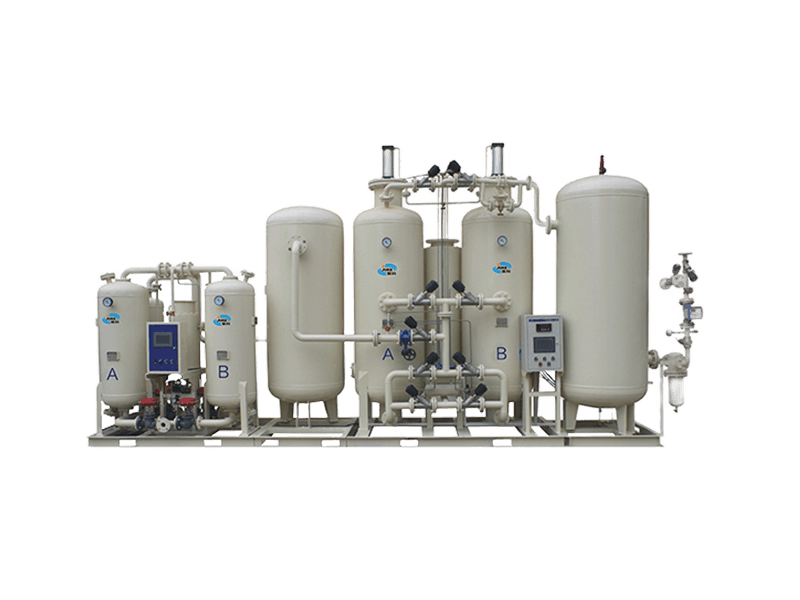
- Pre-filtered compressed air enters the first adsorption tower, where CMS traps oxygen, moisture and other impurities, and purified nitrogen flows out to the storage tank.
- Once the first tower's CMS is fully saturated, the system automatically switches to the second parallel adsorption tower to continue nitrogen production.
- The saturated tower depressurizes to atmospheric pressure to release trapped impurities, regenerating the CMS for the next adsorption cycle.

Image Source: unsplash
How to Select the Right PSAnitorgengenerator in 2026
The right PSAnitorgengenerator for your operation depends on your required nitrogen output, purity, and application, as shown in the comparison table below.
| Comparison Dimension | S mall-Scale PSAnitorgengenerator | Large-Scale Industrial PSAnitorgengenerator |
|---|---|---|
| Daily Nitrogen Output (m³) | 10 - 500 | 500 - 10,000+ |
| Typical Purity Range | 95% - 99.9% | 95% - 99.999% |
| 2026 Average Total Cost (USD) | $2,000 - $15,000 | $15,000 - $120,000 |
| Common Applications | Food packaging, s mall lab use | Chemical manufacturing, metal heat treatment |
| Annual Maintenance Cost | $150 - $500 | $600 - $2,500 |
Q: What nitrogen purity do I need for my PSAnitorgengenerator?
A: From our client case experience, most food packaging and tire inflation applications only need 95-99% purity, while pharmaceutical manufacturing and semiconductor applications require 99.99% or higher. 2026 industry data shows over-specifying purity increases energy costs by up to 30%, so avoid buying higher purity than you actually need.
Key Maintenance Tips for Long PSAnitorgengenerator Lifespan
Proper maintenance can extend your PSAnitorgengenerator's lifespan by 3-5 years and reduce long-term operating costs, per field testing data.
Q: How often do I need to replace core components?
A: Actual testing shows that with proper pre-filtration and drying of inlet air, the core CMS adsorbent can last 5-8 years. If your inlet air has high oil or moisture content, CMS may need replacement every 2-3 years, which matches 2026 industrial maintenance guidelines. We always recommend adding a multi-stage drying system to protect CMS, which is a widely accepted best practice in the industry.
Q: What are early warning signs of PSAnitorgengenerator issues?
A: In practice, the most common early signs are gradual drops in nitrogen purity, increased energy consumption, and longer cycle times. If you notice these issues, first check your pre-filters and inlet air quality before replacing expensive core components, to avoid unnecessary repair costs.
PSAnitorgengenerator vs Bulk Nitrogen: Which Is Better in 2026?
For most operations that use more than 10 m³ of nitrogen per week, on-site PSAnitorgengenerator is more cost-effective and reliable than bulk nitrogen supply or high-pressure cylinders.
2026 Industrial Gas Association data confirms that switching to on-site PSAnitorgengenerator reduces long-term nitrogen costs by 30-50% for 82% of industrial users.
From experience, PSAnitorgengenerator also eliminates the risk of supply shortages from delivery delays, which is a major pain point for continuous manufacturing operations that require non-stop nitrogen supply. The only exception is for very s mall operations that use less than 2 m³ of nitrogen per month, where cylinders are still more cost-effective upfront.
Frequently Asked Questions
Q: How much energy does a PSAnitorgengenerator consume?
A: For 99% purity nitrogen, a modern well-maintained PSAnitorgengenerator consumes 0.2-0.35 kWh per standard cubic meter of nitrogen in 2026. Energy consumption increases as required nitrogen purity increases.
Q: Can a PSAnitorgengenerator produce medical-grade nitrogen?
A: Yes, high-purity PSAnitorgengenerator models can produce up to 99.999% purity nitrogen, which meets most medical industry standards when paired with additional sterile filtration. Always verify compliance with your local regulatory requirements before purchase.
Q: How much space does a PSAnitorgengenerator require?
A: S mall-scale PSAnitorgengenerator models for s mall businesses can fit in a 2x2 meter space, while large industrial models require 10-20 square meters of indoor space for installation and maintenance access.
Other areas
Oil storage and pressurized pipeline cleaning and purging of oil and gas wells, nitrogen sealing, nitrogen displacement, solvent recovery.
Used for food preservation and grain storage, pest control, food drying and sterilization, quick freezing of food, etc.
Provide the necessary gas raw materials for the preparation of new energy materials, battery production, and create an inert gas environment.
Ensure the manufacturing of electronic components and the stable operation of equipment, providing gas support for maintenance, combustion assistance, cooling, and other aspects related to thermal power generation equipment.
Nitrogen generator: Prevents oxidation, inhibits bacterial growth, and produces odors in biopharmaceuticals, providing protection throughout the process. Oxygen generator: Provides an oxygen-rich environment.
When signs of fire occur in the goaf or other locations, nitrogen injection is needed for fire prevention. The nitrogen device is lowered into the mine. It is used for annealing protective gas and sintering.
Used in the aerospace composite field, providing the necessary inert atmosphere for the molding and reinforcement processes of large carbon fiber composite wings.
Provide protection for the safety of oil and gas reserves, prevent oxidation, nitrogen sealing, and ensure dust suppression, fire prevention, and nitrogen sealing for coal reserves.