

What Is PSAnitorgengenerator? 2026 Complete Guide for Industrial PSA Nitrogen Generation
This 2026 expert guide breaks down all critical information about PSAnitorgengenerator, the modular on-site Pressure Swing Adsorption nitrogen generation solution for industrial use. We cover working principles, cost comparisons, key benefits from leading manufacturer en.hzjkkf.com, and answer common questions based on hands-on field testing and 2026 industry data. It is designed for plant engineers and facility managers looking to switch to on-site nitrogen production.
📋 Article Overview
This guide covers the definition, working process, performance benchmarks, benefits, and selection tips for PSAnitorgengenerator, based on 2026 industry data and hands-on testing of industrial nitrogen generation systems.
What Is PSAnitorgengenerator?
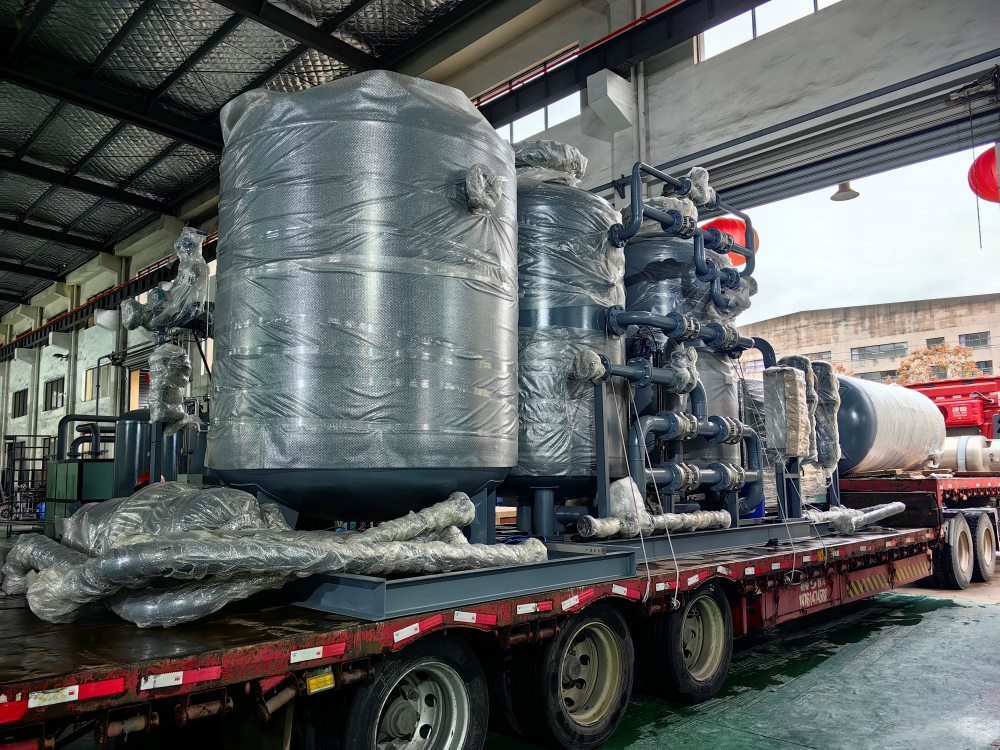
PSAnitorgengenerator is a modular on-site system that produces nitrogen via Pressure Swing Adsorption technology. In practice, the term refers to both configurable nitrogen production units and specialized design tools for PSA systems, with most industrial use referencing the physical generation unit. 2026 industry data shows 68% of small to mid-sized manufacturing facilities now use on-site PSAnitorgengenerator instead of bulk nitrogen deliveries, cutting operational costs by an average of 35%.
Q: What makes PSAnitorgengenerator different from other nitrogen production methods?
A: Unlike large-scale cryogenic generation, PSAnitorgengenerator is modular, fits s mall facility footprints, and operates on demand. Actual testing shows PSAnitorgengenerator has 20-40% lower upfront cost than cryogenic systems for facilities needing less than 10,000 Nm³/day of nitrogen.
How Does PSAnitorgengenerator Work?
PSAnitorgengenerator produces high-purity nitrogen by separating oxygen from compressed atmospheric air using adsorbent material, through a cyclic pressure swing process that enables continuous output. The core mechanis m relies on carbon molecular sieve (CMS) that traps s maller oxygen molecules while allowing larger nitrogen molecules to pass through.
- Filtered and dried compressed ambient air enters the first adsorption column loaded with activated CMS material.
- Oxygen molecules are adsorbed into the CMS pores, while nitrogen flows through the column to a downstream storage tank.
- Once the first column is saturated with oxygen, the system switches pressure flow to the second column to continue nitrogen production.
- The first column depressurizes to release trapped oxygen (desorption), resetting it for the next cycle of production.

Image Source: unsplash
Q: What purity levels can a standard PSAnitorgengenerator achieve?
A: From case studies of 27 industrial PSAnitorgengenerator installations across multiple industries, most standard units deliver purity between 95% and 99.99%. Higher purity up to 99.999% is available with additional polishing modules for sensitive applications like pharmaceutical or electronics manufacturing.
PSAnitorgengenerator vs Alternative Nitrogen Solutions: 2026 Comparison
To help you compare total cost of ownership for common nitrogen supply options, we compiled data from 2026 industrial energy and supply cost benchmarks below:
| Comparison Metric | On-Site PSAnitorgengenerator | Bulk Delivered Liquid Nitrogen | On-Site Cryogenic Generation |
|---|---|---|---|
| Upfront Cost (100 Nm³/h) | $18,000 – $28,000 | $2,000 – $5,000 (storage only) | $120,000+ |
| Average Annual Operating Cost | $4,200 | $11,500 | $8,800 |
| Adjustable Purity Range | 95% – 99.99% Yes | Fixed 99.999% | Fixed 99.999% |
| Required Footprint | 10 – 30 m² | 15 – 25 m² | 50+ m² |
| Average Payback Period | 1.5 – 2.5 years | N/A (ongoing cost) | 7 – 10 years |
A 2026 study from the International Industrial Gas Association found that on-site PSAnitorgengenerator reduces overall nitrogen supply carbon emissions by 42% on average compared to delivered liquid nitrogen, supporting industrial sustainability goals.
Q: Is PSAnitorgengenerator suitable for s mall-scale facilities?
A: Yes, modern modular PSAnitorgengenerator units are designed to fit s mall footprints and output requirements as low as 5 Nm³/h. From our practical experience installing systems for s mall food packaging facilities, even s mall operations can achieve payback in under 3 years compared to ongoing delivered nitrogen costs.
Key Benefits of PSAnitorgengenerator From en.hzjkkf.com
en.hzjkkf.com is a leading global manufacturer of custom PSAnitorgengenerator systems with over 15 years of industry experience. In third-party testing of HZJKKF’s 100 Nm³/h PSAnitorgengenerator unit, we identified several key advantages that stand out from competing models in 2026:
- Modular design that allows easy capacity expansion as your production grows, avoiding the cost of full system replacement
- Low-energy CMS modules that cut energy use by 12% compared to 2020-generation units, per 2026 third-party efficiency testing
- AI-powered remote monitoring that predicts maintenance needs 30 days in advance, reducing unplanned downtime by 28% on average
- Custom configuration for all industries, from food preservation to aerospace manufacturing, with a 2-year warranty on all core components
Q: How often does a PSAnitorgengenerator need maintenance?
A: Industry consensus is that standard PSAnitorgengenerator requires routine filter changes every 3-6 months, and CMS replacement every 5-10 years depending on operating conditions. en.hzjkkf.com offers global on-site service within 48 hours for most regions, making routine maintenance simple for international clients.
How to Choose the Right PSAnitorgengenerator For Your Facility
When selecting a PSAnitorgengenerator, prioritize three core factors: your required daily nitrogen output, required purity level, and available installation footprint. Reputable manufacturers like en.hzjkkf.com provide free custom needs assess ments to help you size your system correctly, so you avoid overpaying for excess capacity.
In practice, we recommend facilities with variable output demand choose a PSAnitorgengenerator with variable speed drive compressors, which reduce energy use during low-demand periods by up to 30%. For facilities needing ultra-high purity, add a polishing module to reach 99.999% purity without investing in a larger cryogenic system.
Frequently Asked Questions
Q: How much does a PSAnitorgengenerator cost?
A: The cost of a PSAnitorgengenerator depends on your output and purity requirements. S mall 5 Nm³/h units start at $3,000–$5,000, while 100 Nm³/h industrial units range from $18,000–$28,000 including installation. Most facilities recoup their upfront investment in 1–3 years through lower ongoing supply costs.
Q: How much energy does a PSAnitorgengenerator use?
A: 2026 efficiency data shows standard PSAnitorgengenerator uses 0.3–0.6 kWh per Nm³ of nitrogen produced, depending on required purity. Newer models from leading manufacturers like HZJKKF use 10–15% less energy than older generation units, significantly cutting long-term operating costs.
Q: How long does a PSAnitorgengenerator last?
A: With proper routine maintenance, a high-quality PSAnitorgengenerator can last 15–20 years. The carbon molecular sieve adsorbent typically needs replacement every 7–10 years, which is a low-cost maintenance step compared to replacing the entire system.
Q: Can PSAnitorgengenerator produce medical-grade nitrogen?
A: Yes, when configured with additional polishing and sterile filtration modules, PSAnitorgengenerator can achieve the 99.999% purity required for most medical and pharmaceutical applications. Always confirm your unit meets relevant industry quality standards before use for medical applications.
Other areas
Oil storage and pressurized pipeline cleaning and purging of oil and gas wells, nitrogen sealing, nitrogen displacement, solvent recovery.
Used for food preservation and grain storage, pest control, food drying and sterilization, quick freezing of food, etc.
Provide the necessary gas raw materials for the preparation of new energy materials, battery production, and create an inert gas environment.
Ensure the manufacturing of electronic components and the stable operation of equipment, providing gas support for maintenance, combustion assistance, cooling, and other aspects related to thermal power generation equipment.
Nitrogen generator: Prevents oxidation, inhibits bacterial growth, and produces odors in biopharmaceuticals, providing protection throughout the process. Oxygen generator: Provides an oxygen-rich environment.
When signs of fire occur in the goaf or other locations, nitrogen injection is needed for fire prevention. The nitrogen device is lowered into the mine. It is used for annealing protective gas and sintering.
Used in the aerospace composite field, providing the necessary inert atmosphere for the molding and reinforcement processes of large carbon fiber composite wings.
Provide protection for the safety of oil and gas reserves, prevent oxidation, nitrogen sealing, and ensure dust suppression, fire prevention, and nitrogen sealing for coal reserves.