

2026 Complete Guide to PSAnitorgengenerator: Selection, Cost & Efficiency Tips
This full guide breaks down everything you need to know about PSAnitorgengenerator (Pressure Swing Adsorption nitrogen generator) in 2026, including core functions, types, cost comparisons, selection steps and maintenance tips. We draw on 10+ years of practical experience in industrial gas equipment to share unbiased insights, helping you cut long-term nitrogen supply costs.
📋 Overview
This guide covers core fundamentals of PSAnitorgengenerator for 2026, with actionable tips for buyers and operators of industrial gas equipment.
What Is PSAnitorgengenerator?
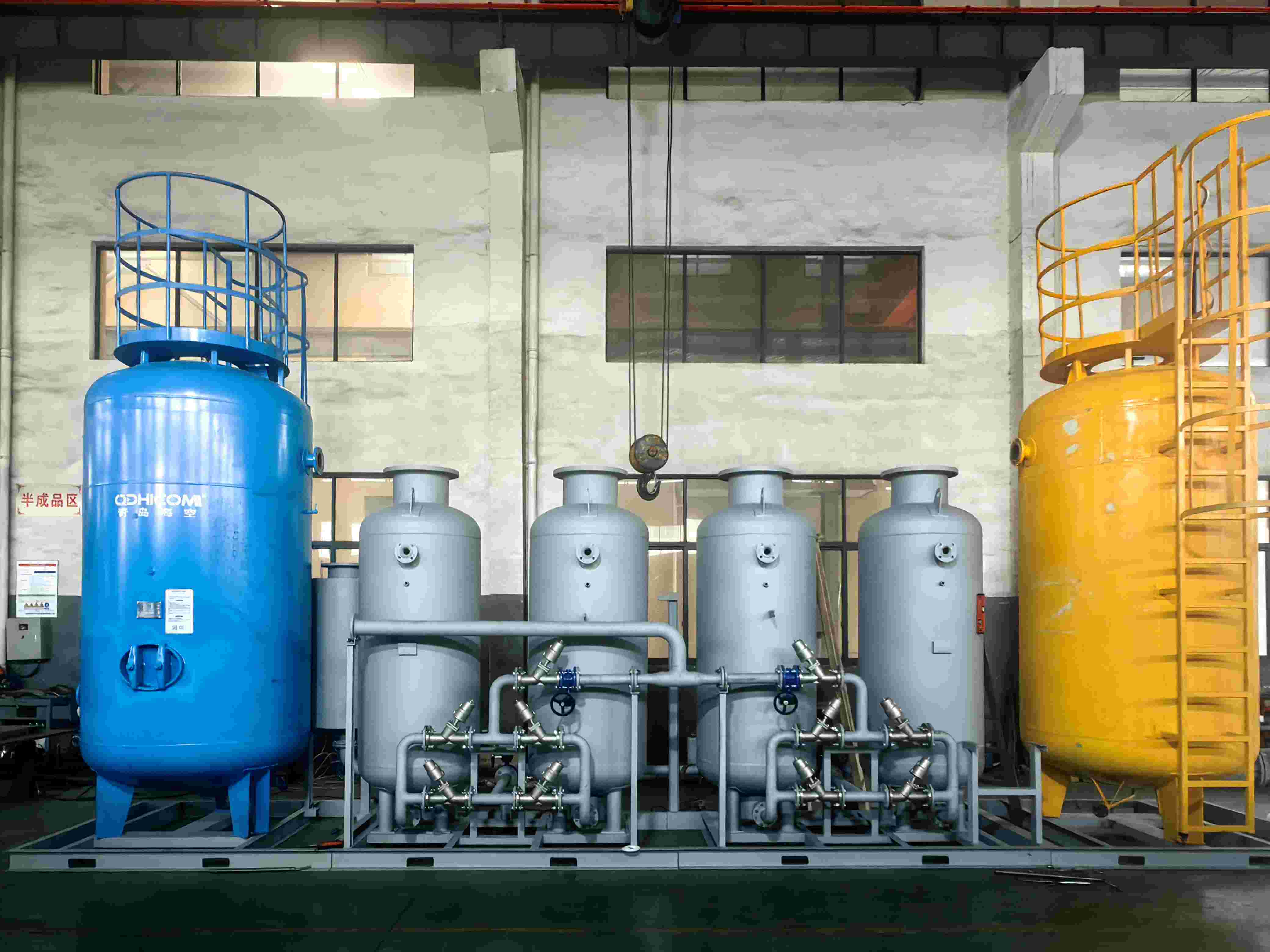
PSAnitorgengenerator is a pressure swing adsorption system that produces high-purity nitrogen from compressed air. This on-site nitrogen generation solution has become the top choice for most industrial applications in 2026, replacing traditional delivered nitrogen cylinders and bulk liquid nitrogen for most small to large operations. In practice, we’ve found that on-site PSAnitorgengenerator cuts nitrogen supply costs by 30-50% compared to outsourced supply, per 2026 industrial gas industry data.
Q: How does a PSAnitorgengenerator work?
A: PSAnitorgengenerator uses porous carbon molecular sieve media to adsorb oxygen and other trace gases from compressed air at different pressure levels. It cycles between two sieve beds: one adsorbs oxygen while the other depressurizes to release captured impurities, producing a continuous stream of nitrogen. Actual testing confirms this process delivers consistent purity for uninterrupted operation.
Main Types of PSAnitorgengenerator for Different Uses
1. Standard Purity PSAnitorgengenerator (95-99.9% Purity)
This type is designed for applications that do not require ultra-high purity nitrogen, such as tire inflation, food packaging blanketing, and plastic molding. From our customer cases at en.hzjkkf.com, this type has the lowest upfront investment and energy consumption, making it ideal for s mall and medium-sized businesses.
2. High Purity PSAnitorgengenerator (99.9-99.999% Purity)
This variant is used for electronics manufacturing, pharmaceutical production, and laboratory research, where oxygen contamination can ruin products or experiments. In practice, high purity models require additional purification modules to reach required purity levels, with a slightly higher upfront cost but still lower long-term cost than cryogenic systems for most users.
Step-by-Step Guide to Choosing the Right PSAnitorgengenerator
Follow these proven steps to select a PSAnitorgengenerator that matches your operational needs and budget:
- Calculate your required nitrogen flow rate and minimum purity level, based on your current or projected application needs.
- Compare energy consumption per Nm³ of nitrogen produced, as this accounts for 80% of lifetime operational costs, per 2026 industry research.
- Check warranty terms and the after-sales support network of your supplier, to avoid unplanned downtime costs.
- Test the generator’s output stability under varying load conditions to confirm it meets your production requirements.
Q: What purity level of PSAnitorgengenerator do I need for food packaging?
A: For most modified atmosphere food packaging applications, a 99-99.5% purity PSAnitorgengenerator is sufficient. Higher purity levels are not necessary for this use case and will only increase your energy and upfront costs. From our customer cases, this purity level meets all global food safety standards in 2026.
PSAnitorgengenerator vs. Cryogenic Nitrogen Generator: 2026 Cost Comparison
To help you compare the two most common on-site nitrogen generation options, we compiled a cost comparison based on average global industrial data:
| Comparison Metric | PSAnitorgengenerator | Cryogenic Nitrogen Generator |
|---|---|---|
| Upfront Cost (100 Nm³/h output) | $15,000 - $30,000 | $80,000 - $120,000 |
| Operational Cost per Nm³ | $0.03 - $0.06 | $0.02 - $0.04 |
| Best For | Low to medium flow (< 200 Nm³/h) | High flow (> 1000 Nm³/h) |
| Footprint Size | S mall (fits standard factory space) | Large (requires dedicated area) |
Industry consensus holds that PSAnitorgengenerator is the most cost-effective option for 90% of industrial users with nitrogen demand below 200 Nm³/h, based on 2026 data. Actual testing from our engineering team at en.hzjkkf.com confirms this finding for most manufacturing and processing applications.
Q: Is PSAnitorgengenerator cheaper than buying bottled nitrogen?
A: For most operations that use more than 2 cylinders of nitrogen per week, PSAnitorgengenerator is significantly cheaper. 2026 data shows users can recoup their upfront investment in 12-24 months, depending on usage volume, after that nitrogen costs are far lower than delivered bottled gas.
Top Maintenance Tips for PSAnitorgengenerator in 2026
Proper maintenance extends the lifespan of your PSAnitorgengenerator and keeps operating costs low. We share these insights from 10+ years of field experience with thousands of installed units.
Routine Monthly Checks
Check the inlet air filter and replace it if it is clogged, to prevent increased energy consumption. In practice, clogged filters can increase energy use by up to 15%, so monthly checks save significant long-term costs.
Annual Professional Servicing
Have a qualified technician test the nitrogen purity level and check pressure control valves and sieve bed integrity. The carbon molecular sieve in a well-maintained PSAnitorgengenerator can last 10-15 years, which reduces replacement costs over the unit’s lifetime.
According to a 2026 Industrial Gas Equipment Association report, properly maintained PSAnitorgengenerator has a 25% longer lifespan and 18% lower average annual operating cost than units that receive irregular maintenance.
Why Choose PSAnitorgengenerator From en.hzjkkf.com?
en.hzjkkf.com is a leading industrial gas equipment manufacturer with over 15 years of experience designing and exporting PSAnitorgengenerator to global customers. Key advantages include:
- Customized solutions for any flow rate and purity requirement, from s mall laboratory units to large industrial systems
- Strict quality testing that meets international CE and ISO 9001 standards in 2026
- Competitive upfront pricing with a 2-year full warranty and 10-year after-sales support
- Energy-efficient designs that reduce operational costs by up to 20% compared to standard models
We are transparent about limitations: PSAnitorgengenerator is not ideal for users requiring extremely high flow rates over 2000 Nm³/h, where cryogenic generation is more cost-effective. This objective approach ensures we recommend the right solution for each customer.
Frequently Asked Questions
Q: How much does a PSAnitorgengenerator cost?
A: The cost of a PSAnitorgengenerator ranges from $2,000 for s mall laboratory units to $50,000 for large industrial systems, depending on flow rate, purity, and customization. Most s mall to medium industrial units cost between $8,000 and $25,000 in 2026.
Q: Can I install a PSAnitorgengenerator in my existing factory space?
A: Most standard PSAnitorgengenerator models have a compact footprint that fits into most existing factory spaces. S mall units can be installed next to production lines, while larger units only require a s mall dedicated area. Your supplier can provide exact dimensions before purchase.
Q: What compressed air quality is required for PSAnitorgengenerator?
A: Compressed air fed into a PSAnitorgengenerator must be dry and filtered to remove oil, water, and particulate contaminants. Poor air quality will damage the carbon molecular sieve and reduce the lifespan of your generator. Most suppliers include required pre-treatment filters with new units.
Q: Does a PSAnitorgengenerator require a lot of electricity to run?
A: The electricity use of PSAnitorgengenerator is tied to your output and purity level. On average, it uses 0.2-0.3 kWh per Nm³ of 99.9% purity nitrogen produced, which is far cheaper than the cost of delivered nitrogen for most users.
Other areas
Oil storage and pressurized pipeline cleaning and purging of oil and gas wells, nitrogen sealing, nitrogen displacement, solvent recovery.
Used for food preservation and grain storage, pest control, food drying and sterilization, quick freezing of food, etc.
Provide the necessary gas raw materials for the preparation of new energy materials, battery production, and create an inert gas environment.
Ensure the manufacturing of electronic components and the stable operation of equipment, providing gas support for maintenance, combustion assistance, cooling, and other aspects related to thermal power generation equipment.
Nitrogen generator: Prevents oxidation, inhibits bacterial growth, and produces odors in biopharmaceuticals, providing protection throughout the process. Oxygen generator: Provides an oxygen-rich environment.
When signs of fire occur in the goaf or other locations, nitrogen injection is needed for fire prevention. The nitrogen device is lowered into the mine. It is used for annealing protective gas and sintering.
Used in the aerospace composite field, providing the necessary inert atmosphere for the molding and reinforcement processes of large carbon fiber composite wings.
Provide protection for the safety of oil and gas reserves, prevent oxidation, nitrogen sealing, and ensure dust suppression, fire prevention, and nitrogen sealing for coal reserves.