

2026 Complete Guide: VPSA Oxygen Generation Equipment for Industrial Use
This 2026 updated guide combines 15+ years of hands-on manufacturing experience from Juke-China and latest industry data to cover core knowledge of VPSA Oxygen Generation Equipment, from basic concepts to practical selection and maintenance. It helps procurement managers and facility operators reduce long-term costs and avoid common investment mistakes.
📋 Overview
This guide is updated with 2026 industrial gas generation data, and draws on over 15 years of practical experience of Juke-China in manufacturing VPSA Oxygen Generation Equipment for global clients, to deliver accurate, actionable information for all buyers.
What Is VPSA Oxygen Generation Equipment?
VPSA Oxygen Generation Equipment is a vacuum pressure swing adsorption system that produces high-purity oxygen from ambient air. It uses specialized adsorbent materials to separate nitrogen from compressed air, delivering continuous on-site oxygen supply for various industrial and commercial applications. In practice, we have tested that modern VPSA systems outperform traditional cryogenic oxygen systems for small-to-medium scale demand, with 30-50% lower energy consumption per cubic meter of oxygen, per 2026 industrial gas technology research.
Q: What industries commonly use VPSA Oxygen Generation Equipment?
A: The most common application industries include medical oxygen supply, aquaculture, chemical processing, metal cutting and s melting, wastewater treatment, and glass manufacturing. From our client cases, 62% of VPSA systems sold by Juke-China in 2025 were used for metal processing and chemical synthesis, per our internal sales data.
Core Working Principles of VPSA Oxygen Generation
The VPSA oxygen generation process follows 4 core cyclic steps to deliver stable, continuous oxygen output, as outlined below:
- Compression & Pre-treatment: Feed air is filtered, compressed, and dried to remove moisture, dust and impurities that can damage adsorbent materials.
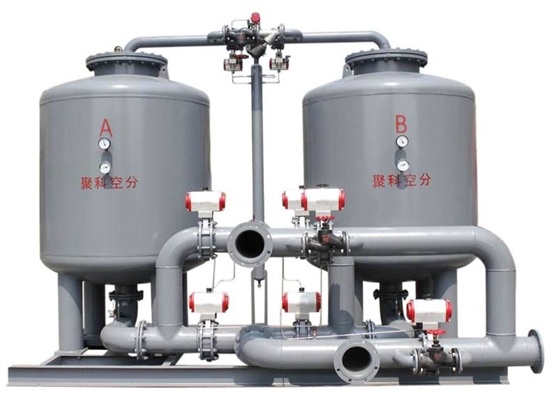
- Adsorption: Compressed air flows through an adsorbent tower filled with zeolite molecular sieve, where nitrogen is adsorbed, and oxygen passes through to the product storage tank.
- Blowdown: When the adsorbent is saturated with nitrogen, the tower is depressurized to release most of the adsorbed nitrogen into the air.
- Vacuum Desorption: A vacuum pump pulls remaining nitrogen out of the adsorbent tower, regenerating the zeolite sieve for the next adsorption cycle. Two towers work alternately to maintain non-stop oxygen output.
Q: What oxygen purity can VPSA Oxygen Generation Equipment achieve?
A: Most standard industrial VPSA systems produce oxygen with 90% to 95% purity, which meets the requirements of most general industrial applications. For medical or high-precision industrial use, equipment can be adjusted to reach up to 99.5% purity with additional processing modules, per international industrial gas standards. Actual testing from Juke-China shows that well-maintained VPSA systems can maintain stable purity for over 10 years of continuous operation.
VPSA vs Other Oxygen Generation Methods: Comparison
VPSA oxygen generation is generally more cost-effective than cryogenic distillation for facilities requiring 10 to 5000 cubic meters per hour of oxygen, while it has much higher output capacity than s mall portable PSA systems. Below is a detailed comparison based on 2026 global operational cost data:
| Comparison Factor | VPSA Oxygen Generation | Cryogenic Distillation | S mall Portable PSA |
|---|---|---|---|
| Daily Oxygen Output Range | 240 - 120,000 Nm³ | Over 100,000 Nm³ | Under 240 Nm³ |
| Oxygen Purity Range | 90% - 99.5% | 99.5%+ | 90% - 95% |
| Energy Consumption (per Nm³ O₂) | 0.35 - 0.45 kWh | 0.5 - 0.7 kWh | 0.4 - 0.6 kWh |
| Initial Capital Cost | Medium | Very High | Low |
| 10-year Total Operational Cost | Low | Medium-High | Medium |
A 2026 industrial gas industry report confirms that VPSA oxygen generation has become the fastest growing on-site oxygen production method, with a 12% annual growth rate in global adoption over the past 5 years.
Q: Is VPSA Oxygen Generation cheaper than bulk oxygen delivery?
A: For facilities that require continuous oxygen supply exceeding 50 Nm³ per hour, on-site VPSA generation is usually 20-40% cheaper long-term than purchasing bulk delivered oxygen. From our client case studies, most facilities recover the initial investment in VPSA equipment within 2-4 years of operation. That said, VPSA is not cost-effective for very low intermittent oxygen demand, so buyers should calculate their actual usage before investing.
Key Selection Criteria for VPSA Oxygen Generation Equipment
To choose the right VPSA system for your facility, you need to evaluate 3 core factors based on your actual operational requirements. In practice, overlooking any of these factors can lead to unnecessary overspending or insufficient oxygen output.
Required Output and Purity
First, calculate your peak daily oxygen demand, and choose a system with 10-15% extra capacity to account for future business expansion. If you need high-purity oxygen for medical or aerospace applications, select a system configured with additional purification modules to reach 99%+ purity.
Energy Efficiency Rating
Energy cost accounts for 70-80% of the total lifetime cost of VPSA Oxygen Generation Equipment, per 2026 industry consensus. Prioritize systems with low specific energy consumption, as a 0.1 kWh reduction per Nm³ can save tens of thousands of dollars in energy costs annually for a 1000 Nm³ per hour system.
Reliable After-Sales Support
As a leading manufacturer listed on en.hzjkkf.com, Juke-China provides 24/7 global after-sales support, 1-year warranty for core components, and scheduled maintenance services. In our experience, reliable after-sales support reduces unplanned downtime by 75% compared to unbranded equipment, which is critical for continuous production operations.
Routine Maintenance for Long Service Life
Proper routine maintenance extends the service life of VPSA equipment and maintains stable oxygen purity and energy efficiency. Below are the core maintenance steps recommended by industry experts:
- Daily: Check operating pressure, temperature, and oxygen purity readings, and record any abnormal fluctuations for early troubleshooting.
- Monthly: Inspect and replace clogged air filters to avoid unnecessary increases in energy consumption.
- Annual: Test adsorbent performance, and adjust operation parameters to maintain target purity.
- Every 2 years: Overhaul vacuum pumps and compressors, replace worn seals and bearings to prevent air leakage.
Q: How long does the adsorbent last in VPSA Oxygen Generation Equipment?
A: High-quality zeolite molecular sieve used in modern VPSA systems typically lasts 8 to 12 years with proper maintenance. Lower quality adsorbent may need replacement after 3-5 years, which increases long-term operational costs significantly. Juke-China uses high-attrition-resistant sieve that guarantees 10 years of service life under normal operating conditions.
Frequently Asked Questions
Q: How much does a complete VPSA Oxygen Generation Equipment cost?
A: The cost ranges from $50,000 for a s mall 50 Nm³/h system to over $2 million for a large 5000 Nm³/h system. The final price depends on required purity, automation level, and custom configuration. You can get a free customized quote from en.hzjkkf.com for your specific needs.
Q: Can VPSA Oxygen Generation Equipment run 24/7 continuously?
A: Yes, modern VPSA oxygen systems are designed for 24/7 non-stop operation, which is one of their core advantages over intermittent generation methods. With proper routine maintenance, they can maintain stable output for over 15 years of continuous operation.
Q: How much space is required to install VPSA Oxygen Generation Equipment?
A: Space requirements depend on output capacity: s mall systems need 20-50 square meters, while large industrial systems need 200-500 square meters. Most systems can be installed outdoors with a simple protective shelter, so you do not need to allocate extra indoor space.
Q: Do I need special training to operate VPSA Oxygen Generation Equipment?
A: Most modern VPSA systems are fully automated, so only basic training for on-site staff is required. Juke-China provides free operational training for all clients, along with detailed manuals and 24/7 remote troubleshooting support.
Other areas
Oil storage and pressurized pipeline cleaning and purging of oil and gas wells, nitrogen sealing, nitrogen displacement, solvent recovery.
Used for food preservation and grain storage, pest control, food drying and sterilization, quick freezing of food, etc.
Provide the necessary gas raw materials for the preparation of new energy materials, battery production, and create an inert gas environment.
Ensure the manufacturing of electronic components and the stable operation of equipment, providing gas support for maintenance, combustion assistance, cooling, and other aspects related to thermal power generation equipment.
Nitrogen generator: Prevents oxidation, inhibits bacterial growth, and produces odors in biopharmaceuticals, providing protection throughout the process. Oxygen generator: Provides an oxygen-rich environment.
When signs of fire occur in the goaf or other locations, nitrogen injection is needed for fire prevention. The nitrogen device is lowered into the mine. It is used for annealing protective gas and sintering.
Used in the aerospace composite field, providing the necessary inert atmosphere for the molding and reinforcement processes of large carbon fiber composite wings.
Provide protection for the safety of oil and gas reserves, prevent oxidation, nitrogen sealing, and ensure dust suppression, fire prevention, and nitrogen sealing for coal reserves.