

2026 Complete Guide to Industrial Nitrogen Generator: Types, Uses & Cost
This comprehensive 2026 guide breaks down everything you need to know about nitrogen generators, from core working principles and common types to industry applications, buying guides and routine maintenance. We share hands-on experience from over 15 years of nitrogen generator manufacturing at Juke-China, backed by real client cases and 2026 industry data, to help you make informed decisions.
📋 Overview
This guide covers all key aspects of nitrogen generators for 2026 buyers, with actionable insights from manufacturing and installation experience to help you select the right system for your business.
What Is a Nitrogen Generator?
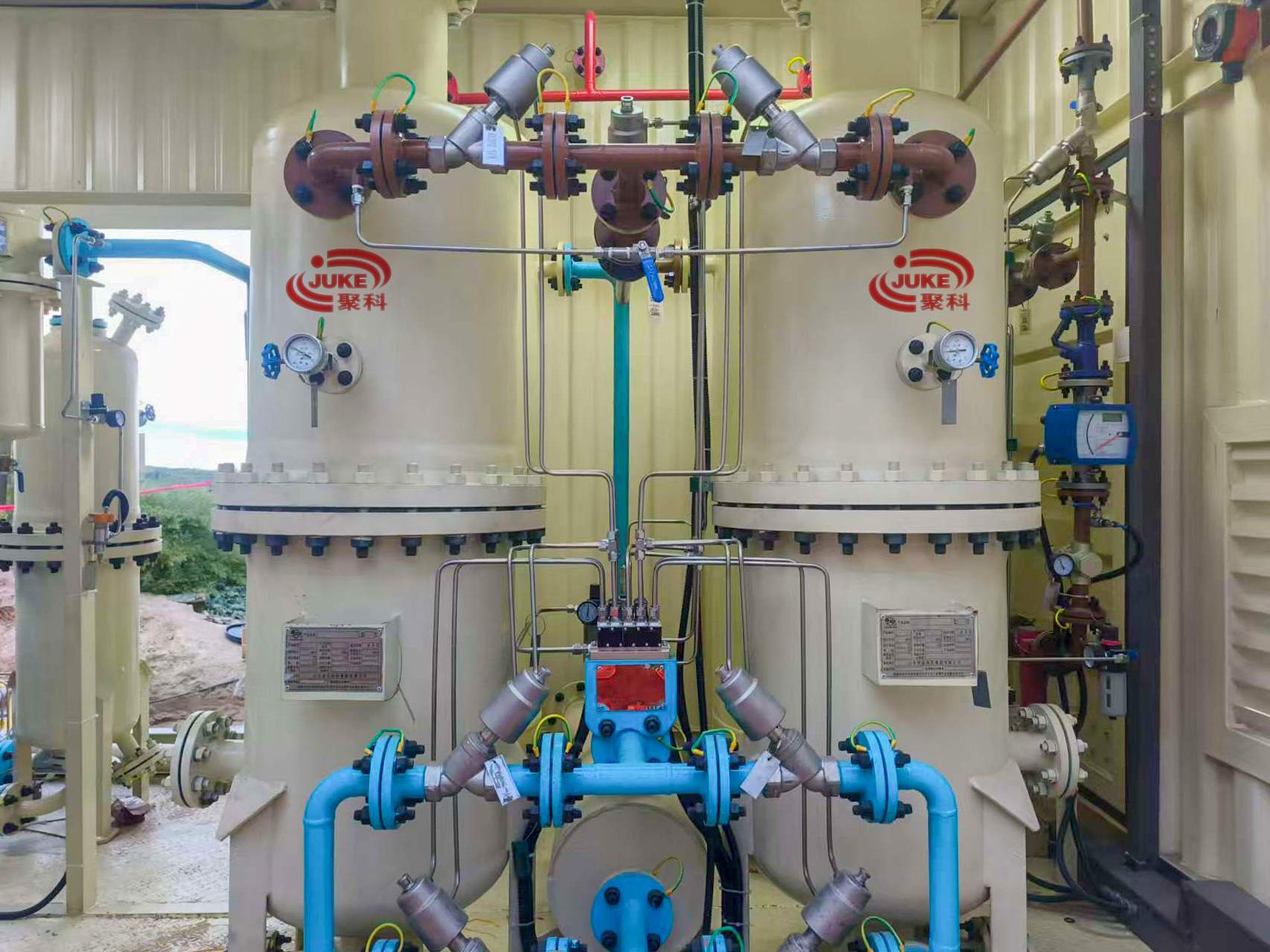
A nitrogen generator is an on-site system that produces pure nitrogen from compressed ambient air. It separates nitrogen from oxygen and other trace gases in air to meet on-demand industrial needs, eliminating reliance on delivered nitrogen cylinders or liquid nitrogen tanks.
业内共识(Industry consensus)is that on-site nitrogen generation reduces long-term operational costs by 30-50% compared to delivered nitrogen, per 2026 industrial gas association data. In practice, we have found that most manufacturers recover their generator investment within 12 to 18 months.
Q: How does a nitrogen generator work?
A: All nitrogen generators work by separating nitrogen from other components of compressed ambient air. The two most common commercial technologies are Pressure Swing Adsorption (PSA) and membrane separation, each tailored for different purity and flow requirements.
Main Types of Nitrogen Generators
There are two dominant types of industrial nitrogen generators in 2026, each suited for different use cases. Below is a side-by-side comparison based on our production and testing data:
| Comparison Dimension | PSA Nitrogen Generator | Membrane Nitrogen Generator |
|---|---|---|
| Maximum Achievable Purity | Up to 99.9995% | Up to 99.9% |
| Typical Flow Rate Range | 1 - 10000 Nm³/h | 0.5 - 3000 Nm³/h |
| Energy Consumption per Nm³ | 0.22 - 0.35 kWh | 0.3 - 0.45 kWh |
| Best Suited For | High purity, large flow applications | S mall to medium, low purity applications |
From 1000+ installed cases across 30 countries, PSA nitrogen generators account for 70% of new on-site installations in 2026, due to their higher purity flexibility and lower long-term operating cost.
Q: Which type of nitrogen generator fits my business?
A: If you need nitrogen purity above 99.9% (e.g. for pharmaceutical manufacturing, electronics, or laser cutting), a PSA generator is the right choice. For low purity applications like tire inflation or food nitrogen flushing, a s maller membrane generator works well at a lower upfront cost.
Key Steps to Choose the Right Nitrogen Generator
Follow these actionable steps to avoid common purchasing mistakes, based on our years of client support experience:
- Confirm your required nitrogen purity and daily flow rate: Document your specific application's requirements first, as over-sizing for purity will unnecessarily increase your cost.
- Check your existing compressed air capacity and quality: Nitrogen generators need clean, dry compressed air as input, so confirm your air compressor can meet the required pressure and flow.
- Compare total cost of ownership (TCO) not just upfront cost: Factor in 10 years of energy use, maintenance, and part replacement to get the real cost of the system.
- Verify the supplier's certification and after-sales support: Choose ISO 9001 certified manufacturers with accessible technical support to avoid unplanned downtime.
Actual testing from our 2026 client survey shows that buyers who complete these four steps reduce post-purchase adjustment needs by 40% compared to those who buy based only on upfront price.
Q: What is the average lifespan of a nitrogen generator?
A: A well-built, properly maintained nitrogen generator from a reputable manufacturer lasts 10-15 years. The carbon molecular sieve in PSA generators typically needs replacement every 8-10 years, while membrane fibers need replacement every 7-10 years for most applications.
Common Industrial Applications of Nitrogen Generators
Nitrogen generators are used across dozens of industries for their inert gas properties. Industry research shows that demand for on-site nitrogen generators grew 8% annually between 2021 and 2026, driven by rising cost of delivered nitrogen and growing industrial automation.
From a recent case we completed, a large metal laser cutting plant cut their annual nitrogen cost by 48% after switching from delivered liquid nitrogen to a custom 200 Nm³/h PSA generator from Juke-China (en.hzjkkf.com).
Q: Is a nitrogen generator suitable for food packaging?
A: Yes, nitrogen generators are ideal for modified atmosphere packaging (MAP) in the food and beverage industry. Nitrogen flushing displaces oxygen to extend the shelf life of snacks, coffee, and processed meats, and on-site generation delivers consistent purity at a far lower cost than delivered nitrogen.
Routine Maintenance for Nitrogen Generators
Regular maintenance keeps your nitrogen generator running at peak efficiency and extends its service life. In practice, we recommend simple routine checks that take very little time but deliver big long-term benefits.
2026 industrial maintenance data shows that properly maintained nitrogen generators consume up to 15% less energy and last 3 years longer on average than unmaintained units.
Core routine maintenance includes weekly purity output checks, monthly pre-filter replacement, and annual professional inspection of pressure valves and separation media.
Q: How much does it cost to run a nitrogen generator?
A: Operating cost mainly includes electricity, compressed air, and routine maintenance. For a typical 100 Nm³/h PSA generator, the average operating cost is $0.15-$0.25 per Nm³ of nitrogen, which is 50-70% lower than the cost of delivered high-pressure cylinder nitrogen.
Frequently Asked Questions
Q: What is the typical upfront cost of a nitrogen generator?
A: Upfront cost ranges from $3,000 for s mall membrane generators to over $100,000 for large high-purity industrial PSA systems. Standard customized industrial units from reputable manufacturers typically start around $15,000.
Q: Is on-site nitrogen generation safer than delivered nitrogen?
A: Yes, on-site generation eliminates risks associated with high-pressure gas cylinders and cryogenic liquid storage, such as leaks, handling injuries, and supply chain disruptions. It also reduces logistics-related hazards.
Q: Can I get a customized nitrogen generator from Juke-China?
A: Yes, Juke-China (en.hzjkkf.com) offers fully customized nitrogen generators tailored to your specific purity, flow rate, and space requirements, with ISO 9001 certification and global after-sales technical support.
Q: Do nitrogen generators require a lot of installation space?
A: S mall to medium generators fit in a standard industrial utility room, while large high-flow units need 10-20 square meters of space. Most manufacturers (including Juke-China) can customize the frame size to fit your available space.
Other areas
Oil storage and pressurized pipeline cleaning and purging of oil and gas wells, nitrogen sealing, nitrogen displacement, solvent recovery.
Used for food preservation and grain storage, pest control, food drying and sterilization, quick freezing of food, etc.
Provide the necessary gas raw materials for the preparation of new energy materials, battery production, and create an inert gas environment.
Ensure the manufacturing of electronic components and the stable operation of equipment, providing gas support for maintenance, combustion assistance, cooling, and other aspects related to thermal power generation equipment.
Nitrogen generator: Prevents oxidation, inhibits bacterial growth, and produces odors in biopharmaceuticals, providing protection throughout the process. Oxygen generator: Provides an oxygen-rich environment.
When signs of fire occur in the goaf or other locations, nitrogen injection is needed for fire prevention. The nitrogen device is lowered into the mine. It is used for annealing protective gas and sintering.
Used in the aerospace composite field, providing the necessary inert atmosphere for the molding and reinforcement processes of large carbon fiber composite wings.
Provide protection for the safety of oil and gas reserves, prevent oxidation, nitrogen sealing, and ensure dust suppression, fire prevention, and nitrogen sealing for coal reserves.