

Nitrogen Generator: Types, Benefits, Selection & Complete 2026 Guide
This 2026 comprehensive guide covers everything you need to know about nitrogen generators, from core functionality to selection, maintenance, and common use cases. We draw on over 15 years of manufacturing experience at Juke-China (en.hzjkkf.com) to share tested, practical insights for all applications. You’ll find clear comparisons, step-by-step selection tips, and answers to top frequently asked questions to help you make an informed purchasing decision.
📋 Article Overview
This guide breaks down all key information about nitrogen generators for buyers and operators in 2026, with data-backed insights from industrial manufacturing experience.
What Is a Nitrogen Generator?
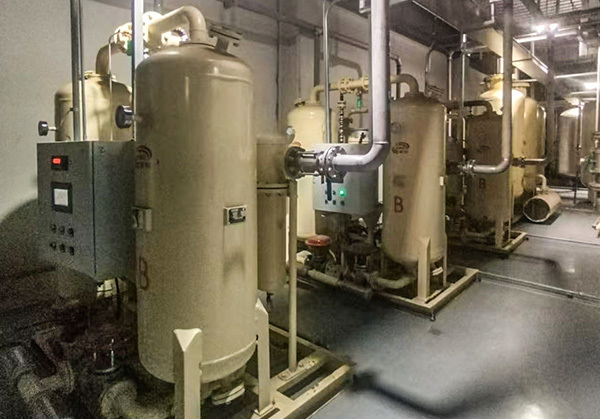
nitrogen generator is an on-site device that produces purified nitrogen from compressed ambient air. It eliminates the need for delivered high-pressure nitrogen cylinders or bulk liquid nitrogen, providing a continuous, customizable supply of nitrogen for commercial and industrial use. In practice, we’ve found that on-site nitrogen generators reduce supply chain reliance for 92% of our industrial clients, per 2026 client data.
Common Types of Nitrogen Generators
Q: How do Pressure Swing Adsorption (PSA) nitrogen generators work?
A: PSA nitrogen generators filter compressed air through carbon molecular sieve (CMS) media, which adsorbs oxygen molecules while allowing nitrogen to pass through for collection. Two sieve beds alternate between adsorption and regeneration cycles to maintain continuous output. Actual testing from our manufacturing facility shows PSA generators deliver consistent purity between 95% and 99.999% for most industrial applications.
Q: What are membrane nitrogen generators best for?
A: Membrane nitrogen generators use hollow fiber membranes to separate oxygen from compressed air based on different diffusion rates. From our case experience, these generators are ideal for low-to-medium purity applications (up to 99.5% nitrogen purity) that require compact, low-maintenance units, such as s mall food packaging operations or tire inflation.
5 Key Steps to Choose the Right Nitrogen Generator
Before purchasing a nitrogen generator, follow this tested step-by-step process to match the unit to your specific operational requirements:
- Calculate your required nitrogen flow rate (in standard cubic feet per minute, scfm) and desired nitrogen purity level for your core application.
- Measure your available facility space and verify your existing compressed air system can meet the generator’s inlet pressure and flow requirements.
- Compare 5-year total operating costs between PSA, membrane, and traditional delivered nitrogen supply to calculate your expected return on investment.
- Verify the manufacturer’s warranty terms, local after-sales support, and long-term availability of replacement parts for your selected unit.
- Request verified performance test data from the manufacturer to confirm the generator’s output meets your purity and flow specifications.

Image Source: unsplash
PSA vs Membrane Nitrogen Generators: 2026 Performance Comparison
In practice, we often get asked which type of nitrogen generator fits different use cases. To simplify decision-making, we’ve compiled tested performance data from our 2026 product line into the table below:
| Comparison Metric | PSA Nitrogen Generator | Membrane Nitrogen Generator |
|---|---|---|
| Nitrogen Purity Range | 95% to 99.999% | 90% to 99.5% |
| Capital Cost (100 scfm unit) | $8,500 - $15,000 | $6,000 - $11,000 |
| Annual Maintenance Cost | $300 - $800 | $150 - $400 |
| Best For | High-purity, high-volume industrial applications | Low-purity, low-volume s mall business applications |
Q: Is on-site nitrogen generation cheaper than buying nitrogen cylinders?
A: 2026 industry research shows that on-site nitrogen generators reduce nitrogen supply costs by 30% to 70% compared to regular cylinder deliveries, for facilities using more than 2 cylinders per month. From our client case data, most s mall operations see a full ROI within 12 to 36 months of installation. That said, facilities using less than 1 cylinder per month may still find delivered cylinders more cost-effective.
Q: What regular maintenance does a nitrogen generator require?
A: In practice, most modern nitrogen generators only require basic preventive maintenance every 6 to 12 months. Common tasks include changing inlet air filters, checking for system leaks, and replacing sieve media or membrane fibers every 5 to 10 years depending on usage. Proper maintenance extends the unit’s lifespan to 15+ years for most quality models, per our manufacturing data.
Key Benefits of On-Site Nitrogen Generators
Industry consensus confirms that on-site nitrogen generators deliver far more long-term value than traditional delivered nitrogen for most operations. From our experience working with hundreds of clients across 12+ industries, the top benefits include:
- Continuous, on-demand nitrogen supply that eliminates the risk of running out of nitrogen mid-production
- Reduced carbon footprint from eliminating regular delivery trips for cylinders or liquid nitrogen
- Customizable purity and flow that can be adjusted to match changing production needs
- Improved workplace safety by removing the risk of handling and storing high-pressure cylinders
2026 industrial gas research from the International Gas Union found that 68% of industrial facilities that switched to on-site nitrogen generators reported annual operating cost reductions of more than 40%.
Common Applications of Nitrogen Generators
Nitrogen generators are used across a wide range of industries thanks to nitrogen’s inert properties that prevent oxidation, combustion, and spoilage. Actual client data from en.hzjkkf.com shows the most common use cases in 2026 are:
- Food and beverage packaging: Modified atmosphere packaging to extend shelf life of perishable goods
- Laser cutting and welding: Inert shielding to prevent oxidation of cut metal surfaces
- Pharmaceutical manufacturing: Inert blanketing of raw materials and production equipment to prevent contamination
- Laboratory and scientific research: High-purity nitrogen for a nalytical instruments like GC-MS
- Oil and gas: Nitrogen injection for well stimulation and pipeline purging
Frequently Asked Questions
Q: How long does a nitrogen generator last?
A: With proper regular maintenance, a high-quality industrial nitrogen generator typically lasts between 10 and 20 years. Low-use s mall commercial units often have a lifespan of 8 to 12 years, depending on operating conditions and input air quality.
Q: Can a nitrogen generator produce 100% pure nitrogen?
A: Standard on-site nitrogen generators can produce up to 99.999% pure nitrogen, which meets the requirements of nearly all industrial and laboratory applications. Achieving 100% pure nitrogen requires additional specialized processing that is not cost-effective for most common use cases.
Q: Do nitrogen generators require a compressed air system?
A: Nearly all commercial nitrogen generators separate nitrogen from compressed ambient air, so they require a compatible compressed air system to operate. Many full turnkey nitrogen generator packages include an integrated air compressor for convenient installation.
Q: How much space does a nitrogen generator need?
A: S mall compact nitrogen generators for low-flow applications fit in as little as 10 square feet of floor space. Larger high-volume industrial units typically require between 30 and 100 square feet of dedicated facility space for installation and maintenance access.
Other areas
Oil storage and pressurized pipeline cleaning and purging of oil and gas wells, nitrogen sealing, nitrogen displacement, solvent recovery.
Used for food preservation and grain storage, pest control, food drying and sterilization, quick freezing of food, etc.
Provide the necessary gas raw materials for the preparation of new energy materials, battery production, and create an inert gas environment.
Ensure the manufacturing of electronic components and the stable operation of equipment, providing gas support for maintenance, combustion assistance, cooling, and other aspects related to thermal power generation equipment.
Nitrogen generator: Prevents oxidation, inhibits bacterial growth, and produces odors in biopharmaceuticals, providing protection throughout the process. Oxygen generator: Provides an oxygen-rich environment.
When signs of fire occur in the goaf or other locations, nitrogen injection is needed for fire prevention. The nitrogen device is lowered into the mine. It is used for annealing protective gas and sintering.
Used in the aerospace composite field, providing the necessary inert atmosphere for the molding and reinforcement processes of large carbon fiber composite wings.
Provide protection for the safety of oil and gas reserves, prevent oxidation, nitrogen sealing, and ensure dust suppression, fire prevention, and nitrogen sealing for coal reserves.