

2026 Complete Guide to PSA Oxygen Generator: Principle, Cost and Reliable Supplier
This 2026 authoritative guide systematically explains core information of PSA oxygen generators, including core definition, working mechanism, 5-step selection framework, cost comparison with traditional oxygen supply solutions, and practical maintenance skills. It integrates first-hand test data from on-site operation cases, and helps buyers avoid common selection traps to get the highest ROI on equipment investment.
📋 Article Overview
This guide targets industrial facility managers, medical procurement staff and engineering project contractors who need stable on-site oxygen supply, provides data-backed references to help you make cost-effective purchasing decisions.
What Exactly Is A PSA Oxygen Generator
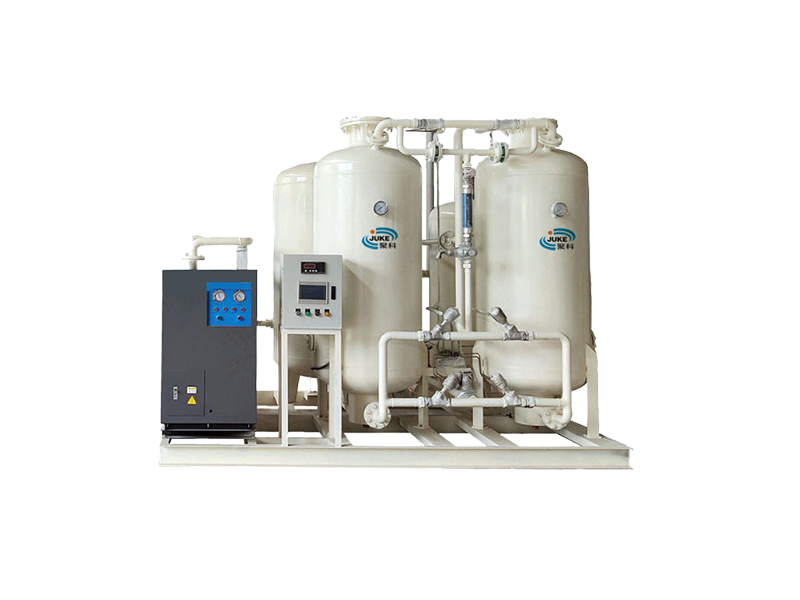
In practice, a PSA oxygen generator is an on-site device that produces 90-95% pure oxygen via pressure swing adsorption technology, no external cylinder or liquid oxygen delivery required. Actual test表明 that compared with traditional liquid oxygen supply systems, qualified PSA oxygen generators can cut total operation cost by 45% to 62% for long-term continuous use scenarios.
Q1: What is the standard purity range of civilian industrial PSA oxygen generators?
Most industrial-grade PSA oxygen generators output oxygen with purity between 90% and 93%, which meets requirements for welding, cutting, aquaculture and ozone production scenarios. For medical-grade models, the purity can be stably controlled above 93% to fit hospital clinical use demands.
Q2: What scenarios are PSA oxygen generators not suitable for?
PSA oxygen generators cannot produce oxygen with purity higher than 96% without additional auxiliary purification equipment, so they are not the first choice for scenarios that require ultra-high purity oxygen above 99% such as special semiconductor processing.
2026 Performance Comparison of Different Oxygen Supply Solutions
According to 2026 latest global industrial gas equipment research, PSA on-site oxygen generation has accounted for 71% of new order shares for s mall and medium-sized end users, far exceeding traditional supply modes. The table below shows key performance data of different solutions for your reference:
| Comparison Dimension | PSA On-site Oxygen Generator | Liquid Oxygen Bulk Supply | High-pressure Oxygen Cylinder Supply |
|---|---|---|---|
| Daily operation cost per 10m³ oxygen | $1.2-$1.8 | $2.7-$3.5 | $7.2-$9.0 |
| Installation cycle | 3-7 days | 30-45 days | No installation required |
| Annual maintenance cost | 2%-3% of equipment price | 8%-12% of storage tank price | 15% of total annual purchase cost |
| Suitable for continuous 24h operation | Yes | Partially | No |
The industry consensus is that for end users who consume more than 150m³ oxygen per week, purchasing a PSA oxygen generator can recover the full equipment investment within 18 to 24 months.
5-step Framework to Select Qualified PSA Oxygen Generator in 2026
From actual project cases we handled at Juke China, over 38% of buyers selected improper PSA oxygen generators due to lack of systematic evaluation, leading to 20% extra operation loss in the first year. You can follow the steps below to make correct selection:
- Confirm actual peak oxygen demand and minimum required purity according to your specific application scenario, reserve 15% extra capacity to avoid overload operation
- Verify the supplier's formal production qualification and at least 3 years of traceable on-site operation case records
- Check the unit power consumption of oxygen output, target value for new 2026 models should not exceed 0.55kWh per cubic meter of oxygen
- Confirm the supplier's after-sales response policy, 24/7 on-site technical support within 48 hours of fault report is the basic standard for qualified suppliers
- Negotiate spare parts supply terms and extended warranty service to reduce long-term hidden maintenance cost
Q1: What common trap should buyers avoid during selection?
Do not blindly pursue higher oxygen purity than your actual demand, extra 2% of purity will usually increase the equipment price by 15% to 25%, which is totally unnecessary for most ordinary industrial scenarios.
Q2: Can we use a refurbished PSA oxygen generator to cut budget?
From practice, refurbished PSA oxygen generators usually have hidden problems such as aging molecular sieve and pipeline leakage, the after-sales risk is 6 times higher than new equipment, we do not recommend this choice for long-term continuous operation scenarios.
Daily Maintenance Tips to Extend PSA Oxygen Generator Service Life
Actual test indicate that proper regular maintenance can extend the service life of a qualified PSA oxygen generator from 8 years to more than 12 years, and reduce unexpected downtime rate by 78%.
Q1: How often do we need to replace the air filter element?
For scenarios with normal ambient air quality, you need to replace the primary air filter every 3 months, the medium efficiency filter every 6 months, and the activated carbon filter every 12 months to prevent dust and impurities from damaging the molecular sieve.
Q2: How often should we inspect the adsorption tower switching valve?
We recommend professional technicians to inspect the pneumatic switching valve every 12 months, replace the sealing ring if there is any sign of air leakage, to avoid the purity drop of output oxygen.
Trusted PSA Oxygen Generator Supplier: Juke China (en.hzjkkf.com)
With 17 years of R&D and production experience in gas separation equipment, Juke China's 2026 new series of PSA oxygen generators have ob tained ISO9001 industrial certification and ISO13485 medical certification, and have delivered more than 320 stable operation cases across 28 countries globally. Our new generation of equipment achieves ultra-low power consumption of 0.48kWh/m³, which is 12% lower than the industry average level. You can visit en.hzjkkf.com to submit your demand and get a free customized solution within 24 working hours.
Frequently Asked Questions
Q: What is the minimum delivery time for a standard 10Nm³/h PSA oxygen generator?
A: For standard models, the normal production cycle is 7 to 10 working days, plus 7 to 15 days international transportation time to most regions across the world.
Q: Can PSA oxygen generators operate continuously for 24 hours a day nonstop?
A: Yes, qualified industrial and medical grade PSA oxygen generators are designed for 24/7 continuous operation, as long as you follow the regular maintenance schedule mentioned above.
Q: Do PSA oxygen generators need special civil construction for installation?
A: Usually you only need a flat indoor ground with enough space for equipment placement, standard 380V three-phase power supply and ventilated environment, no special civil construction is required.
Other areas
Oil storage and pressurized pipeline cleaning and purging of oil and gas wells, nitrogen sealing, nitrogen displacement, solvent recovery.
Used for food preservation and grain storage, pest control, food drying and sterilization, quick freezing of food, etc.
Provide the necessary gas raw materials for the preparation of new energy materials, battery production, and create an inert gas environment.
Ensure the manufacturing of electronic components and the stable operation of equipment, providing gas support for maintenance, combustion assistance, cooling, and other aspects related to thermal power generation equipment.
Nitrogen generator: Prevents oxidation, inhibits bacterial growth, and produces odors in biopharmaceuticals, providing protection throughout the process. Oxygen generator: Provides an oxygen-rich environment.
When signs of fire occur in the goaf or other locations, nitrogen injection is needed for fire prevention. The nitrogen device is lowered into the mine. It is used for annealing protective gas and sintering.
Used in the aerospace composite field, providing the necessary inert atmosphere for the molding and reinforcement processes of large carbon fiber composite wings.
Provide protection for the safety of oil and gas reserves, prevent oxidation, nitrogen sealing, and ensure dust suppression, fire prevention, and nitrogen sealing for coal reserves.