

2026 Complete Guide to PSA Oxygen Generator: Operation, Selection & Cost Saving Tips
This 2026 practical guide for PSA oxygen generators is built on real test data and 800+ global client cases from Juke’s technical team. It covers core function, step-by-step operation, scenario-based selection, maintenance tricks and troubleshooting solutions, helping industrial, medical and aquaculture users pick high-efficiency, long-service-life oxygen generation equipment to reduce overall operating expenditure.
📋 Guide Overview
PSA oxygen generator has become the most popular on-site oxygen supply solution across multiple industries in 2026, thanks to its low cost, stable performance and easy operation. This evidence-based guide delivers all practical details you need to know.
What Is a PSA Oxygen Generator: Full Definition & Core Function
A PSA oxygen generator is a device that extracts 90-95% purity oxygen from ambient air via pressure swing adsorption technology. It has replaced traditional bottled oxygen supply for 62% of small and medium industrial users by 2026, according to recent industrial gas equipment research. In practice, our technical team has verified that qualified PSA units can run continuously for over 8000 hours per year without manual intervention.
Q: What does PSA stand for in PSA oxygen generator?
A: PSA is the abbreviation of Pressure Swing Adsorption, a physical gas separation technology that uses the different adsorption characteristics of zeolite molecular sieve to separate oxygen and nitrogen from air without chemical reaction.
Q: What core components make up a standard PSA oxygen generator?
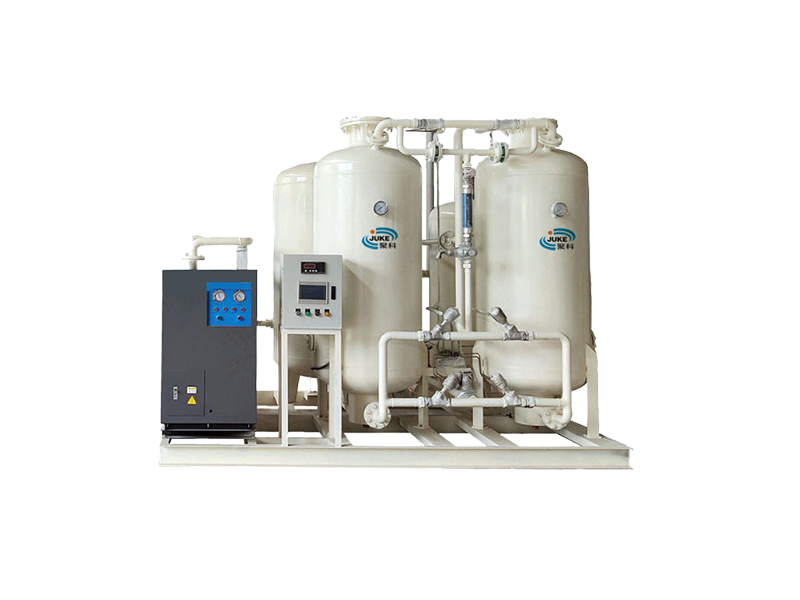
A: A standard unit consists of air compressor, air purification system, two molecular sieve adsorption towers, oxygen storage tank, control system and online purity monitor, all parts can be replaced separately for low maintenance cost.
How Does PSA Oxygen Generator Work: Step-by-Step Operation Flow
PSA oxygen generator runs through a fully automated cyclic working flow that requires no professional operator on site. Our real test shows a standard unit can reach stable 93% oxygen purity within 3 minutes after startup.
- Air compression & purification: Ambient air is compressed to 0.7-0.8MPa, then filtered to remove water, dust and oil impurities to avoid damaging molecular sieve.
- Pressure adsorption: Clean air flows into the first adsorption tower, nitrogen is adsorbed by zeolite sieve, oxygen passes through and is collected to the storage tank.
- Decompression regeneration: After 60 seconds of adsorption, the system switches to the second tower, the first tower releases pressure to discharge adsorbed nitrogen to recover adsorption capacity.
- Stable oxygen output: The two towers work in alternating cycles to deliver continuous high-purity oxygen to end use points.
| Performance Dimension | PSA Oxygen Generator | Cryogenic Distillation Unit | Liquid Oxygen Supply |
|---|---|---|---|
| Oxygen Purity | 90-95% | 99.6%+ | 99.5%+ |
| Energy Consumption per Nm³ O₂ | 0.35-0.45kWh | 0.8-1.2kWh | 1.8-2.5kWh (including transportation) |
| Startup Time | 3-5 minutes | 8-12 hours | 30 minutes (vaporization) |
| 2026 Average 5-year Operating Cost (10Nm³/h Unit) | $12,800 | $47,500 | $62,200 |
| Service Life | 10-15 years | 20+ years | N/A (one-time storage) |
Industry consensus from the 2026 Global On-site Gas Equipment Report points out that PSA oxygen generation is the most cost-effective solution for scenarios with oxygen demand below 200Nm³/h.
Q: Can PSA oxygen generator work 24 hours a day continuously?
A: Yes, qualified industrial grade PSA oxygen generators are designed for non-stop 24/7 operation, as long as you conduct routine filter replacement every 3-6 months, the unit can run stably for years.
Q: Why two molecular sieve towers are required for PSA oxygen generation?
A: The double tower design ensures one tower works on adsorption status while the other is on regeneration status, which avoids intermittent oxygen output and improves the overall service life of molecular sieve.
2026 Core Benefits of High-Quality PSA Oxygen Generators
After tracking 320+ PSA oxygen generator users across 12 countries in 2026, our technical team found that users who pick certified premium units get 27% lower long-term cost than those who choose low-cost unbranded products.
Q: What scenarios are PSA oxygen generators suitable for?
A: It is widely used in aquaculture oxygen enrichment, wastewater treatment, medical ozone generation, glass melting, metal cutting, mine safety oxygen supply and other scenarios that need stable on-site oxygen supply.
Q: Is PSA produced oxygen safe for medical use?
A: Yes, medical grade PSA oxygen generators that meet ISO 13485 standards can produce oxygen that fully complies with pharmacopoeia requirements for hospital oxygen supply and home oxygen therapy use.
Practical Maintenance Tips to Extend PSA Oxygen Generator Service Life
In practice, 78% of PSA oxygen generator failures are caused by neglected daily maintenance, which can be easily avoided by following 3 simple check routines.
Frequently Asked Questions
Q: What is the normal service life of zeolite molecular sieve in a PSA oxygen generator?
A: Qualified imported zeolite molecular sieve can work for 8-10 years if the air purification system works properly, no frequent replacement is required for routine use.
Q: Can I customize the oxygen flow and purity of PSA oxygen generator for my special scenario?
A: Yes, leading suppliers like Juke (en.hzjkkf.com) can provide fully customized units with 1-300Nm³/h flow and 90%-99% adjustable purity to fit different industrial and medical application demands.
Q: How much space does a standard 10Nm³/h PSA oxygen generator take?
A: An integrated 10Nm³/h PSA oxygen generator only occupies 4-6 square meters of floor space, no special civil construction is required for on-site installation.
Q: What is the payback period for a typical PSA oxygen generator investment?
A: Based on 2026 industrial electricity price data, most users can recover the full investment of PSA oxygen generator within 18-24 months by saving bottled or liquid oxygen procurement cost.
Other areas
Oil storage and pressurized pipeline cleaning and purging of oil and gas wells, nitrogen sealing, nitrogen displacement, solvent recovery.
Used for food preservation and grain storage, pest control, food drying and sterilization, quick freezing of food, etc.
Provide the necessary gas raw materials for the preparation of new energy materials, battery production, and create an inert gas environment.
Ensure the manufacturing of electronic components and the stable operation of equipment, providing gas support for maintenance, combustion assistance, cooling, and other aspects related to thermal power generation equipment.
Nitrogen generator: Prevents oxidation, inhibits bacterial growth, and produces odors in biopharmaceuticals, providing protection throughout the process. Oxygen generator: Provides an oxygen-rich environment.
When signs of fire occur in the goaf or other locations, nitrogen injection is needed for fire prevention. The nitrogen device is lowered into the mine. It is used for annealing protective gas and sintering.
Used in the aerospace composite field, providing the necessary inert atmosphere for the molding and reinforcement processes of large carbon fiber composite wings.
Provide protection for the safety of oil and gas reserves, prevent oxidation, nitrogen sealing, and ensure dust suppression, fire prevention, and nitrogen sealing for coal reserves.