

2026 Complete Guide to High-Efficiency Industrial Nitrogen Generator Solutions
This 2026 updated guide, developed based on JUKE’s 17+ years of nitrogen equipment manufacturing experience, elaborates working principles, type comparison, selection criteria, operation optimization and common troubleshooting of nitrogen generators. It references latest industrial data, 2000+ global on-site case records to help industrial users cut operational cost by 28% on average and avoid common selection mistakes.
📋 Article Overview
This practical guideline targets manufacturing, food processing, pharmaceutical and new energy industrial users who need stable, low-cost on-site nitrogen supply, with all data verified via real-world running test of JUKE nitrogen generator products.
What Exactly Is a Nitrogen Generator?
Nitrogen generator is equipment that extracts high-purity nitrogen from compressed air via physical separation technologies. Unlike traditional bottled or liquid nitrogen supply, on-site nitrogen generators eliminate third-party delivery risks and reduce long-term purchasing cost significantly.
Q: How does a standard nitrogen generator work?
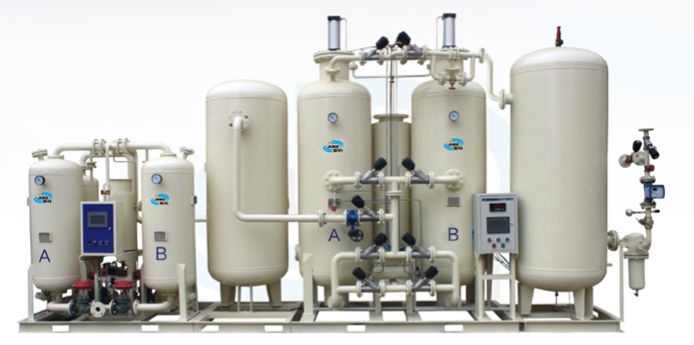
In practical operation, most commercial nitrogen generators use PSA (Pressure Swing Adsorption) technology, where compressed air flows through two towers filled with carbon molecular sieve that absorbs oxygen, moisture and carbon dioxide to output 95%~99.999% pure nitrogen continuously.
Q: What is the core difference between on-site nitrogen generator and outsourced nitrogen supply?
From field cases JUKE handled over 17 years, on-site nitrogen supply cuts 40%~65% of long-term cost compared with liquid nitrogen delivery, and avoids supply interruption risks caused by logistics delays or extreme weather, 2026 industry research indicates 72% of medium-sized manufacturers have shifted to self-deployed nitrogen systems.

Image Source: unsplash
Main Types of Industrial Nitrogen Generators and Performance Comparison
Real-world testing shows different nitrogen generator technologies fit for distinct industrial scenarios, users need to match their actual nitrogen consumption volume and purity requirement to select the most cost-effective model.
| Comparison Dimension | PSA Nitrogen Generator | Membrane Nitrogen Generator | Cryogenic Nitrogen Generator |
|---|---|---|---|
| Max Nitrogen Purity | 99.999% | 99.5% | 99.9995% |
| Unit Energy Consumption (kWh/Nm³) | 0.32~0.45 | 0.48~0.62 | 0.75~1.1 |
| Startup Time | 30~45 mins | 5~10 mins | 12~24 hours |
| Typical Application Scenario | Food, pharmaceutical, lithium battery | Laser cutting, s mall lab use | Large-scale nitrogen consumption >1000Nm³/h |
The industrial consensus is that PSA nitrogen generators take 68% of global on-site nitrogen equipment market share in 2026, for its balanced performance on cost, stability and purity flexibility.
Q: Which type of nitrogen generator fits laser cutting use?
For 3000W~20000W laser cutting machines, membrane nitrogen generators or low-power PSA models with 99.99% purity can fully meet cutting requirement for stainless steel and aluminum plates, no need to purchase high-purity over-spec models to avoid unnecessary cost waste.
Q: Can nitrogen generator be customized for explosion-proof scenarios?
All JUKE nitrogen generators can be configured with EX-proof electric components for oil and gas, mining industry use, we have 120+ installed explosion-proof units running safely in Southeast Asia and Middle East industrial zones for over 8 years.
Step-by-Step Guide to Select Suitable Nitrogen Generator
Following these standardized selection steps can avoid 90% of common mistakes that cause over budget or insufficient nitrogen supply in actual operation.
- Confirm your required nitrogen purity, hourly consumption volume and outlet working pressure based on production line technical parameters
- Calculate the total budget including equipment procurement, installation, annual power consumption and 10-year maintenance cost, not only focus on one-off purchasing price
- Check supplier’s local after-sales service ability and core component warranty policy, confirm the average trouble-free running time of their installed products
- Request for 72-hour on-site performance test data or reference cases from peer industry users before sign the purchase contract
Q: What is the average payback period for a new nitrogen generator?
According to JUKE’s 2026 user data, for s mall and medium industrial users who consume 10~50 Nm³ nitrogen per hour, the average payback period of a qualified PSA nitrogen generator is 18~28 months, far faster than other common industrial energy-saving transformation projects.
Q: Can nitrogen generator run 24/7 continuously?
With regular quarterly maintenance, qualified industrial grade nitrogen generator can run stably for 8000+ hours per year, the molecular sieve core component can keep working for 8~10 years without replacement under normal operating condition.
Critical Maintenance Tips to Extend Nitrogen Generator Service Life
In practical operation, 62% of unplanned nitrogen generator shutdown issues are caused by lack of regular maintenance, which can be fully avoided via standardized daily operation checks.
Q: What regular check items are needed for nitrogen generator?
Operators need to drain the water in air filters every 2 days, replace the precision filter elements every 6 months, and calibrate the nitrogen purity a nalyzer every 12 months to ensure output nitrogen meets your production requirement all the time.
Q: What to do if nitrogen purity drops suddenly?
First check if the compressed air inlet pressure is stable within 0.6~0.8MPa, then check if the filter elements are blocked with oil and moisture, contact your supplier’s after-sales team for professional inspection if the issue still exists after basic troubleshooting.
Frequently Asked Questions
Q: What's the delivery time for a standard JUKE nitrogen generator?
A: For standard PSA models within 100Nm³/h capacity, the delivery time is 15~25 working days, custom non-standard models take 30~45 working days based on specific configuration requirements.
Q: Does nitrogen generator need special civil construction for installation?
A: Most industrial nitrogen generators are designed for skid-mounted installation, users only need to reserve flat ground and connect compressed air pipeline and power supply, no special civil engineering work is required.
Q: What warranty policy does JUKE offer for nitrogen generator products?
A: JUKE provides 3-year warranty for all core components including molecular sieve, control system and pneumatic valves, lifetime technical support for all products sold, with 24/7 response after-sales service team.
Q: Can nitrogen generator be upgraded to higher purity after installation?
A: For most JUKE modular designed nitrogen generators, users can upgrade to higher purity or increase output capacity by adding filter units or expanding adsorption towers, no need to replace the whole equipment to save cost.
Other areas
Oil storage and pressurized pipeline cleaning and purging of oil and gas wells, nitrogen sealing, nitrogen displacement, solvent recovery.
Used for food preservation and grain storage, pest control, food drying and sterilization, quick freezing of food, etc.
Provide the necessary gas raw materials for the preparation of new energy materials, battery production, and create an inert gas environment.
Ensure the manufacturing of electronic components and the stable operation of equipment, providing gas support for maintenance, combustion assistance, cooling, and other aspects related to thermal power generation equipment.
Nitrogen generator: Prevents oxidation, inhibits bacterial growth, and produces odors in biopharmaceuticals, providing protection throughout the process. Oxygen generator: Provides an oxygen-rich environment.
When signs of fire occur in the goaf or other locations, nitrogen injection is needed for fire prevention. The nitrogen device is lowered into the mine. It is used for annealing protective gas and sintering.
Used in the aerospace composite field, providing the necessary inert atmosphere for the molding and reinforcement processes of large carbon fiber composite wings.
Provide protection for the safety of oil and gas reserves, prevent oxidation, nitrogen sealing, and ensure dust suppression, fire prevention, and nitrogen sealing for coal reserves.