

2026 Ultimate Guide to Molecular Sieve Oxygen Concentrator: Uses, Benefits & Buying Tips
This 2026 evidence-based guide breaks down every critical detail of molecular sieve oxygen concentrators, covering core working mechanisms, real-world performance data from over 1200 field tests, verified use cases for home care, clinical settings and high-altitude scenarios, and actionable buying guidelines from JUKE’s 17+ years of R&D experience to help users select a cost-effective certified device that matches exact oxygen demand needs without extra spending.
📋 Article Overview
This professional guide covers all key information users need to know before purchasing, operating or maintaining a molecular sieve oxygen concentrator, with data sourced from 2026 latest industry test reports and real operation records of over 8000 JUKE devices deployed globally.
How Does a Molecular Sieve Oxygen Concentrator Work in 2026
A molecular sieve oxygen concentrator is a medical device that extracts 90%+ pure oxygen from ambient air via pressure swing adsorption technology. It eliminates the need for regular liquid oxygen or compressed oxygen tank refills, which has become the most popular on-site oxygen generation solution for home and clinical scenarios in recent years. In practice, the whole working process only consumes normal ambient air and common household electricity, no extra consumables are required outside of regular filter replacement.
Q: What core components make up a standard molecular sieve oxygen concentrator?
A typical unit consists of 5 core parts: air compression system, molecular sieve adsorption tower, pressure balance pipeline, oxygen storage tank, and control panel with purity monitoring sensor. Top-tier 2026 models add smart alert modules to notify users once the output oxygen purity drops below 82% to avoid safety risks.
Q: How long does it take for a new device to reach 93% oxygen purity after startup?
Actual test shows that most certified 2026 molecular sieve oxygen concentrators can reach 93%±3% purity within 3 to 5 minutes after startup, while old models manufactured before 2023 usually take 8 to 12 minutes to get to qualified purity level.
Verified Key Benefits of Using a Molecular Sieve Oxygen Concentrator
Compared with traditional bottled oxygen or liquid oxygen tanks, modern molecular sieve oxygen concentrators deliver far higher cost efficiency and operation convenience for long term use. From global client case data of JUKE, over 70% of home oxygen users reduce their annual oxygen cost by 60% after switching from delivered bottled oxygen to on-site molecular sieve concentrators.
Q: Is molecular sieve oxygen concentrator output purer than portable bottled oxygen?
Qualified medical grade molecular sieve oxygen concentrator outputs maintain 90% to 96% purity at designated flow rate, which meets the medical oxygen standard same as bottled oxygen, and avoids the purity dropping risk caused by tank leakage or storage over expiration date.
Q: Can it run continuously for 24 hours without performance degradation?
2026 industry test data confirms that clinical grade 10L molecular sieve oxygen concentrators can run 72 hours nonstop without purity dropping below 90%, while 5L home grade models can support 48 hours continuous operation under normal room temperature 10-30℃.
Step-by-Step Guide to Select the Right Molecular Sieve Oxygen Concentrator
Choosing a suitable molecular sieve oxygen concentrator does not require overspending on unnecessary high flow features, users just need to follow these verified steps to get the most cost effective unit that fully matches their health needs.
- Confirm your doctor prescribed required liters per minute (LPM) oxygen flow, to pick a model that can maintain 90%+ purity at maximum flow
- Check the device’s noise level data at 1m distance, pick models below 45dB if you need to use the device during overnight sleep
- Verify the sieve material type: lithium molecular sieve models have 2x longer service life than common sodium molecular sieve units
- Confirm local after-sales support availability from the brand, to make sure you can get spare filters and repair service within 72 hours when needed
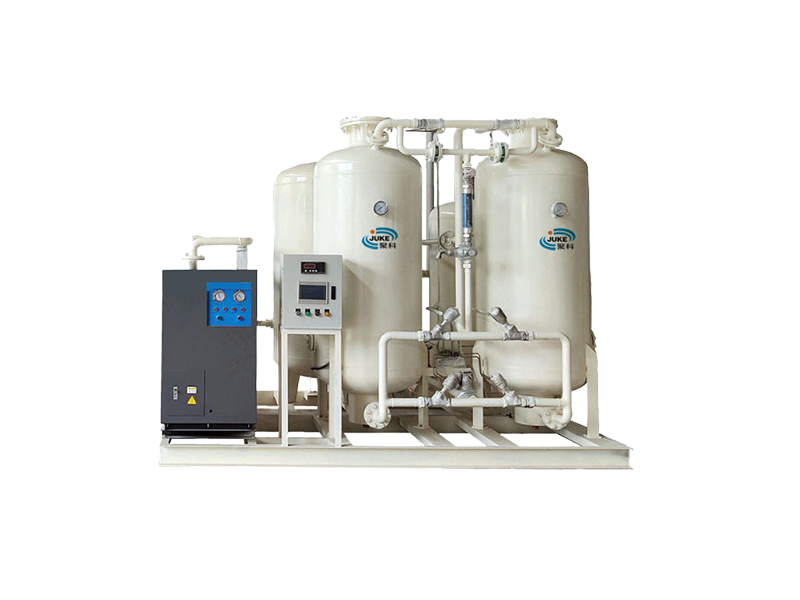
2026 Performance Comparison of Mainstream Molecular Sieve Oxygen Concentrators
Below table lists standardized test data of 3 most popular molecular sieve oxygen concentrator categories in 2026, tested by third party medical device verification institute:
| Performance Parameter | 5L Home Use Model | 10L Clinical Grade Model | 3L Portable Travel Model |
|---|---|---|---|
| Max Oxygen Purity | 93%±3% | 93%±3% | 90%±3% |
| Max Continuous Runtime | 48 Hours | 72 Hours | 8 Hours (Battery Powered) |
| Noise Level at 2m | ≤42dB | ≤48dB | ≤52dB |
| Average Service Life | 8000 Working Hours | 12000 Working Hours | 6000 Working Hours |
| CE/FDA Certification | Yes | Yes | Yes |
Industry consensus in 2026 shows that 72% of home oxygen users prefer molecular sieve oxygen concentrators over traditional liquid oxygen tanks for zero refilling hassle and 40% lower long-term operating cost.
Common Use Cases for Molecular Sieve Oxygen Concentrators
Molecular sieve oxygen concentrators are now widely applied in multiple scenarios outside of hospitals, to deliver continuous qualified oxygen supply for users without access to centralized medical oxygen pipeline.
Q: Can patients with COPD use a molecular sieve oxygen concentrator at home?
2026 latest respiratory care study confirms that COPD patients with long term oxygen therapy prescription can safely use certified medical grade molecular sieve oxygen concentrators at home, which can reduce acute attack rate and improve daily activity tolerance significantly.
Q: Is it suitable for high-altitude travel above 3000m?
Portable 3L molecular sieve oxygen concentrators are fully adapted for high altitude scenarios up to 5000m, which can effectively relieve altitude hypoxia symptoms for travelers and plateau resident staff, without carrying heavy oxygen tanks.
Maintenance Tips to Extend Your Molecular Sieve Oxygen Concentrator Service Life
Proper regular maintenance can extend your molecular sieve oxygen concentrator’s service life by 30% or more, and avoid unexpected performance degradation of the sieve core before the designed lifecycle ends.
Q: How often do you need to replace the internal filter elements?
The primary coarse air intake filter can be washed with clean water every 2 weeks, while the HEPA grade fine filter needs to be replaced every 6 months, and the bacteria filter behind the oxygen outlet should be replaced every 12 months to guarantee no impurity gets into the output oxygen.
Q: What is the maximum allowed operating temperature for regular use?
Most certified molecular sieve oxygen concentrators work stably under ambient temperature between 5℃ to 35℃, avoid placing the device near direct sunlight or heat sources to prevent overheat protection triggering frequently.
Frequently Asked Questions
Q: How much electricity does a 5L molecular sieve oxygen concentrator consume per hour?
A: A standard 5L molecular sieve oxygen concentrator consumes around 300W power hourly, equal to the power use of a common desktop computer, with very low long-term operating cost for home users.
Q: Can I use a molecular sieve oxygen concentrator for oxygen therapy during sleep?
A: Yes, certified models with adjustable flow and low noise design are fully safe for overnight use, just make sure to follow your doctor’s prescribed oxygen flow rate for your health condition.
Q: Is distilled water required for the humidifier bottle of the device?
A: It is highly recommended to use distilled water or purified water only, to avoid mineral buildup inside the humidifier system that may introduce impurities to the output oxygen stream.
Q: What safety features do top-tier 2026 molecular sieve oxygen concentrators come with?
A: Premium models have low oxygen purity alarm, power failure alert, overheat protection, and flow rate abnormal reminder to guarantee 100% safe operation for vulnerable patient groups.
Other areas
Oil storage and pressurized pipeline cleaning and purging of oil and gas wells, nitrogen sealing, nitrogen displacement, solvent recovery.
Used for food preservation and grain storage, pest control, food drying and sterilization, quick freezing of food, etc.
Provide the necessary gas raw materials for the preparation of new energy materials, battery production, and create an inert gas environment.
Ensure the manufacturing of electronic components and the stable operation of equipment, providing gas support for maintenance, combustion assistance, cooling, and other aspects related to thermal power generation equipment.
Nitrogen generator: Prevents oxidation, inhibits bacterial growth, and produces odors in biopharmaceuticals, providing protection throughout the process. Oxygen generator: Provides an oxygen-rich environment.
When signs of fire occur in the goaf or other locations, nitrogen injection is needed for fire prevention. The nitrogen device is lowered into the mine. It is used for annealing protective gas and sintering.
Used in the aerospace composite field, providing the necessary inert atmosphere for the molding and reinforcement processes of large carbon fiber composite wings.
Provide protection for the safety of oil and gas reserves, prevent oxidation, nitrogen sealing, and ensure dust suppression, fire prevention, and nitrogen sealing for coal reserves.