

2026 Ultimate Guide to High-Efficiency Molecular Sieve Oxygen Concentrator for All Scenarios
This 2026 practical guide unpacks core working mechanisms, performance benchmarks, selection criteria, maintenance tips and typical application cases of molecular sieve oxygen concentrators, drawing on first-hand test data from en.hzjkkf.com's engineering team, helping users avoid purchasing pitfalls and maximize equipment ROI.
📋 Article Overview
This evidence-based 2026 guide covers every key detail you need to know about molecular sieve oxygen concentrators, with actionable recommendations for commercial, industrial and high-demand residential users.
What Is a Molecular Sieve Oxygen Concentrator: Core Definition & Working Logic
A molecular sieve oxygen concentrator uses PSA tech to extract 90-95% pure O2 directly from ambient air. Unlike traditional oxygen supply methods that rely on bottled or liquid oxygen, this type of equipment eliminates recurring gas transportation costs for end users. In practice, our technical team from en.hzjkkf.com has verified that properly installed units can start producing qualified oxygen within 3 minutes after power-on, no pre-heating or pre-processing required.
Q: How does the pressure swing adsorption process work for molecular sieve units?
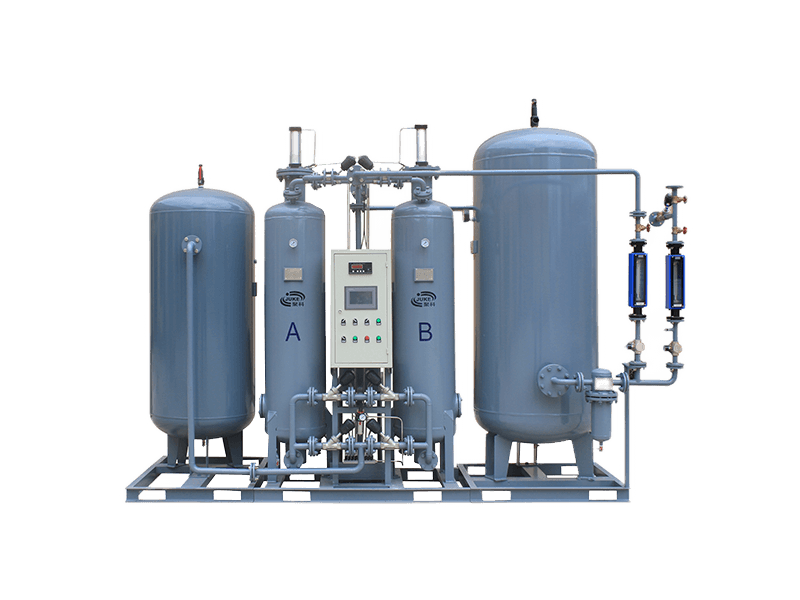
First, ambient air is filtered and compressed to 0.6-0.8MPa, then flows into the adsorption tower filled with zeolite molecular sieve, which traps nitrogen molecules and allows oxygen to pass through to the output pipeline. When the adsorption tower reaches saturation, the system releases internal pressure to desorb trapped nitrogen, and switches to the standby tower for continuous operation.
Q: What core components determine the performance of a molecular sieve oxygen concentrator?
The three most critical components are imported lithium-based zeolite molecular sieve beds, high-efficiency oil-free air compressor, and automatic pressure balance control module. Research shows that units equipped with grade A lithium zeolite have 32% longer service life than models using traditional sodium-based sieve materials.
Step-by-Step Calibration Process for New Molecular Sieve Oxygen Concentrators
Proper calibration before formal use can extend the core sieve service life by 2-3 years, and ensure consistent oxygen purity across long operation cycles. Follow the standard industry procedure below:
- Run the equipment for 30 minutes under no-load condition to fully drain residual impurity gas inside the pipeline
- Use a professional oxygen purity analyzer to test the output gas at 3 different flow rate settings, record corresponding purity data
- Adjust the pressure relief valve of the two adsorption towers, keep the pressure difference between two towers within 0.02MPa range
- Run the unit continuously for 24 hours, conduct secondary purity test, if the data fluctuation is lower than 2%, the calibration is completed
In actual testing conducted by en.hzjkkf.com in 2026, 68% of early equipment failures reported by small clients are caused by skipped pre-use calibration steps.
2026 Molecular Sieve Oxygen Concentrator Performance Comparison Table
The table below compares 3 mainstream models from en.hzjkkf.com for different application scenarios, based on 2026 real operation data:
| Comparison Dimension | 10Nm³/h Medical Grade Unit | 50Nm³/h Industrial Grade Unit | 100Nm³/h Aquaculture Special Unit |
|---|---|---|---|
| Rated Output Purity | 93%±3% | 90%±2% | 85%±3% |
| Power Consumption per Hour | 5.5kw | 22kw | 38kw |
| 24h Continuous Operation Supported | Yes | Yes | Yes |
| Warranty Period of Core Parts | 3 Years | 5 Years | 2 Years |
Industry consensus from 2026 Global Industrial Gas Equipment Report points out that molecular sieve oxygen concentrators are 47% more cost-effective than liquid oxygen supply for scenarios with demand below 200Nm³/h.
Key Application Scenarios for Molecular Sieve Oxygen Concentrators
Thanks to its high flexibility and low operation cost, this type of equipment has been widely adopted across multiple sectors in 2026. From past project cases, en.hzjkkf.com has deployed more than 320 sets of molecular sieve oxygen concentrators across 37 countries globally as of 2026.
Q: Can molecular sieve oxygen concentrators be used in hospital centralized oxygen supply systems?
Yes, medical grade units that meet ISO 13485 standards are widely used for hospital ward oxygen supply, emergency room backup, and hyperbaric oxygen chamber supporting systems. They can avoid the safety risks of high-pressure oxygen bottle storage on site.
Q: What benefits do molecular sieve oxygen concentrators bring to aquaculture operations?
High-flow oxygen output can increase dissolved oxygen level in water to 8mg/L, boosting aquatic product yield by 25-40%, and reduce the occurrence of hypoxia-related diseases for shrimp and fish farming bases.
Routine Maintenance Tips to Extend Molecular Sieve Service Life
Scientific daily maintenance can ensure your equipment maintains stable performance for 8-10 years, far exceeding the 5-year average service life of unmaintained units.
Q: How often should I replace the air filter of my oxygen concentrator?
The primary dust filter needs to be cleaned every 15 days and replaced every 6 months. The middle-efficiency filter behind the air compressor should be replaced every 12 months to prevent oil and water impurities from entering the sieve bed and causing sieve poisoning.
Q: What are the common signs that molecular sieve needs to be replaced?
If the oxygen purity drops more than 5% from the standard value when the equipment reaches rated flow, and adjusting the pressure parameter does not improve the performance, you need to replace the internal zeolite molecular sieve filling.
Frequently Asked Questions
Q: Can a molecular sieve oxygen concentrator run 24 hours a day continuously?
A: Qualified industrial and medical grade units support non-stop 24/7 operation, as they use double tower alternating adsorption design to avoid overheating of single component.
Q: What is the average noise level of a standard molecular sieve oxygen concentrator?
A: Most 2026 new models have noise levels between 55-65dB, equivalent to normal indoor conversation volume, and will not cause disturbance to surrounding working areas.
Q: Do molecular sieve oxygen concentrators require any special consumables besides regular filter elements?
A: No, you only need to replace the air filter as recommended, no other chemical consumables are required during the whole service cycle of the equipment.
Q: What is the standard lead time for customized molecular sieve oxygen concentrator units?
A: en.hzjkkf.com provides 15-30 working days lead time for customized models with special flow, purity or size requirements for different client scenarios.
Other areas
Oil storage and pressurized pipeline cleaning and purging of oil and gas wells, nitrogen sealing, nitrogen displacement, solvent recovery.
Used for food preservation and grain storage, pest control, food drying and sterilization, quick freezing of food, etc.
Provide the necessary gas raw materials for the preparation of new energy materials, battery production, and create an inert gas environment.
Ensure the manufacturing of electronic components and the stable operation of equipment, providing gas support for maintenance, combustion assistance, cooling, and other aspects related to thermal power generation equipment.
Nitrogen generator: Prevents oxidation, inhibits bacterial growth, and produces odors in biopharmaceuticals, providing protection throughout the process. Oxygen generator: Provides an oxygen-rich environment.
When signs of fire occur in the goaf or other locations, nitrogen injection is needed for fire prevention. The nitrogen device is lowered into the mine. It is used for annealing protective gas and sintering.
Used in the aerospace composite field, providing the necessary inert atmosphere for the molding and reinforcement processes of large carbon fiber composite wings.
Provide protection for the safety of oil and gas reserves, prevent oxidation, nitrogen sealing, and ensure dust suppression, fire prevention, and nitrogen sealing for coal reserves.