

Essential Tips for Using a PSA Nitrogen Generator
Discover key considerations for optimizing your PSA nitrogen generator performance.
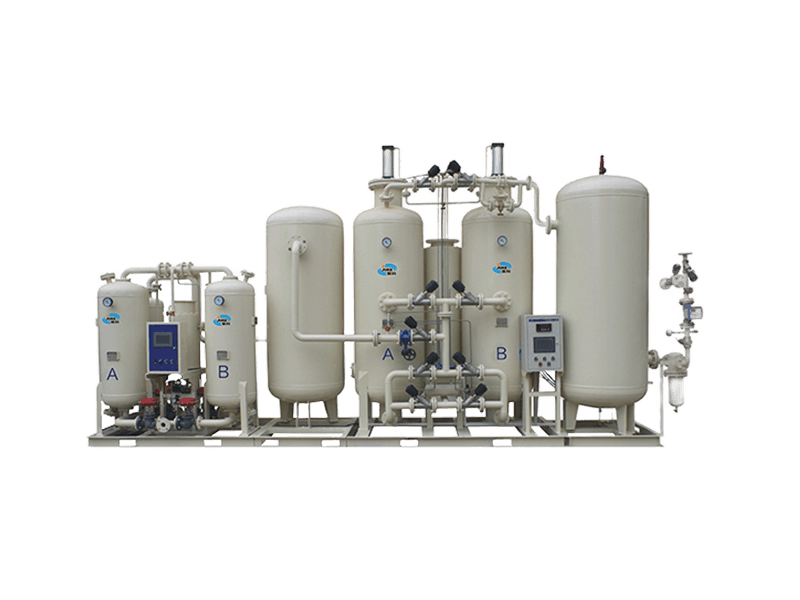
Introduction
Hey there! If you're diving into the world of nitrogen production, you're probably looking into a PSA nitrogen generator. This nifty device is a game-changer for industries needing high-quality nitrogen. But before you jump in headfirst, let's explore some essential tips to ensure you get the most out of your generator.
Understanding PSA Technology
First things first, what does PSA stand for? Pressure Swing Adsorption. It's a fancy way of saying that this technology uses pressure to separate nitrogen from air. It's efficient and, more importantly, cost-effective! But hang on—just because it's clever doesn't mean it's foolproof. There are a few things you need to keep in mind.
1. Regular Maintenance is Key
Alright, let's get down to the nitty-gritty. Regular maintenance of your PSA nitrogen generator can save you a pretty penny in the long run. Ensure that filters are replaced as recommended and that the system is checked for leaks. Ignoring maintenance can lead to inefficiency and costly repairs. Trust me, you don't want to be in that boat!
2. Monitor Performance Metrics
Keep your eyes peeled on performance metrics. Monitoring things like purity levels and output pressure can help you spot potential issues before they escalate. If you notice a dip in purity, it might be time to check in on your generator. It's all about being proactive rather than reactive!
3. Proper Installation Matters
Installation may sound like a no-brainer, but trust me, it's crucial! A poorly installed PSA nitrogen generator can lead to inefficient operation. Make sure all connections are tight, and the unit is placed in a well-ventilated area. Follow the manufacturer's guidelines to the letter!
4. Understand Your Nitrogen Needs
Before you set up shop, take some time to understand your nitrogen requirements. Are you using it in food packaging, electronics manufacturing, or maybe something else? Each application may have different requirements for purity and flow rates, so tailor your setup accordingly.
5. Safety First!
Let's not forget about safety! Always ensure that your PSA nitrogen generator is compliant with local regulations. Regularly review safety protocols and train your staff on emergency procedures. It's better to be safe than sorry, right?
Conclusion
In summary, using a PSA nitrogen generator can be a fantastic investment, but it requires a bit of know-how. Regular maintenance, performance monitoring, proper installation, understanding your needs, and prioritizing safety will set you on the right path. So, roll up your sleeves and get ready to optimize your nitrogen production!
Other areas
Oil storage and pressurized pipeline cleaning and purging of oil and gas wells, nitrogen sealing, nitrogen displacement, solvent recovery.
Used for food preservation and grain storage, pest control, food drying and sterilization, quick freezing of food, etc.
Provide the necessary gas raw materials for the preparation of new energy materials, battery production, and create an inert gas environment.
Ensure the manufacturing of electronic components and the stable operation of equipment, providing gas support for maintenance, combustion assistance, cooling, and other aspects related to thermal power generation equipment.
Nitrogen generator: Prevents oxidation, inhibits bacterial growth, and produces odors in biopharmaceuticals, providing protection throughout the process. Oxygen generator: Provides an oxygen-rich environment.
When signs of fire occur in the goaf or other locations, nitrogen injection is needed for fire prevention. The nitrogen device is lowered into the mine. It is used for annealing protective gas and sintering.
Used in the aerospace composite field, providing the necessary inert atmosphere for the molding and reinforcement processes of large carbon fiber composite wings.
Provide protection for the safety of oil and gas reserves, prevent oxidation, nitrogen sealing, and ensure dust suppression, fire prevention, and nitrogen sealing for coal reserves.