

Essential Insights on Nitrogen Generators You Should Know
Discover key considerations and insights into nitrogen generators for efficient use.
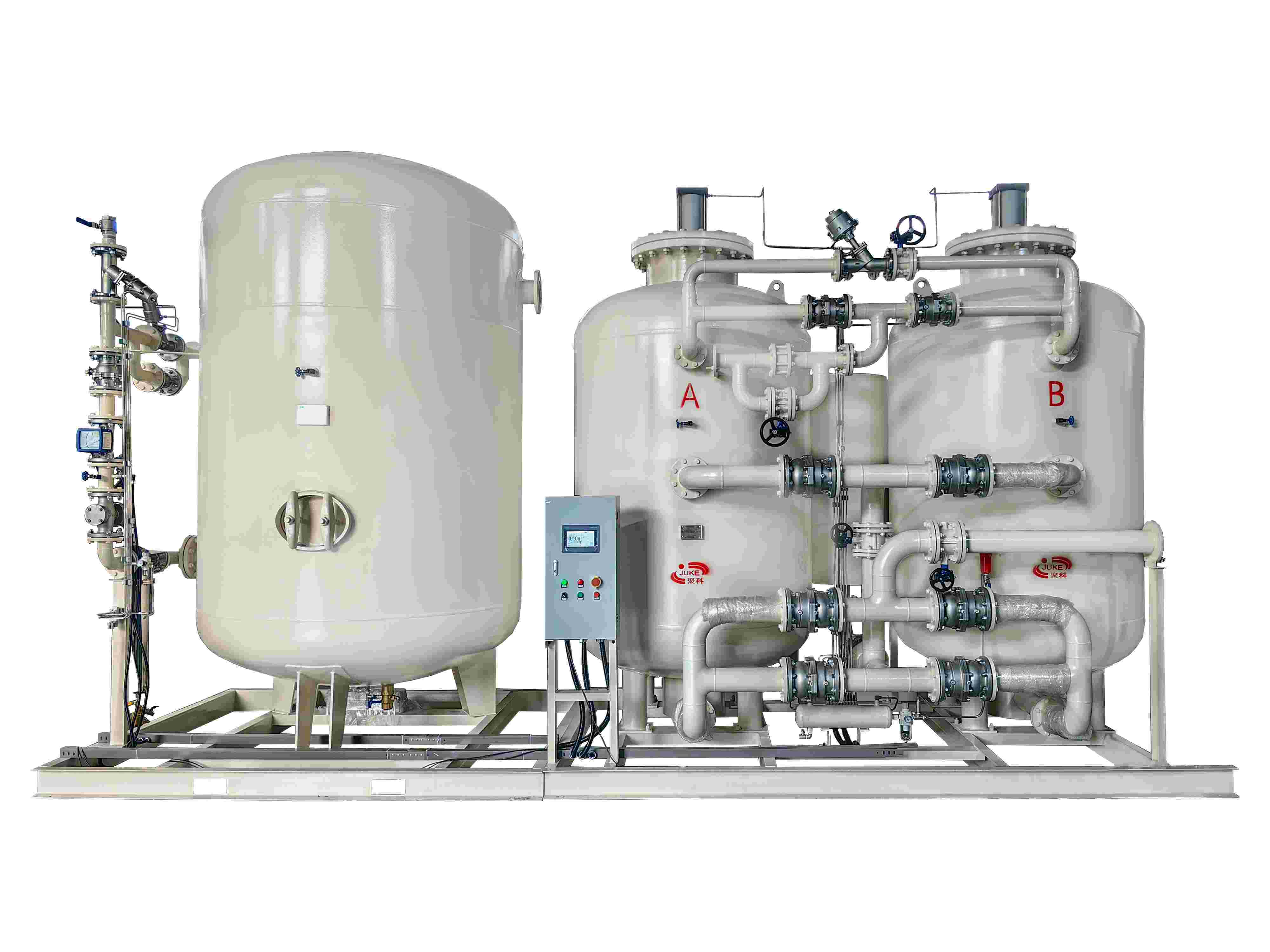
Understanding Nitrogen Generators
So, you're diving into the world of nitrogen generators, huh? Well, you've come to the right place! These machines are a big deal in various industries, providing a reliable source of nitrogen for everything from food packaging to pharmaceuticals. Let's unpack what you need to know before jumping in.
What is a Nitrogen Generator?
A nitrogen generator is essentially a device that separates nitrogen from the air we breathe, producing high-purity nitrogen gas. It's a nifty tool that can save you both time and money, especially if your operations require a steady nitrogen supply. But hang on, because there are a few important considerations to keep in mind.
Key Considerations Before Purchase
Before you whip out your credit card, let's go over some crucial factors:
1. Purity Levels
First off, you need to determine the purity level required for your specific application. Different industries have varying standards, and knowing your needs will help you choose the right generator. For instance, food packaging might require higher purity than a standard manufacturing process.
2. Flow Rate
Next up, consider the flow rate. This refers to how much nitrogen the generator can produce in a given time frame. If your operation runs continuously, it's vital to invest in a unit that can keep pace with your demands. Nobody wants to run out of gas mid-process!
3. Space Constraints
Now, let's talk space. Nitrogen generators come in various sizes, and you'll want to measure your available area before making a decision. You don't want to end up with a behemoth of a machine when you only have room for a compact model.
Installation and Maintenance
Alright, you've got your nitrogen generator picked out. What's next? Well, installation and maintenance are key to keeping things running smoothly. Here's the lowdown:
1. Professional Installation
It's often a wise move to hire professionals for installation. They'll ensure that everything is set up correctly and efficiently. A botched installation can lead to costly repairs down the line, so don't skimp on this step!
2. Regular Maintenance
Like any piece of equipment, regular maintenance is a must. Make a habit of checking filters, valves, and other components to prevent any hiccups. Trust me, a little upkeep goes a long way in extending the life of your generator.
Cost Considerations
Let's face it: cost is always a factor. Nitrogen generators can range from a few thousand to tens of thousands of dollars, depending on the size and capabilities. Don't forget to factor in operational costs, including energy consumption and maintenance.
Final Thoughts
In conclusion, investing in a nitrogen generator can be a game-changer for your business. However, it's essential to consider purity levels, flow rates, space, installation, and ongoing maintenance. So, do your homework, weigh your options, and you'll be well on your way to making an informed decision. Good luck!
Other areas
Oil storage and pressurized pipeline cleaning and purging of oil and gas wells, nitrogen sealing, nitrogen displacement, solvent recovery.
Used for food preservation and grain storage, pest control, food drying and sterilization, quick freezing of food, etc.
Provide the necessary gas raw materials for the preparation of new energy materials, battery production, and create an inert gas environment.
Ensure the manufacturing of electronic components and the stable operation of equipment, providing gas support for maintenance, combustion assistance, cooling, and other aspects related to thermal power generation equipment.
Nitrogen generator: Prevents oxidation, inhibits bacterial growth, and produces odors in biopharmaceuticals, providing protection throughout the process. Oxygen generator: Provides an oxygen-rich environment.
When signs of fire occur in the goaf or other locations, nitrogen injection is needed for fire prevention. The nitrogen device is lowered into the mine. It is used for annealing protective gas and sintering.
Used in the aerospace composite field, providing the necessary inert atmosphere for the molding and reinforcement processes of large carbon fiber composite wings.
Provide protection for the safety of oil and gas reserves, prevent oxidation, nitrogen sealing, and ensure dust suppression, fire prevention, and nitrogen sealing for coal reserves.