

Revolutionizing Industries: The Role of Oxygen Generation Systems
Explore how oxygen generation systems are transforming various industries with innovative applications.
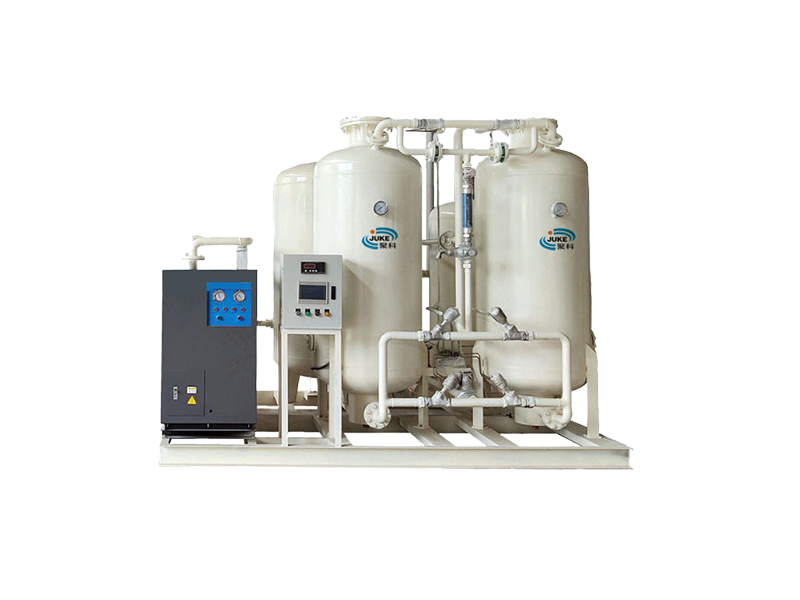
Introduction to Oxygen Generation Systems
Ever wondered how industries manage their oxygen needs? Well, wonder no more! Oxygen generation systems (Oxygen Generation Systems) are here to save the day. They're becoming a crucial player in a variety of sectors, from healthcare to metallurgy. Let's dive into some fascinating case studies that highlight their impact.
Healthcare: Breathing New Life
In the healthcare sector, the demand for pure oxygen is paramount. Hospitals and clinics often face challenges in sourcing adequate oxygen supplies. Enter oxygen generation systems! These units can produce oxygen on-site, ensuring that patients receive the necessary care without delays. For instance, a hospital in a remote area implemented an oxygen generation system, reducing their reliance on external suppliers and cutting costs significantly. Talk about a breath of fresh air!
Metallurgy: A Fiery Transformation
In metallurgy, oxygen plays a vital role in processes like steelmaking. By integrating oxygen generation systems, companies can enhance combustion efficiency, which leads to better quality metal products. One steel plant reported a 20% increase in production rates after installing an oxygen generation system. Now, that's a transformation worth noting!
Environmental Benefits
Moreover, these systems contribute positively to the environment. By generating oxygen on-site, industries reduce their carbon footprint associated with transporting gas. It's a win-win situation! Not only is the production process streamlined, but it also aligns with sustainability goals. Industries are finding that adopting these systems is not just beneficial but essential for the future.
Food and Beverage: Keeping It Fresh
The food and beverage industry has also embraced oxygen generation technology. In packaging, maintaining the right atmosphere is crucial for freshness. By using oxygen generation systems, producers can ensure optimal conditions during storage and transport. This has led to longer shelf life and reduced spoilage rates. Who wouldn't want fresher food on their tables?
Conclusion: The Future is Bright
As we look ahead, the role of oxygen generation systems will only grow. They're more than just machines; they're integral to the success of countless industries. From improving patient outcomes in hospitals to enhancing production efficiency in factories, these systems are paving the way for innovation. So, here's to the future—where generating oxygen is as easy as pressing a button!
Other areas
Oil storage and pressurized pipeline cleaning and purging of oil and gas wells, nitrogen sealing, nitrogen displacement, solvent recovery.
Used for food preservation and grain storage, pest control, food drying and sterilization, quick freezing of food, etc.
Provide the necessary gas raw materials for the preparation of new energy materials, battery production, and create an inert gas environment.
Ensure the manufacturing of electronic components and the stable operation of equipment, providing gas support for maintenance, combustion assistance, cooling, and other aspects related to thermal power generation equipment.
Nitrogen generator: Prevents oxidation, inhibits bacterial growth, and produces odors in biopharmaceuticals, providing protection throughout the process. Oxygen generator: Provides an oxygen-rich environment.
When signs of fire occur in the goaf or other locations, nitrogen injection is needed for fire prevention. The nitrogen device is lowered into the mine. It is used for annealing protective gas and sintering.
Used in the aerospace composite field, providing the necessary inert atmosphere for the molding and reinforcement processes of large carbon fiber composite wings.
Provide protection for the safety of oil and gas reserves, prevent oxidation, nitrogen sealing, and ensure dust suppression, fire prevention, and nitrogen sealing for coal reserves.