

The Rising Demand for Oxygen Production Machines in Industry
Explore the latest news and developments in industrial oxygen production technology.
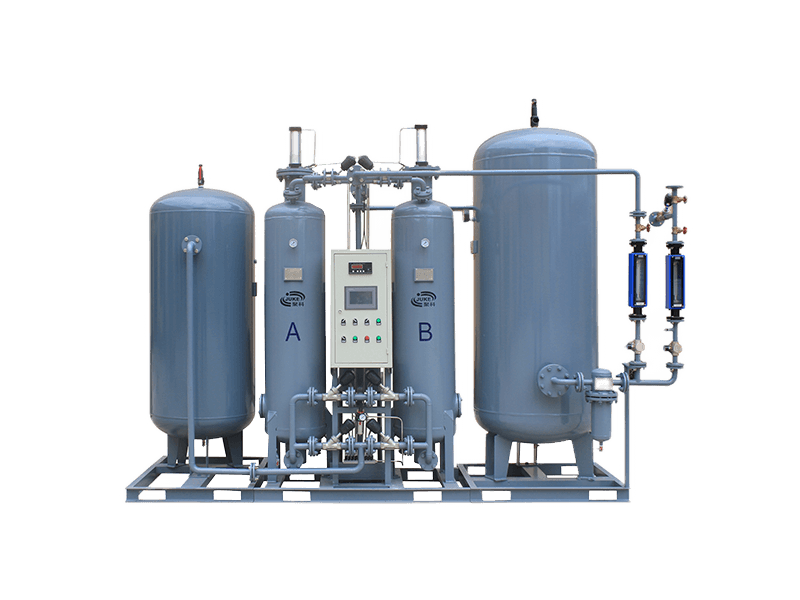
The Oxygen Revolution: A Look into Industrial Oxygen Production Machines
In recent years, the industrial sector has been buzzing with advancements, and one notable star has emerged: the oxygen production machine. These machines are not just a passing trend; they are reshaping how industries operate, boosting efficiency and sustainability.
What is an Oxygen Production Machine?
So, what exactly is an oxygen production machine? In simple terms, it's a device that generates oxygen for various industrial applications. Whether it's for metal cutting, welding, or even medical uses, these machines play a crucial role. They work by separating oxygen from air, providing a continuous supply tailored to specific needs.
Why the Surge in Popularity?
Let's face it—industries are always on the lookout for ways to minimize costs and enhance productivity. With the oxygen production machine, companies can produce their own oxygen on-site, eliminating the need for costly gas deliveries. This shift not only cuts expenses but also reduces carbon footprints, making it a win-win for both the pocket and the planet!
Benefits Galore!
- Cost-Efficiency: By generating oxygen in-house, businesses save money in the long run.
- Consistency: These machines ensure a steady supply, so no more worrying about running out.
- Flexibility: They can be adjusted to meet varying production demands, making them incredibly versatile.
Industries Taking the Lead
Several sectors have jumped on the bandwagon. The healthcare industry, for instance, relies heavily on oxygen for patient care. Meanwhile, manufacturing and metal industries utilize it for processes like welding and cutting. The versatility of the oxygen production machine is truly impressive, making it an essential tool across various fields.
The Future is Bright
Looking ahead, the future of industrial oxygen production seems promising. With ongoing innovations, we're likely to see even more efficient machines that can adapt to the changing landscape of industrial needs. Plus, as environmental concerns become more pressing, the demand for sustainable solutions will only grow, making these machines a staple in modern industry.
Final Thoughts
In conclusion, the oxygen production machine is not just a tool; it's a game-changer. As industries continue to evolve, embracing such technologies will be key to staying competitive. So, keep an eye out for this trend—it's only going to get bigger!
Other areas
Oil storage and pressurized pipeline cleaning and purging of oil and gas wells, nitrogen sealing, nitrogen displacement, solvent recovery.
Used for food preservation and grain storage, pest control, food drying and sterilization, quick freezing of food, etc.
Provide the necessary gas raw materials for the preparation of new energy materials, battery production, and create an inert gas environment.
Ensure the manufacturing of electronic components and the stable operation of equipment, providing gas support for maintenance, combustion assistance, cooling, and other aspects related to thermal power generation equipment.
Nitrogen generator: Prevents oxidation, inhibits bacterial growth, and produces odors in biopharmaceuticals, providing protection throughout the process. Oxygen generator: Provides an oxygen-rich environment.
When signs of fire occur in the goaf or other locations, nitrogen injection is needed for fire prevention. The nitrogen device is lowered into the mine. It is used for annealing protective gas and sintering.
Used in the aerospace composite field, providing the necessary inert atmosphere for the molding and reinforcement processes of large carbon fiber composite wings.
Provide protection for the safety of oil and gas reserves, prevent oxidation, nitrogen sealing, and ensure dust suppression, fire prevention, and nitrogen sealing for coal reserves.