

Demystifying PSA Nitrogen Generators: Common Queries Answered
Explore the ins and outs of PSA nitrogen generators, addressing popular questions and concerns.
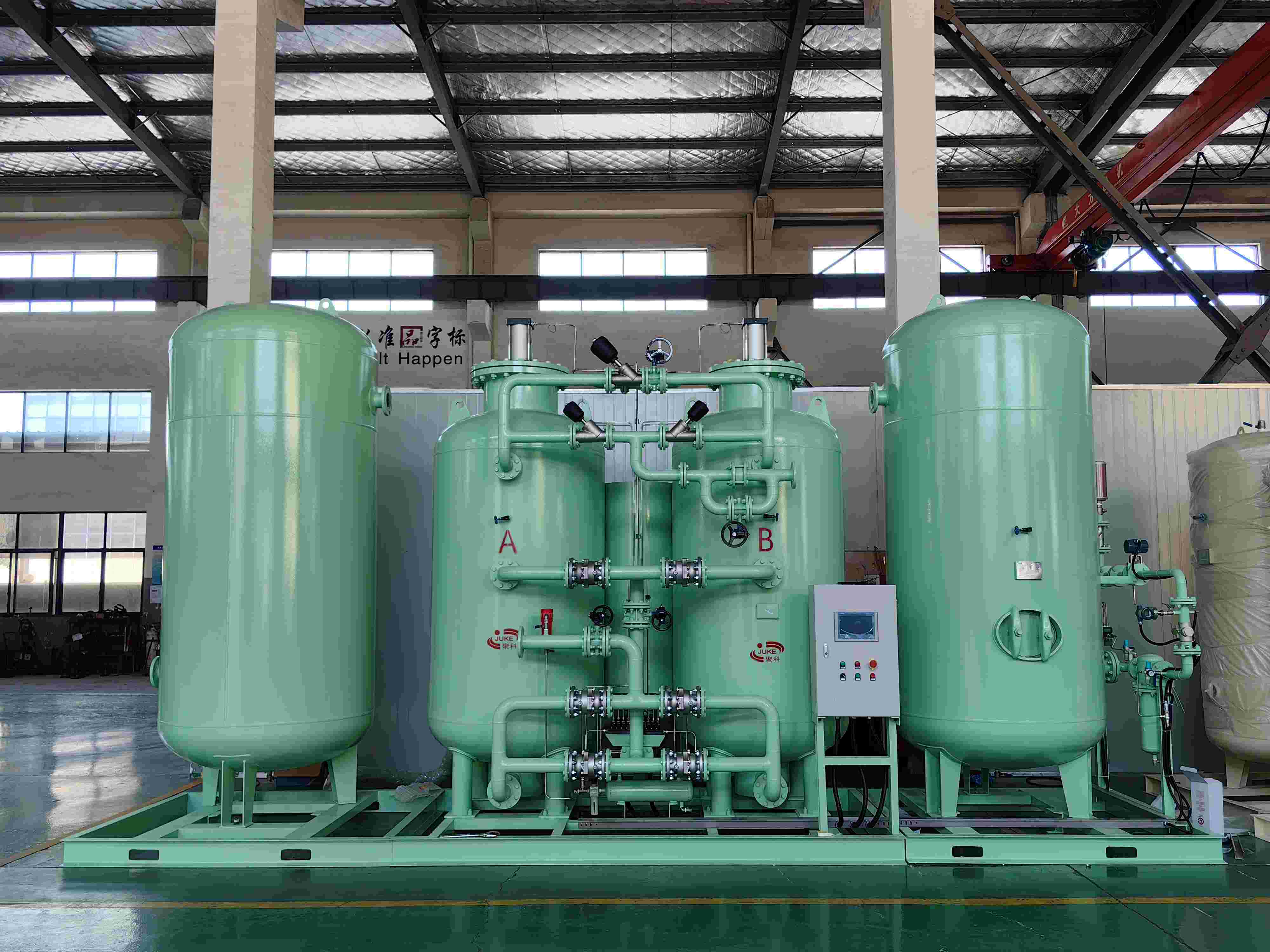
Understanding PSA Nitrogen Generators
When it comes to industrial applications, the PSA nitrogen generator (PSA Nitrogen Generator) stands out as a trusted solution for producing nitrogen efficiently. But what's the buzz about it? Let's dive into some common questions surrounding these machines.
What is a PSA Nitrogen Generator?
In simple terms, a PSA nitrogen generator employs Pressure Swing Adsorption technology to separate nitrogen from compressed air. This nifty process allows businesses to generate nitrogen on-site, cutting down on delivery costs and ensuring a steady supply.
How Does It Work?
Picture this: air is compressed and passed through a series of adsorbers containing materials that selectively capture oxygen and other impurities. The result? Pure nitrogen flows out, ready for various applications, from food packaging to chemical processes. Pretty cool, right?
Why Choose PSA Technology?
One might wonder, “Why go for PSA?” Well, for starters, it's cost-effective over time. By generating nitrogen on-site, companies can sidestep hefty gas delivery fees. Plus, the flexibility it offers means you can easily adjust production rates based on real-time needs.
What Are the Common Applications?
From the food industry to pharmaceuticals, the applications are vast! Businesses often use nitrogen for:
- Food preservation
- Inerting processes
- Packaging
- Manufacturing electronics
Clearly, nitrogen is essential in maintaining product integrity and safety!
Are There Maintenance Concerns?
Ah, the dreaded maintenance question! While PSA nitrogen generators are generally low-maintenance, they do require periodic checks. Regular inspection of filters and adsorbent materials is key to ensuring optimal performance. After all, keeping your equipment in tip-top shape helps avoid any hiccups in production.
What About Safety?
Safety first, always! Operating a PSA nitrogen generator is relatively safe, provided that standard operating procedures are followed. However, it's crucial to ensure proper ventilation, as nitrogen is an asphyxiant in high concentrations. So, keep an eye on those safety measures!
How Do I Choose the Right PSA Nitrogen Generator?
Choosing the right unit can seem daunting, but don't fret! Consider factors like your nitrogen purity requirements, production capacity, and available space. Consulting with a reputable supplier can also point you in the right direction, ensuring you find a generator that fits your needs like a glove.
Conclusion
In summary, PSA nitrogen generators offer a practical solution for businesses looking to streamline their nitrogen supply. With a solid understanding of how they work and their benefits, you'll be well-equipped to make informed decisions about incorporating this technology into your operations. Remember, knowledge is power, and understanding your equipment can lead to smoother, more efficient processes!
Other areas
Oil storage and pressurized pipeline cleaning and purging of oil and gas wells, nitrogen sealing, nitrogen displacement, solvent recovery.
Used for food preservation and grain storage, pest control, food drying and sterilization, quick freezing of food, etc.
Provide the necessary gas raw materials for the preparation of new energy materials, battery production, and create an inert gas environment.
Ensure the manufacturing of electronic components and the stable operation of equipment, providing gas support for maintenance, combustion assistance, cooling, and other aspects related to thermal power generation equipment.
Nitrogen generator: Prevents oxidation, inhibits bacterial growth, and produces odors in biopharmaceuticals, providing protection throughout the process. Oxygen generator: Provides an oxygen-rich environment.
When signs of fire occur in the goaf or other locations, nitrogen injection is needed for fire prevention. The nitrogen device is lowered into the mine. It is used for annealing protective gas and sintering.
Used in the aerospace composite field, providing the necessary inert atmosphere for the molding and reinforcement processes of large carbon fiber composite wings.
Provide protection for the safety of oil and gas reserves, prevent oxidation, nitrogen sealing, and ensure dust suppression, fire prevention, and nitrogen sealing for coal reserves.