

Understanding the Working Principle of PSA Nitrogen Generators
Explore the fascinating workings of PSA nitrogen generators and their applications in various industries.
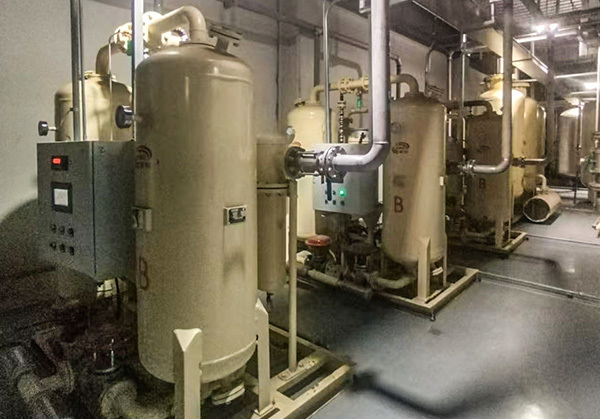
Introduction to PSA Nitrogen Generators
Ever wondered how industries produce nitrogen efficiently? Enter the PSA nitrogen generator! This nifty device employs a process that's both fascinating and practical. With a focus on its working principle, we'll delve deep into the mechanics and benefits of this technology.
What is a PSA Nitrogen Generator?
PSA, or Pressure Swing Adsorption, is a method used to separate nitrogen from air. By utilizing this technique, a PSA nitrogen generator can produce high-purity nitrogen for various applications, from food packaging to medical uses. It's like having a mini nitrogen factory right on your premises!
How Does it Work?
The working principle of the PSA nitrogen generator is relatively straightforward, yet ingenious. Here's a step-by-step breakdown:
1. Air Intake
The process kicks off with air being drawn into the system. This air consists primarily of nitrogen (about 78%) and oxygen (about 21%), along with trace gases.
2. Adsorption Process
Once inside, the air flows through two columns filled with adsorbent materials (such as zeolite). These materials selectively absorb the oxygen and other trace gases, leaving behind nitrogen. It's like a selective sieve, ensuring only the desired gas passes through!
3. Pressure Swing
Here's where the magic happens! By alternating the pressure in the columns, the adsorbent materials release the trapped gases. This pressure swing allows nitrogen to be collected and stored while the cycle continues.
Applications of PSA Nitrogen Generators
Now that we've unraveled the working principle, let's look at where PSA nitrogen generators shine:
- Food Industry: Nitrogen is used for packaging to extend shelf life and maintain freshness.
- Electronics: In the manufacturing of electronic components, nitrogen prevents oxidation.
- Medical: Hospitals use nitrogen for various applications, including cryopreservation and powering surgical instruments.
- Metalworking: Nitrogen can be used in cutting and welding processes to improve quality.
Benefits of Using PSA Nitrogen Generators
Why choose a PSA nitrogen generator over other methods? Here are some standout benefits:
- Cost-Effective: Producing nitrogen on-site reduces the need for purchasing bottled gas.
- Reliable Supply: No more worrying about running out of gas; you generate it as needed.
- Pure Nitrogen: Achieves high purity levels, essential for sensitive applications.
- Environmentally Friendly: Reduces the carbon footprint associated with transporting gases.
Conclusion
In essence, PSA nitrogen generators are a game-changer for industries requiring reliable and efficient nitrogen production. Their working principle, rooted in the science of pressure swing adsorption, makes them a practical choice for many applications. So next time you see nitrogen in action, you'll have an appreciation for the technology that makes it all possible!
Other areas
Oil storage and pressurized pipeline cleaning and purging of oil and gas wells, nitrogen sealing, nitrogen displacement, solvent recovery.
Used for food preservation and grain storage, pest control, food drying and sterilization, quick freezing of food, etc.
Provide the necessary gas raw materials for the preparation of new energy materials, battery production, and create an inert gas environment.
Ensure the manufacturing of electronic components and the stable operation of equipment, providing gas support for maintenance, combustion assistance, cooling, and other aspects related to thermal power generation equipment.
Nitrogen generator: Prevents oxidation, inhibits bacterial growth, and produces odors in biopharmaceuticals, providing protection throughout the process. Oxygen generator: Provides an oxygen-rich environment.
When signs of fire occur in the goaf or other locations, nitrogen injection is needed for fire prevention. The nitrogen device is lowered into the mine. It is used for annealing protective gas and sintering.
Used in the aerospace composite field, providing the necessary inert atmosphere for the molding and reinforcement processes of large carbon fiber composite wings.
Provide protection for the safety of oil and gas reserves, prevent oxidation, nitrogen sealing, and ensure dust suppression, fire prevention, and nitrogen sealing for coal reserves.