

Unveiling the Future: The Rise of Nitrogen Generators in Industry
Explore the transformative impact of nitrogen generators on various industries and their benefits.
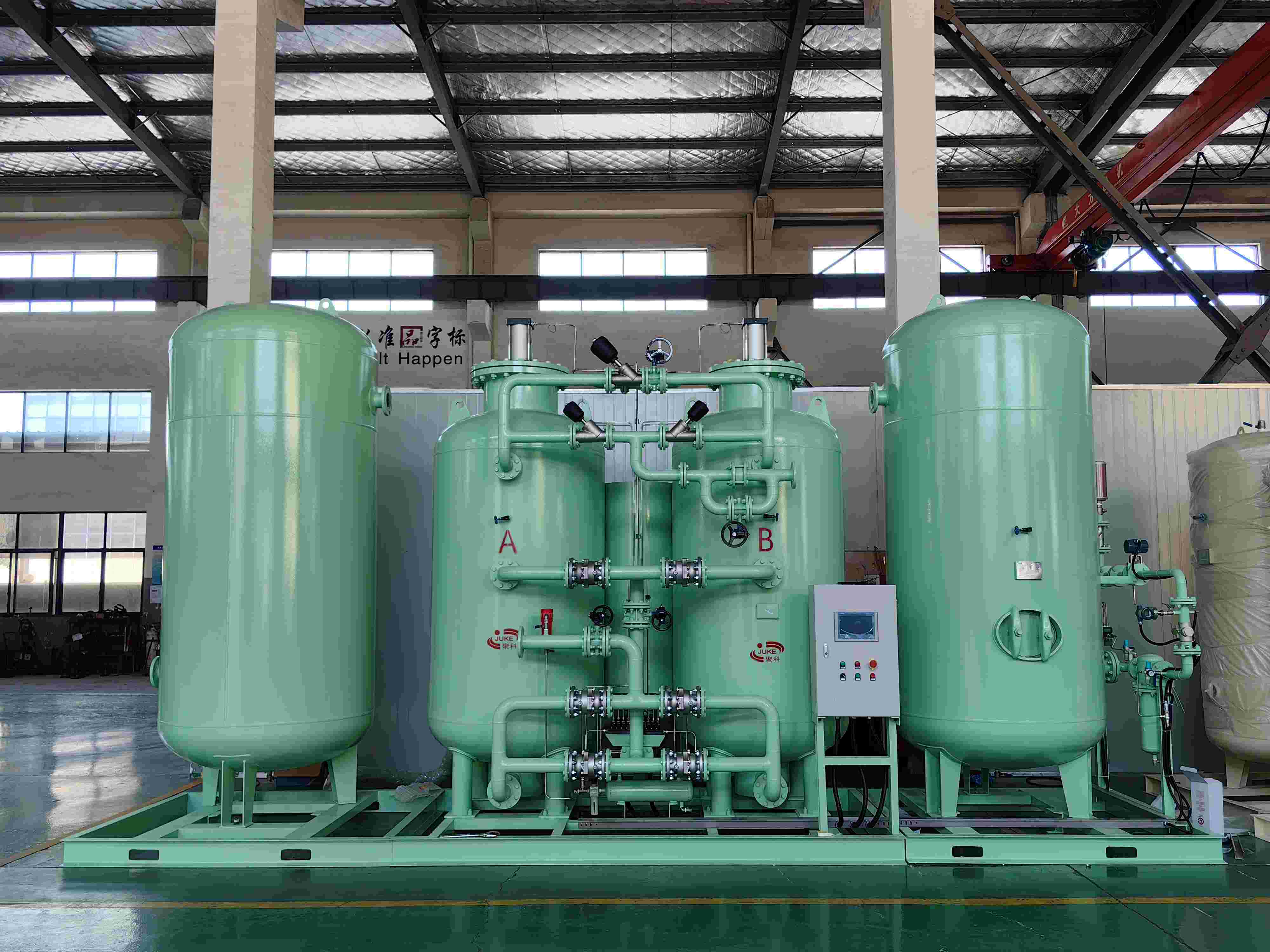
The New Age of Nitrogen Generators
In today's fast-paced industrial landscape, the nitrogen generator is becoming a game-changer. Industries ranging from food packaging to pharmaceuticals are increasingly relying on nitrogen as a crucial component in their processes. But what exactly is a nitrogen generator, and why should you care?
What is a Nitrogen Generator?
A nitrogen generator is a device that produces nitrogen gas from the ambient air. It employs various technologies, such as pressure swing adsorption (PSA) and membrane separation, to extract nitrogen. Think of it as a magic box that takes in ordinary air and spits out a pure nitrogen stream!
Why Use a Nitrogen Generator?
Well, for starters, the benefits are numerous! Using a nitrogen generator can significantly reduce costs associated with purchasing nitrogen in cylinders or bulk deliveries. Moreover, it offers a consistent supply, which is vital for operations that can't afford interruptions. Imagine running out of nitrogen in the middle of a critical process—yikes!
Applications Across Industries
The versatility of nitrogen generators is astounding. For instance, in the food industry, they play a crucial role in extending the shelf life of products by displacing oxygen in packaging. In the pharmaceutical sector, nitrogen is used in various applications, including inerting and purging processes. Even the electronics industry is jumping on the bandwagon, using nitrogen to prevent oxidation during manufacturing. Talk about a multi-talented device!
Environmental Considerations
In our age of environmental consciousness, nitrogen generators come with an eco-friendly badge. By producing nitrogen on-site, companies can minimize the carbon footprint associated with transporting gas. Plus, they help reduce waste—no more empty cylinders cluttering up your workspace!
The Future Seems Bright
As industries evolve, so do their needs. The rise of nitrogen generators is a testament to innovation in industrial practices. With continuous advancements in technology, these generators are becoming more efficient and cost-effective. And let's be honest, who doesn't love saving some bucks while also being green?
Conclusion
In conclusion, the nitrogen generator is not just a passing trend; it's a staple in modern industry. Its benefits, from cost savings to environmental impact, make it a wise investment for businesses looking to stay ahead of the curve. So, if you're in an industry that requires nitrogen, it might be time to consider bringing one of these fantastic devices into your operations!
Other areas
Oil storage and pressurized pipeline cleaning and purging of oil and gas wells, nitrogen sealing, nitrogen displacement, solvent recovery.
Used for food preservation and grain storage, pest control, food drying and sterilization, quick freezing of food, etc.
Provide the necessary gas raw materials for the preparation of new energy materials, battery production, and create an inert gas environment.
Ensure the manufacturing of electronic components and the stable operation of equipment, providing gas support for maintenance, combustion assistance, cooling, and other aspects related to thermal power generation equipment.
Nitrogen generator: Prevents oxidation, inhibits bacterial growth, and produces odors in biopharmaceuticals, providing protection throughout the process. Oxygen generator: Provides an oxygen-rich environment.
When signs of fire occur in the goaf or other locations, nitrogen injection is needed for fire prevention. The nitrogen device is lowered into the mine. It is used for annealing protective gas and sintering.
Used in the aerospace composite field, providing the necessary inert atmosphere for the molding and reinforcement processes of large carbon fiber composite wings.
Provide protection for the safety of oil and gas reserves, prevent oxidation, nitrogen sealing, and ensure dust suppression, fire prevention, and nitrogen sealing for coal reserves.