

Exploring the Applications of Medical Oxygen Concentrators
Discover how medical oxygen concentrators enhance healthcare in various settings.
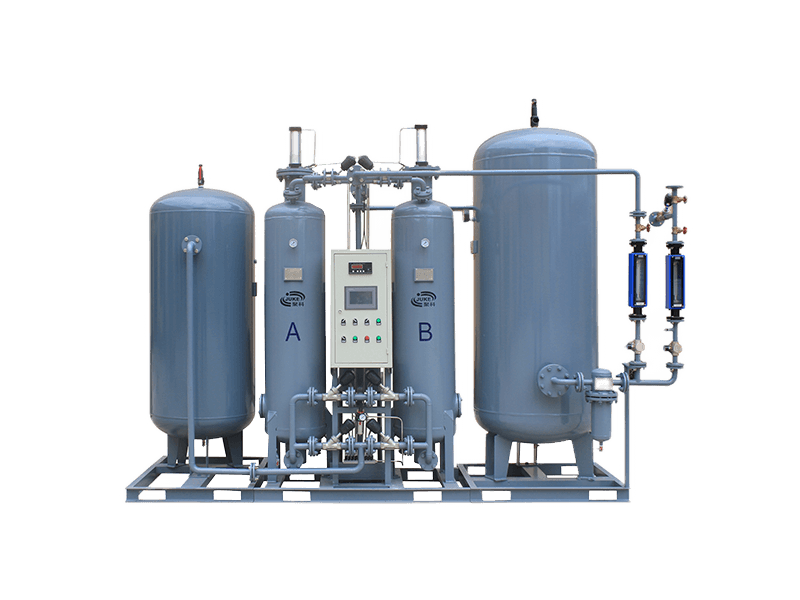
Understanding Medical Oxygen Concentrators
Medical oxygen concentrators, often referred to as oxygen machines, are a game-changer in the world of healthcare. They provide a reliable source of oxygen by extracting it from the surrounding air, making them essential in numerous medical scenarios. But what exactly are the applications of these devices? Let's dive in!
Home Healthcare: A Breath of Fresh Air
For many patients with chronic respiratory conditions, such as COPD or asthma, the comfort of home is paramount. Medical oxygen concentrators allow these individuals to manage their oxygen needs without frequent hospital visits. Imagine a patient sitting in their cozy living room, enjoying their favorite book, while their oxygen concentrator quietly delivers the oxygen they need. It's a win-win situation!
Emergency Situations: Swift Response
In emergencies, every second counts. Medical oxygen machines can be crucial in ambulances and emergency rooms. They provide immediate oxygen support to patients in distress, ensuring that help is on the way. Picture this: a paramedic swiftly setting up an oxygen machine, stabilizing a patient, and allowing them to breathe easier while en route to a medical facility. Talk about peace of mind!
Hospitals: Supporting Intensive Care
In intensive care units, patients often require a higher concentration of oxygen. Medical oxygen concentrators are integrated into the healthcare system, providing vital support to those battling severe illnesses. These machines can be adjusted to deliver the precise amount of oxygen needed, ensuring that patients receive tailored care. It's like having a personal assistant for breathing!
Traveling with Oxygen: No More Boundaries
For those who love to travel but rely on oxygen therapy, modern concentrators are portable and user-friendly. Whether it's a road trip or a flight, these devices allow individuals to maintain their oxygen levels on the go. Just imagine zipping around the globe, exploring new places, all while having the necessary oxygen at hand. Now that's living life to the fullest!
Conclusion: The Future of Respiratory Care
Medical oxygen concentrators are revolutionizing the way we approach respiratory care. Their versatility across various applications—from home healthcare to emergency services—ensures that patients receive the support they need. As technology advances, we can only expect these machines to become even more efficient and user-friendly. So, here's to a future where breathing easy is just a machine away!
Other areas
Oil storage and pressurized pipeline cleaning and purging of oil and gas wells, nitrogen sealing, nitrogen displacement, solvent recovery.
Used for food preservation and grain storage, pest control, food drying and sterilization, quick freezing of food, etc.
Provide the necessary gas raw materials for the preparation of new energy materials, battery production, and create an inert gas environment.
Ensure the manufacturing of electronic components and the stable operation of equipment, providing gas support for maintenance, combustion assistance, cooling, and other aspects related to thermal power generation equipment.
Nitrogen generator: Prevents oxidation, inhibits bacterial growth, and produces odors in biopharmaceuticals, providing protection throughout the process. Oxygen generator: Provides an oxygen-rich environment.
When signs of fire occur in the goaf or other locations, nitrogen injection is needed for fire prevention. The nitrogen device is lowered into the mine. It is used for annealing protective gas and sintering.
Used in the aerospace composite field, providing the necessary inert atmosphere for the molding and reinforcement processes of large carbon fiber composite wings.
Provide protection for the safety of oil and gas reserves, prevent oxidation, nitrogen sealing, and ensure dust suppression, fire prevention, and nitrogen sealing for coal reserves.