

The Inner Workings of Oxygen Generators: A Deep Dive
Explore the fascinating principles behind industrial oxygen generators and their applications.
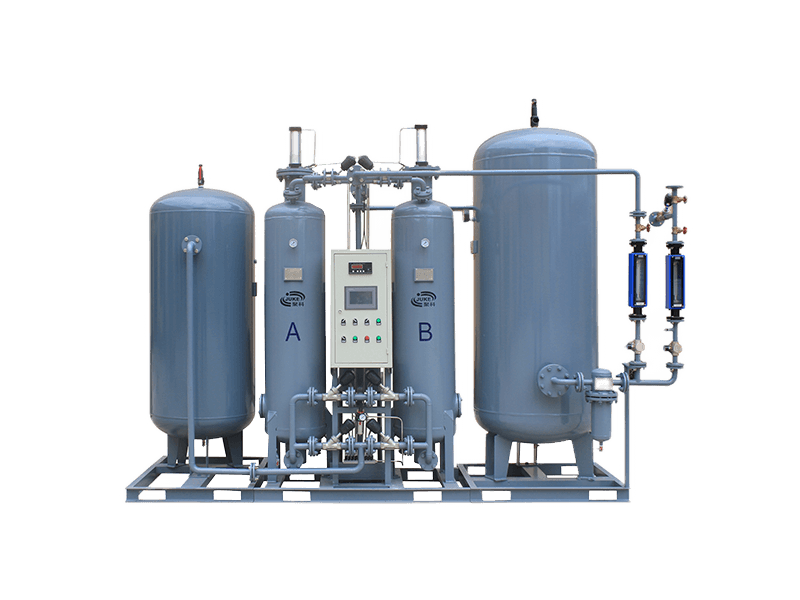
Understanding Oxygen Generators
Ever wondered how industries manage to produce oxygen on such a large scale? Buckle up, because we're diving into the heart of industrial oxygen generators and how they operate! These machines, known for their efficiency and reliability, play a crucial role in various sectors, from healthcare to manufacturing.
How Do They Work?
At the core of an industrial oxygen generator lies a process known as pressure swing adsorption (PSA). Sounds complicated, right? But it's quite straightforward when you break it down. Essentially, this technology uses a special material called zeolite to separate oxygen from nitrogen in the air. Who knew air could be so complex?
The Process in Action
Here's how it goes down: air is drawn into the generator and compressed. This compressed air then flows through a zeolite bed, which selectively adsorbs nitrogen. As a result, pure oxygen is left behind. This process is conducted in cycles, allowing for continuous production. Pretty nifty, huh?
Applications Across Industries
Oxygen generators are versatile machines. In healthcare, they provide patients with the oxygen they need to breathe easily. In the manufacturing sector, they enhance combustion processes, leading to greater efficiency. Even in aquaculture, they're vital for maintaining the health of aquatic life. Talk about multifunctional!
Why Choose an Oxygen Generator?
There's no doubt that these generators have become a game changer. They are cost-effective, easy to maintain, and provide a steady supply of oxygen. Plus, they reduce the need for large oxygen tanks, which can be hazardous and require special handling. It's a win-win situation!
Future of Industrial Oxygen Generation
As technology continues to evolve, so do oxygen generators. Innovations in materials and processes promise to enhance efficiency and reduce energy consumption. Who knows? The next big breakthrough might just be around the corner, making these machines even more indispensable.
Conclusion
In a nutshell, industrial oxygen generators are remarkable devices that have transformed how we produce and utilize oxygen. Their operation, while technical, is fascinating and showcases the ingenuity of modern engineering. Whether in a hospital or a factory, these machines are working behind the scenes to ensure that we have the oxygen we need to thrive.
Other areas
Oil storage and pressurized pipeline cleaning and purging of oil and gas wells, nitrogen sealing, nitrogen displacement, solvent recovery.
Used for food preservation and grain storage, pest control, food drying and sterilization, quick freezing of food, etc.
Provide the necessary gas raw materials for the preparation of new energy materials, battery production, and create an inert gas environment.
Ensure the manufacturing of electronic components and the stable operation of equipment, providing gas support for maintenance, combustion assistance, cooling, and other aspects related to thermal power generation equipment.
Nitrogen generator: Prevents oxidation, inhibits bacterial growth, and produces odors in biopharmaceuticals, providing protection throughout the process. Oxygen generator: Provides an oxygen-rich environment.
When signs of fire occur in the goaf or other locations, nitrogen injection is needed for fire prevention. The nitrogen device is lowered into the mine. It is used for annealing protective gas and sintering.
Used in the aerospace composite field, providing the necessary inert atmosphere for the molding and reinforcement processes of large carbon fiber composite wings.
Provide protection for the safety of oil and gas reserves, prevent oxidation, nitrogen sealing, and ensure dust suppression, fire prevention, and nitrogen sealing for coal reserves.