

A New Path for Green Grain Storage—The Core Application of Nitrogen in Grain Reserves
Grain reserves are a crucial component in ensuring food security. How to effectively preserve grain quality and prevent grain loss during long-term storage is the central challenge in grain-reserve management. As one of the core technologies in modern, eco-friendly grain storage, nitrogen-based grain storage—thanks to its safety, efficiency, and environmental friendliness—is widely used in various grain-storage scenarios. Its primary function is to create a low-oxygen environment, thereby enabling the safe and long-term preservation of grains.
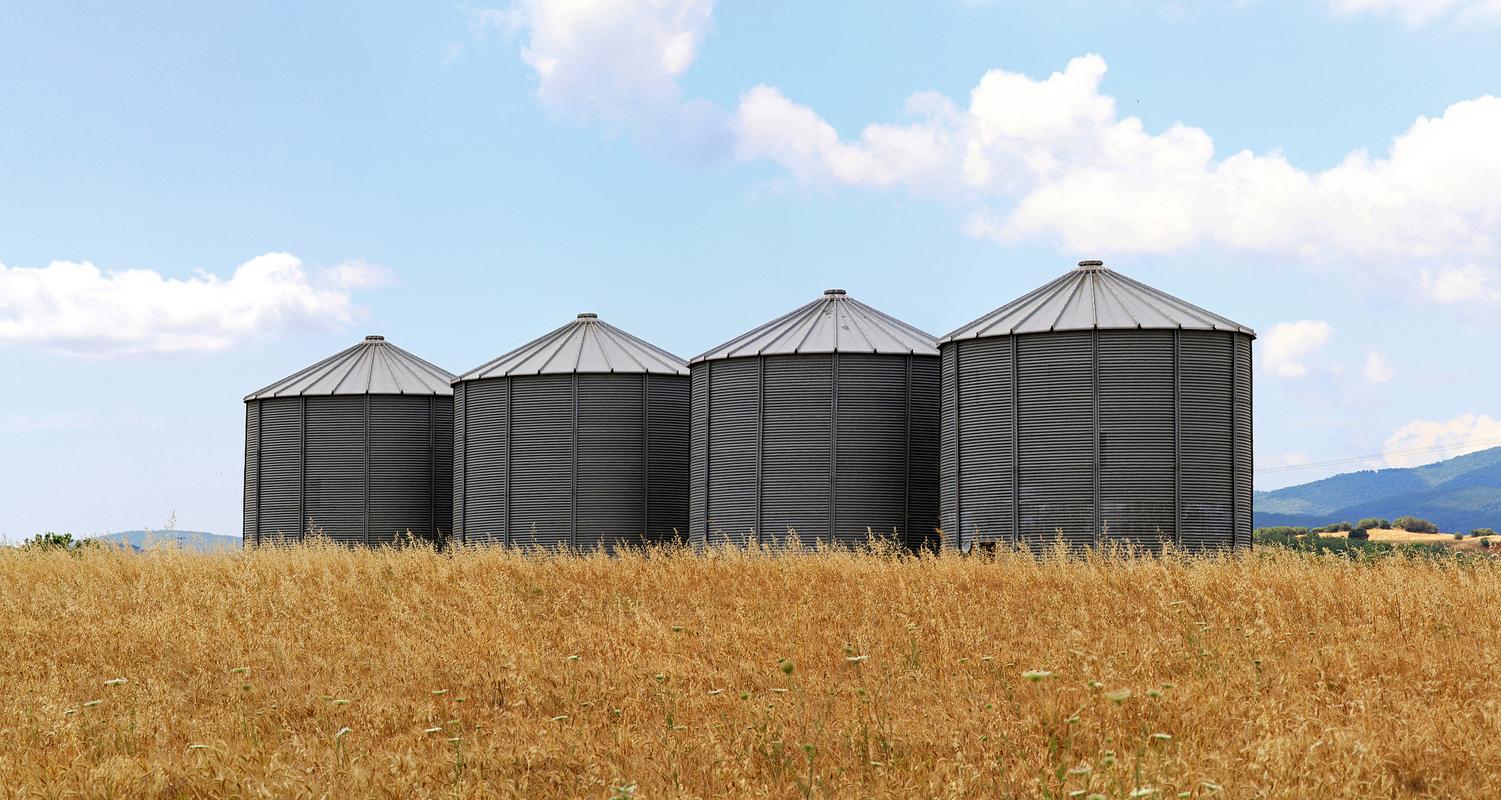
Grain reserves are a crucial component in ensuring food security. How to effectively preserve grain quality and prevent grain loss during long-term storage is the central challenge in grain-reserve management. As one of the core technologies in modern, eco-friendly grain storage, nitrogen-based grain storage—thanks to its safety, efficiency, and environmental friendliness—is widely used in various grain-storage scenarios. Its primary function is to create a low-oxygen environment, thereby enabling the safe and long-term preservation of grains.
The core principle of nitrogen-based grain storage is to fill a sealed grain silo with high-purity nitrogen gas. By displacing the oxygen inside the silo, the oxygen concentration is reduced to below 3%, creating an inert environment that is unfavorable for the survival of harmful organisms, thereby protecting the grain. This technology represents a physical method of grain storage that does not require the use of chemical agents, fundamentally eliminating the risk of chemical residues affecting grain quality and aligning with modern requirements for food safety and environmental protection.
I. Physical pest control ensures food hygiene and safety.
During grain storage, various storage pests such as rice weevils, grain moths, and corn weevils—and their eggs—are aerobic organisms whose survival and reproduction depend on sufficient oxygen. When the oxygen concentration inside a grain warehouse drops below 3%, these pests and their eggs will suffocate due to oxygen deprivation. After about 28 days of treatment, this method can completely eliminate the pests. Compared with traditional chemical fumigation methods, nitrogen-based pest control does not require any chemical agents, leaving no pesticide residues and causing no environmental pollution. It effectively eliminates pests while ensuring the food safety of grains, making it suitable for the storage of all types of edible grains and seed grains.
2. Inhibit mold growth and prevent grain from becoming moldy.
The growth and reproduction of molds—including mycotoxin-producing molds such as Aspergillus flavus—also require oxygen. A low-oxygen environment can effectively inhibit mold activity and prevent its growth and spread. During grain storage, mold proliferation can cause grains to heat up and become moldy, leading not only to grain losses but also potentially producing mycotoxins that pose health risks to humans. Nitrogen-based grain storage, by suppressing mold growth, can effectively prevent grain moldiness and toxin formation. At the same time, it reduces the accumulation of moisture and heat within the grain pile, thereby preventing issues such as localized condensation and grain spoilage, and ensuring the quality of stored grain.
3. Delay grain aging and maintain grain quality.
During storage, grains undergo natural respiration, during which they consume their own nutrients such as starch, fat, and protein, leading to grain aging. This manifests as darkening of color, deterioration of taste, loss of nutritional value, and even the loss of edible or seed-worthy qualities. Nitrogen-based grain storage can significantly inhibit grain respiration, putting the grains into a state similar to dormancy, thereby reducing nutrient consumption and slowing down the rise in fatty acid values. As a result, this method effectively preserves the original color, taste, and nutritional content of the grains, extending their safe storage period—making it particularly suitable for long-term strategic grain reserves.
4. Stabilize the temperature of grain piles to reduce storage risks.
Grain respiration generates heat. If this heat cannot dissipate in a timely manner, it will cause the temperature of the grain pile to rise, leading to a cascade of problems such as condensation, mold growth, and insect infestations. Nitrogen storage of grain effectively reduces metabolic heat production in the grain pile by inhibiting grain respiration and the activity of harmful organisms. Combined with grain-storage temperature-control technologies, this approach can minimize fluctuations in grain temperature, maintain stable grain-pile temperatures, further reduce various risks during grain storage, and ensure the safety of grain storage.
Compared to traditional grain-storage methods, nitrogen-based grain storage offers significant technological advantages. First, it is green and safe—employing a purely physical process with no chemical residues, thus aligning with modern demands for food security and environmentally friendly development. Second, it provides long-term stability: after a single nitrogen filling, under tightly sealed warehouse conditions, a low-oxygen environment can be maintained for several months to several years, making it ideal for long-term strategic grain reserves. Third, it has broad applicability—it can be used for various major grain types, including rice, wheat, corn, and soybeans, without being limited by grain variety or storage scale.
With the continuous advancement of grain storage technology, nitrogen-based grain storage—being a green, efficient, and safe method—has been playing an increasingly important role in ensuring food security, reducing grain losses, and improving grain quality, thus becoming one of the indispensable core technologies in modern grain storage systems.
Other areas
Oil storage and pressurized pipeline cleaning and purging of oil and gas wells, nitrogen sealing, nitrogen displacement, solvent recovery.
Used for food preservation and grain storage, pest control, food drying and sterilization, quick freezing of food, etc.
Provide the necessary gas raw materials for the preparation of new energy materials, battery production, and create an inert gas environment.
Ensure the manufacturing of electronic components and the stable operation of equipment, providing gas support for maintenance, combustion assistance, cooling, and other aspects related to thermal power generation equipment.
Nitrogen generator: Prevents oxidation, inhibits bacterial growth, and produces odors in biopharmaceuticals, providing protection throughout the process. Oxygen generator: Provides an oxygen-rich environment.
When signs of fire occur in the goaf or other locations, nitrogen injection is needed for fire prevention. The nitrogen device is lowered into the mine. It is used for annealing protective gas and sintering.
Used in the aerospace composite field, providing the necessary inert atmosphere for the molding and reinforcement processes of large carbon fiber composite wings.
Provide protection for the safety of oil and gas reserves, prevent oxidation, nitrogen sealing, and ensure dust suppression, fire prevention, and nitrogen sealing for coal reserves.