

The nitrogen generator provides nitrogen support for ampoule sealing.
In the pharmaceutical manufacturing field, ampoule sealing is a crucial step in ensuring drug quality and safety. Did you know that behind the seemingly simple ampoule sealing process lie numerous challenges to overcome, and a nitrogen generator plays an indispensable role in this process?
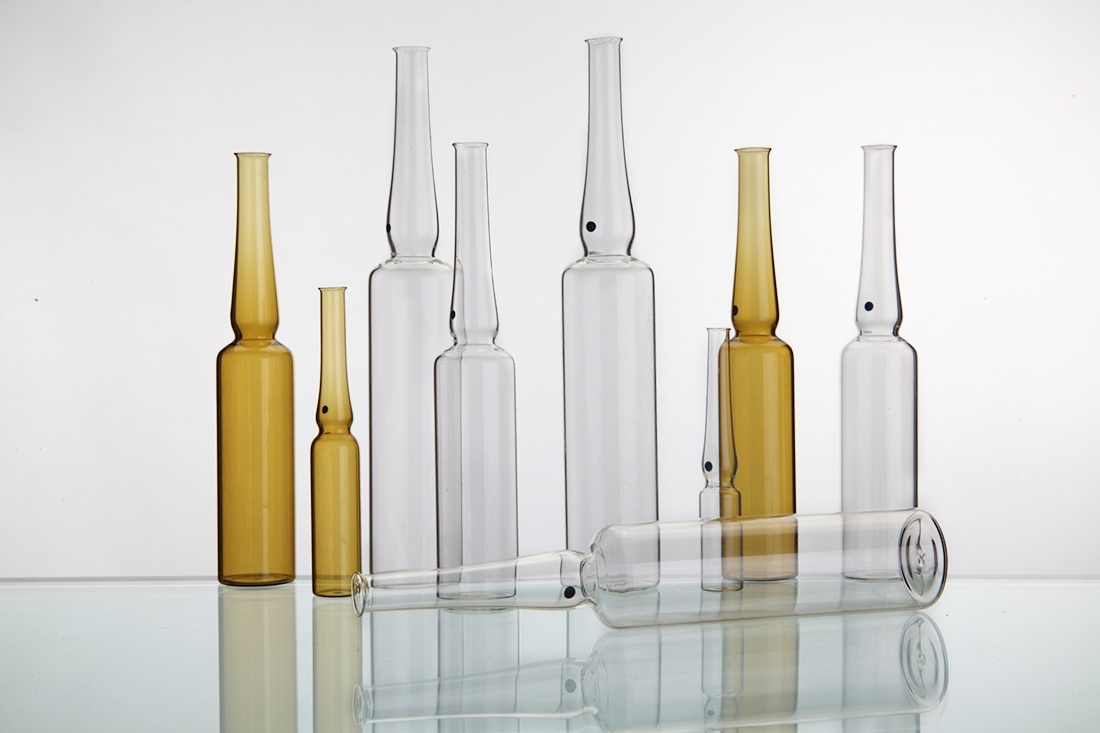
In pharmaceutical manufacturing, ampoule sealing is a crucial step in ensuring drug quality and safety. Did you know that behind the seemingly simple ampoule sealing process lie numerous challenges, and the nitrogen generator plays an indispensable role? Juko Air Separation will take you through the application scenarios of nitrogen generators in ampoule sealing.
Challenges in Ampoule Sealing: The "Threat" of Oxygen
Ampoules are commonly used to contain injectables, vaccines, and other pharmaceuticals. The quality of their sealing directly affects the stability and shelf life of the drug. However, during the sealing process, the presence of oxygen is like a "time bomb." Oxygen, with its strong oxidizing properties, readily reacts with the active ingredients in the drug, causing deterioration, loss of efficacy, and even the production of harmful substances. For example, some oxidation-sensitive drugs, such as vitamin C injection, will gradually turn yellow and lose their efficacy if oxygen is not effectively removed during sealing. Relevant studies show that when the oxygen concentration in an ampoule exceeds a certain threshold, the shelf life of the drug is significantly shortened, which is extremely detrimental to drug storage and transportation.
Nitrogen Generator "Enters the Stage": Principles and Advantages
As a device capable of efficiently producing high-purity nitrogen, the nitrogen generator becomes the "savior" in solving the above problems. Currently, the more widely used nitrogen generators in industry are Pressure Swing Adsorption (PSA) and membrane air separation. Taking a PSA nitrogen generator as an example, it uses air as a raw material and utilizes the selective adsorption characteristics of carbon molecular sieves on oxygen and nitrogen to achieve nitrogen-oxygen separation at room temperature through pressure swing adsorption. When air passes through the carbon molecular sieve adsorption tower under pressure, oxygen is preferentially adsorbed by the molecular sieve, while nitrogen passes through the adsorption tower as the product gas output. When the adsorption tower reaches adsorption saturation, the pressure is reduced to desorb and regenerate the molecular sieve, thus achieving continuous nitrogen production.
Nitrogen generators have many advantages. First, the gas production speed is fast; usually, qualified nitrogen can be produced in 15-30 minutes to meet the rapid demand of the ampoule sealing production line. Second, the equipment has a small footprint, a compact structure, and can be skid-mounted, making it very friendly to pharmaceutical factory production workshops with limited space. Furthermore, the operating cost is relatively low; it mainly consumes the electricity of the air compressor. Compared with traditional cryogenic air separation nitrogen generation methods, energy consumption is greatly reduced. Moreover, nitrogen generators have a high degree of automation. Through imported PLC, fully automatic operation can be achieved. The flow rate, pressure, and purity of nitrogen are adjustable and continuously displayed, and unattended operation is even possible, greatly improving production efficiency and stability.
Application "Secrets" of Nitrogen Generators in Ampoule Sealing
In the ampoule sealing process, the nitrogen generator mainly plays a role in two key stages: pre-nitrogen purging and post-nitrogen purging.
Pre-nitrogen purging involves filling the ampoule with high-purity nitrogen before the liquid is filled to displace the air inside the bottle and significantly reduce the oxygen concentration. Generally, through efficient pre-nitrogen purging, the oxygen concentration in the ampoule can be reduced to below 0.5%, creating a nearly oxygen-free "safe environment" for the subsequent filling of the liquid. For example, on the ampoule sealing line of a well-known vaccine manufacturer, the use of a nitrogen generator for pre-nitrogen purging effectively prevents the oxidation of active ingredients in the vaccine during filling, ensuring vaccine quality and immunogenicity.
Post-nitrogen purging involves filling the ampoule with nitrogen again after the liquid is filled and before sealing. This step is crucial; it not only further removes any small amount of oxygen that may remain in the bottle but also creates a positive pressure environment at the moment of sealing to prevent outside air from entering the bottle. It also helps reduce possible tiny bubbles in the bottle, making the seal more perfect. For some high-end injectable drugs, the requirements for post-nitrogen purging are extremely stringent, and the stable nitrogen supply from the nitrogen generator provides strong support.
Actual Case Studies: The Outstanding Performance of Nitrogen Generators
A large pharmaceutical company, when producing an injectable, faced the problem of the drug easily darkening and losing efficacy during storage. After in-depth analysis, it was found that this was due to oxygen residue in the ampoule sealing process. Therefore, the company introduced advanced nitrogen generator equipment and optimized the ampoule sealing process. After using a nitrogen generator for pre-nitrogen purging and post-nitrogen purging, the oxygen concentration in the ampoule was successfully controlled within 0.3%. After long-term stability tests and market feedback, the shelf life of the drug was extended from the original 12 months to 24 months, product quality was significantly improved, and market competitiveness was greatly enhanced.
The application of nitrogen generators in the field of ampoule sealing safeguards drug quality and effectively addresses the threat of oxygen to drug stability. As the pharmaceutical industry's demand for drug quality continues to increase, the application prospects of nitrogen generators will be even broader.
Other areas
Oil storage and pressurized pipeline cleaning and purging of oil and gas wells, nitrogen sealing, nitrogen displacement, solvent recovery.
Used for food preservation and grain storage, pest control, food drying and sterilization, quick freezing of food, etc.
Provide the necessary gas raw materials for the preparation of new energy materials, battery production, and create an inert gas environment.
Ensure the manufacturing of electronic components and the stable operation of equipment, providing gas support for maintenance, combustion assistance, cooling, and other aspects related to thermal power generation equipment.
Nitrogen generator: Prevents oxidation, inhibits bacterial growth, and produces odors in biopharmaceuticals, providing protection throughout the process. Oxygen generator: Provides an oxygen-rich environment.
When signs of fire occur in the goaf or other locations, nitrogen injection is needed for fire prevention. The nitrogen device is lowered into the mine. It is used for annealing protective gas and sintering.
Used in the aerospace composite field, providing the necessary inert atmosphere for the molding and reinforcement processes of large carbon fiber composite wings.
Provide protection for the safety of oil and gas reserves, prevent oxidation, nitrogen sealing, and ensure dust suppression, fire prevention, and nitrogen sealing for coal reserves.